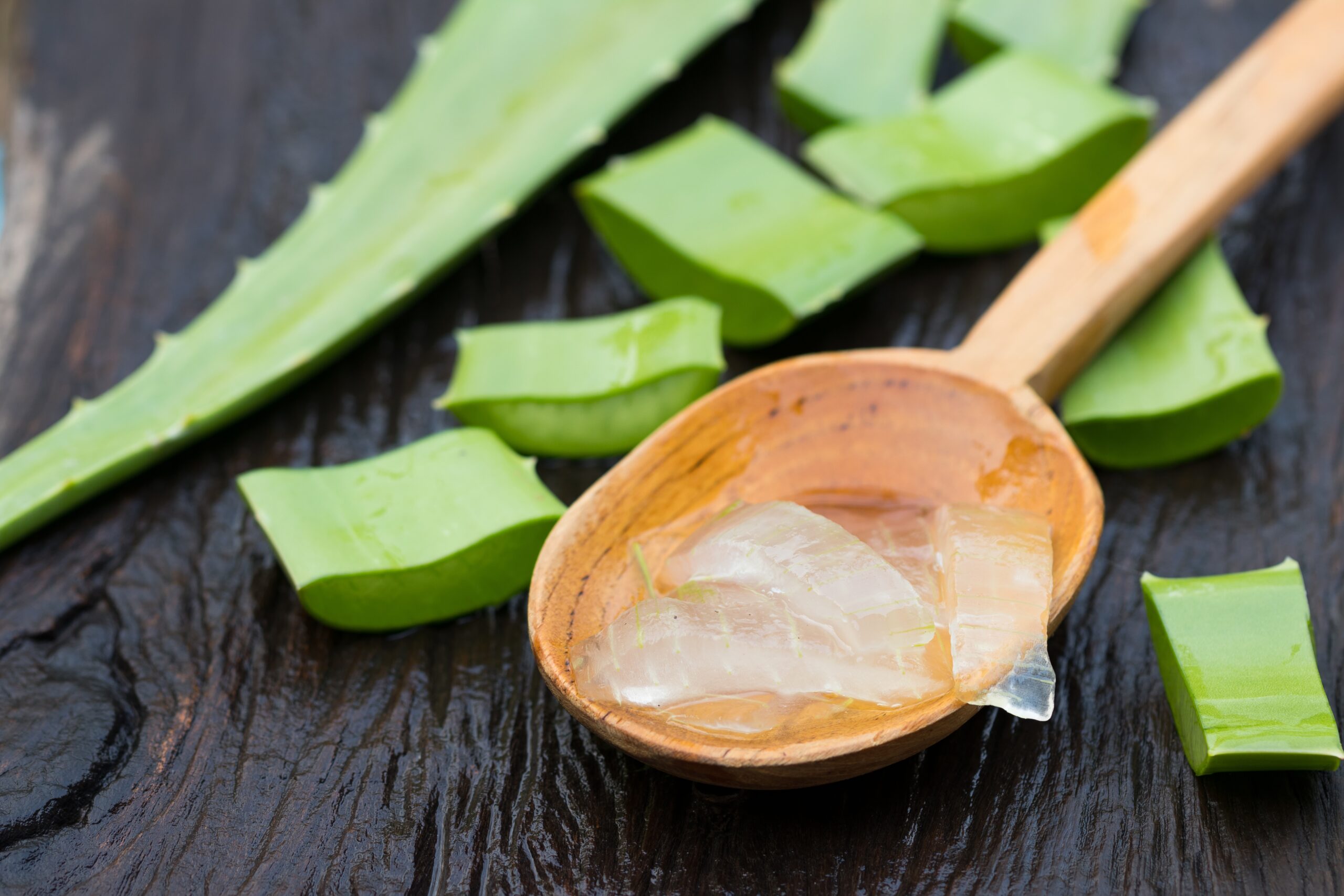
Aloe vera might look like a simple plant, but it can quietly transform your skin. If you’ve ever struggled with dryness, dullness, or sudden breakouts, this powerful natural gel can feel like a gentle reset button.
Using it sounds simple, but here’s the truth—most people use it the wrong way and never see real results.
If your skin still feels dull, dry, or acne-prone even after using aloe vera, you’re probably missing a few small but powerful steps.
The good news? After correcting these, aloe vera can give clearer, calmer, naturally glowing skin—without costly products.
Surprisingly, results often fail due to incorrect use and inconsistency.
Here’s what actually works.
Table of Contents
What “Best Results” Really Mean for Your Skin

Also Read : Heart Health
Also Read : 19 Powerful Ayurvedic Herbs
Quick Answer for Healthy Skin
Aloe vera for skin helps hydrate, soothe irritation, and support skin healing when used consistently.
It helps with:
- Hydration
- Redness reduction
- Acne support
- Skin repair
Best way to use it:
- Lightly apply a thin layer of fresh aloe gel
- Allow it to rest for 15–20 minutes or keep it overnight
- Use 3–4 times a week
Dermatologists often highlight that aloe vera contains antioxidants and anti-inflammatory compounds that support skin repair. Because of this, people use it widely in both natural and clinical skincare routines.
Some small studies and real-world use suggest that its anti-inflammatory properties may help calm irritated skin over time.
While aloe vera is generally safe, results may vary depending on individual skin type and conditions.
Quick Tip:
Apply a thin layer on clean skin, leave for 15–20 minutes, and use consistently 3–4 times a week for best results.
Also Read : Best Protein Options for Vegetarians
Why This Natural Gel Works So Well for Your Skin
In simple terms, it’s not magic, but it works in a very smart way.
Inside the gel, you get:
Because of this mix, your skin doesn’t just feel better—it slowly improves.
For example, if your skin feels tight after washing, aloe vera helps restore moisture fast. At the same time, it doesn’t clog pores, which makes it perfect for oily skin too.
Also Read : Vitamin Balance
Real Skin Benefits You Can Actually Notice
Now, let’s look at what you can actually notice in real life:
1. Instant Hydration Without Greasiness
Also Read : Vitamin B12
2. Calms Irritation and Redness
Also Read : Cholesterol
3. Helps with Acne and Breakouts
If you deal with pimples, aloe vera can help in a gentle way, it:
- Reduces redness
- Supports healing
- Keeps skin clean
However, it won’t act like a harsh chemical. It works slowly but safely.
4. Supports Natural Glow
Also Read : Hormonal Imbalance
Also Read : Calcium Deficiency
How to Use Aloe Vera for Face (Simple Methods)
If you’re wondering how to use aloe vera on face daily, keep it simple. Consistency matters more than overuse. You don’t need complex routines. Start simple.
1. Use Fresh Aloe Gel
Also Read : Diabetes Joy
2. Mix with Honey for Dry Skin
If your skin feels dry, mix aloe vera with a little honey. This adds extra moisture and softness.
3. Use as a Light Moisturizer
You can also use it alone as a daily moisturizer. It works best in hot weather when heavy creams feel uncomfortable.
Also Read : Trans Fat Myths
Aloe Vera Benefits for Skin in Daily Routine
Aloe vera for glowing skin and acne care is one of the most searched natural remedies today.
When used the right way, it can help reduce breakouts and improve natural glow. Consistency matters more than anything. In fact, your skin responds better to regular care than occasional use.
With regular use:
- Your skin feels softer
- Redness reduces over time
- Texture improves slowly
For example, many people notice changes in 1–2 weeks, while deeper improvements take more time.
So, patience is key.
In real-life use, you may notice that aloe vera gives better results when applied consistently rather than occasionally.
Also Read : Iron Deficiency
Also Read : Migraine
Common Mistakes People Make with Aloe Vera
However, even natural remedies can go wrong if used incorrectly.
Using Too Much
A thick layer doesn’t mean better results. It may feel sticky.
👉 Use a thin layer instead.
Also Read : Nutrition
Skipping Patch Test
Some people may react to fresh aloe vera.
👉 Do a patch test on a small area before full use.
Expecting Instant Results
Aloe vera works gently, not instantly.
👉 Give it time.
Also Read : Gut Bacteria
Advanced Aloe Vera Tips for Faster Results
If you want better results, small tweaks can make a big difference:
- Apply aloe vera on slightly damp skin for better absorption
- Use it at night so your skin repairs while you sleep
- Combine it with a few drops of vitamin E for extra nourishment
A common mistake is using aloe vera inconsistently.
Skin responds to consistency, not occasional effort. Even great natural remedies fail without regular use.
Also Read : Intermittent Fasting
Also Read : How to Improve Your Focus & Memory
Aloe Vera and Other Natural Skin Care Habits
Aloe vera works best when combined with simple habits.
For example:
Following simple morning rituals and maintaining a daily routine helps you stay consistent with skincare, which is often the real reason people see long-term results.
In the same way, simple practices like meditation for mental clarity reduce stress, which often triggers acne and dullness.
Over time, building a growth mindset for self-improvement improves consistency in healthy habits and helps you stay patient and consistent—two things that matter more than any product.
Also Read : How to Improve Your Five Senses
How It Works for Different Skin Types
Oily Skin
Aloe vera controls excess oil without drying your skin.
Dry Skin
Mix it with natural oils or honey for better hydration.
Sensitive Skin
It feels soothing for most people, but you should always patch test first.
Also Read : Why Boredom is Important
Quick Summary – What Actually Works
If you feel confused, keep it simple:
- Use fresh aloe vera 3–4 times a week
- Apply a thin layer
- Stay consistent
- Don’t expect overnight miracles
This simple routine works better than complicated ones.
Also Read : Biohacking
Also Read : 23 Superfoods
FAQs
Is it safe to apply aloe vera on your face daily?
Yes, you can use aloe vera daily if your skin feels comfortable. Start slow and observe.
Can aloe vera gradually fade acne scars?
Aloe vera can slowly fade marks, but results take time.
Can aloe vera improve your skin’s natural glow?
Can aloe vera replace moisturizer?
For oily skin, yes—it may be enough. For dry skin, you may need additional moisture.
How long does aloe vera take to show results on skin?
Many people feel improved hydration within a few days. However, acne and skin texture improvements may take 1–2 weeks with regular use.
Can aloe vera remove dark spots naturally?
Aloe vera may help fade dark spots slowly by supporting skin repair. However, results depend on consistency and skin type.
Also Read : Mindful Tech Use
Final Thoughts
Aloe vera is simple, gentle, and surprisingly powerful. There’s no need to make your skincare routine complicated.
Start small. Stay consistent. Let your skin adjust naturally.
Over time, you’ll notice something interesting—your skin doesn’t just look better, it feels healthier too. And honestly, healthy skin that feels calm and natural is the real goal.
If you found this helpful, explore more simple natural skincare tips and daily routines to build a consistent, healthy glow over time.
Also Read : Anemia