
Boredom often feels uncomfortable, awkward, or even pointless. Yet that restless feeling you try to escape may be one of the healthiest signals your mind sends you. When this feeling shows up, your brain isn’t failing—you’re being invited to reset, reflect, and grow.
Instead of treating it like an enemy, it helps to understand why it exists and how it quietly protects emotional well-being.
Table of Contents
Why Your Brain Gets Bored So Easily
Your brain evolved to notice change. When nothing new happens, it loses interest fast.
Long ago, this trait helped humans survive. A quiet environment often meant safety, but staying alert pushed people to explore, prepare, and adapt. That same wiring still runs your brain today.
Now, this restless state appears when:
- Your senses receive the same input for too long
- Tasks feel predictable or meaningless
- Your mind lacks challenge or curiosity
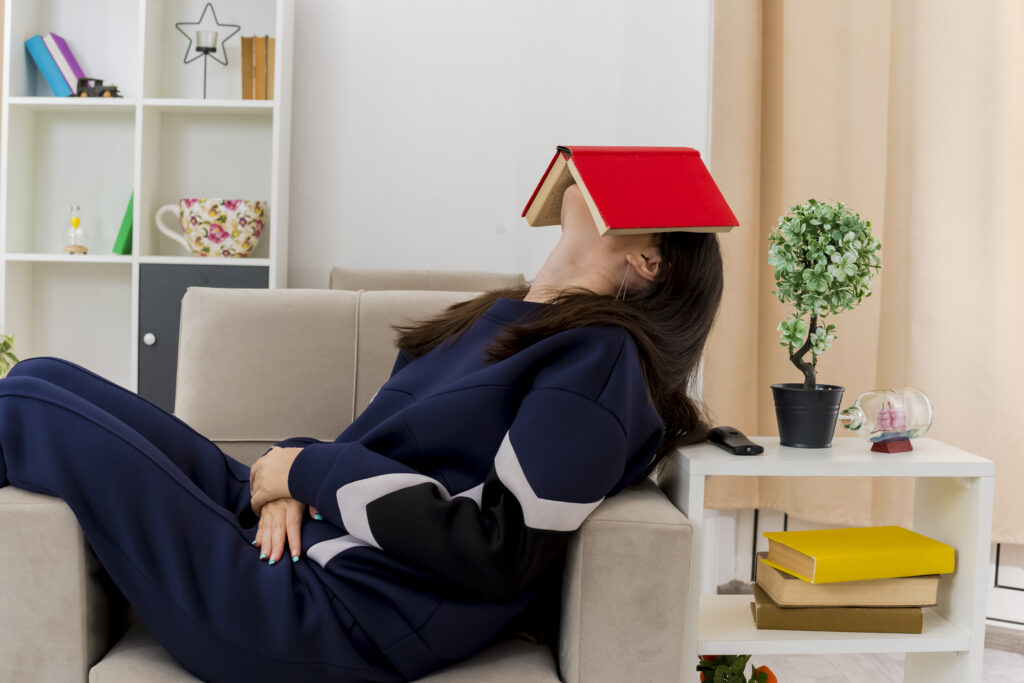
Because of this, mental restlessness is not laziness. It’s a signal saying, “I need something different.”
The Brain’s Love for Change
Your senses respond best to contrast. Loud sounds grab attention. Bright colors stand out. New ideas spark interest.
When stimulation stays the same, your brain tunes it out. This allows your mind to prioritize what deserves your attention most. Without it, your mind would feel overwhelmed all the time.
So when mental dullness appears, your brain is doing its job—filtering noise and pushing you toward novelty.
Also Read : Iron Deficiency
Also Read : Diabetes
Boredom Isn’t a Flaw—It’s a Feature
Many people believe feeling unstimulated means something is wrong. In reality, this state helps your mind conserve energy and reset itself.
Think of it like hunger. Hunger nudges you to eat. Mental restlessness nudges you to grow.
Without these quiet pauses:
- Creativity would shrink
- Motivation would fade
- Learning would slow down
Your mind needs quiet gaps to imagine new paths forward.
Also Read : Heart Health
How Mental Downtime Fuels Creativity
Some of the best ideas appear during dull moments. Long walks, silent rooms, and slow afternoons often spark insights.
When your brain isn’t busy reacting, it starts connecting dots. This mental wandering builds creativity, problem-solving, and emotional clarity.
That’s why many people find clarity while journaling, walking, or simply staring out a window.
Also Read : Joint Pain
The Problem With Escaping Boredom Too Fast
Today, mental stillness rarely lasts more than a few seconds. A phone buzzes. A video loads. A feed scrolls endlessly.
While quick relief feels good, constant stimulation creates new problems.
Each time you escape this feeling instantly:
Instead of resolving the discomfort, you bury it under noise.
Also Read : Vitamin E Wonders
Digital Stimulation and Mental Overload
Fast digital content linked to excessive screen time floods your brain with novelty. Short videos, notifications, and alerts keep your senses busy but your mind tired.
Over time, this leads to:
- Restlessness
- Mental fatigue
- Reduced focus
- Social disconnection
Ironically, too much stimulation makes boredom worse, not better.
Also Read : Vitamin D Deficiency

Also Read : Calcium Deficiency
Why Modern Life Makes Mental Rest Harder
Life today rarely slows down. Expectations stay high. Screens stay close. Silence feels strange.
Your brain, however, hasn’t evolved to handle constant input. It still needs pauses to reset.
When pauses disappear:
Mental restlessness becomes uncomfortable because your mind never gets time to rest.
Also Read : Metabolism Boost
Adaptation and the “Never Enough” Effect
Also Read : Trans Fat Myths
How Mental Pauses Support Emotional Health
When you allow mental quiet instead of escaping it, something powerful happens.
You begin to:
- Notice your thoughts
- Process emotions
- Reflect on unmet needs
This pause creates space for emotional awareness and mindfulness.
This space helps you understand:
- Why you feel restless
- What truly matters
- Where you feel disconnected
Avoiding this pause blocks that insight.
Also Read : How to Prevent from Covid & other Diseases
Finding Balance Between Stimulation and Emotional Health
Healthy boredom differs from chronic emptiness. Occasional boredom refreshes your mind. Constant numbness may signal deeper issues.
Learning to sit with boredom strengthens emotional control and long-term mental discipline. It builds emotional resilience and self-trust over time.
Also Read : Cholesterol

Also Read : How to Cure Sciatica
Healthier Ways to Respond to Boredom
Also Read : Vitamin B12
Simple Habits That Refresh Your Mind
Also Read : How to Cure Piles
Teaching Kids to Handle Unstructured Time
Also Read : Spice Secrets
Why Unstructured Time Builds Independence
Also Read : Shilajit Wonders
Finding Balance Between Stimulation and Stillness
Also Read : How to Make Herbal Tea at Home
Listening to What Your Mind Is Telling You
Sometimes mental discomfort means:
- You need rest
- You crave meaning
- Want change
When you listen instead of fleeing, the discomfort turns into guidance.
Also Read : 8 Mulethi Wonders
The Real Gift Hidden Inside Boredom
Also Read : Gut Bacteria

Also Read : Triphala Benefits
FAQs
Is boredom good or bad for mental health?
Short-term boredom supports creativity and reflection. Chronic boredom may signal deeper emotional needs.
Why does boredom feel uncomfortable?
Because your brain seeks meaning and stimulation. Discomfort pushes you to explore new paths.
Can boredom increase creativity?
Yes. Many creative insights appear during quiet, unstimulated moments.
How can I handle boredom without screens?
Also Read : How to Control Uric Acid
Final Thought
Boredom isn’t something to fix—it’s something to understand. When you stop fighting it, boredom becomes a guide instead of a burden.
Next time boredom appears, pause. Listen. Let your mind breathe.
You may discover clarity, creativity, or calm waiting beneath the silence—if you allow yourself to pause instead of escape.
Also Read : Mustard Seeds