How Long Can Cooked Food Stay in the Fridge in India? Rice, Dal, Sabzi, Roti and Leftovers
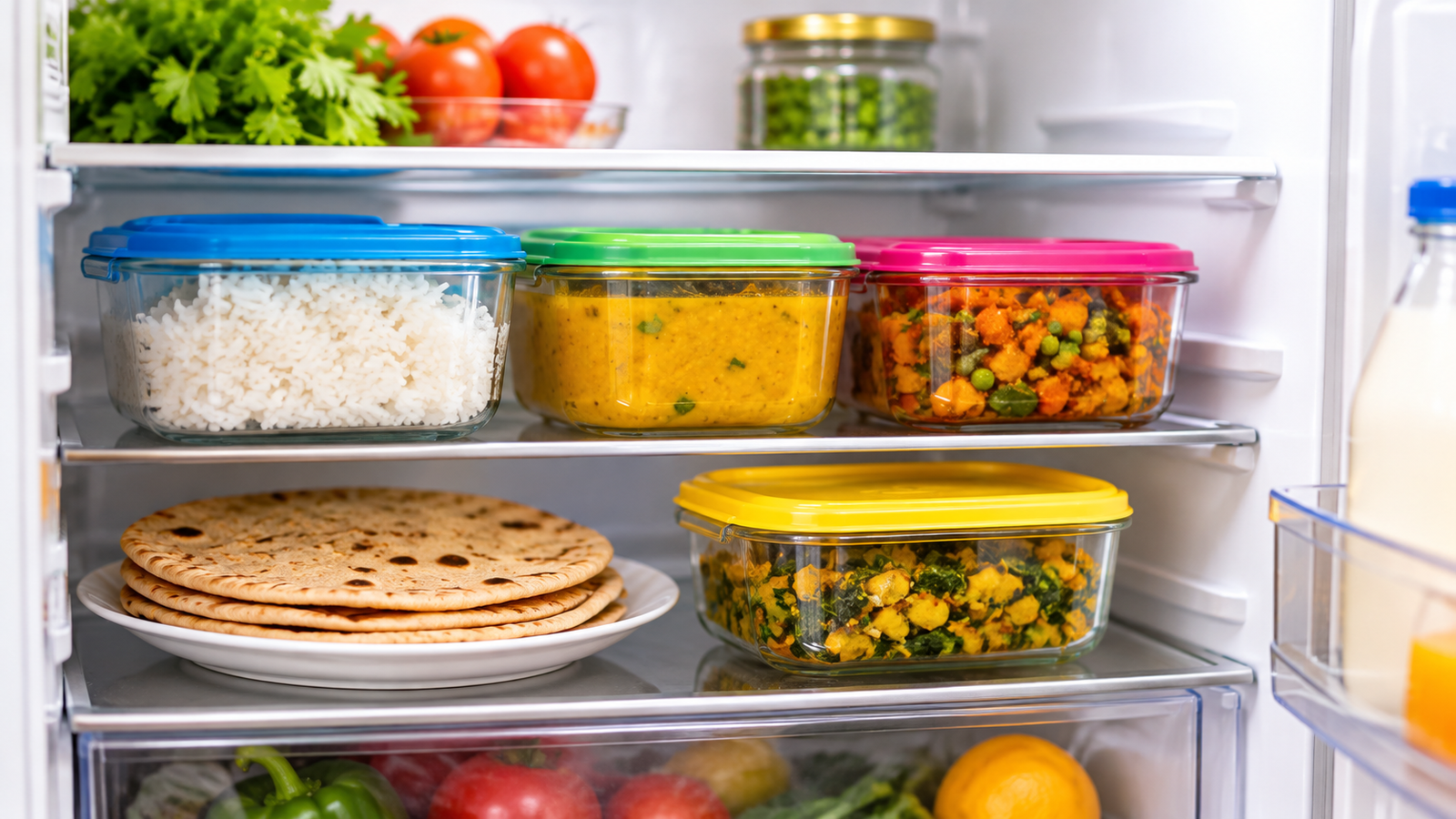
cooked food

As a conservative rule for Indian homes, refrigerate cooked food within two hours and eat most leftovers, such as dal, sabzi, rajma, chole, and curries, within 48 hours. Refrigerate within one hour when the surrounding temperature is above 32 C. Cooked rice, pulao, biryani, and other rice-based dishes are best cooled quickly and eaten within … Read more
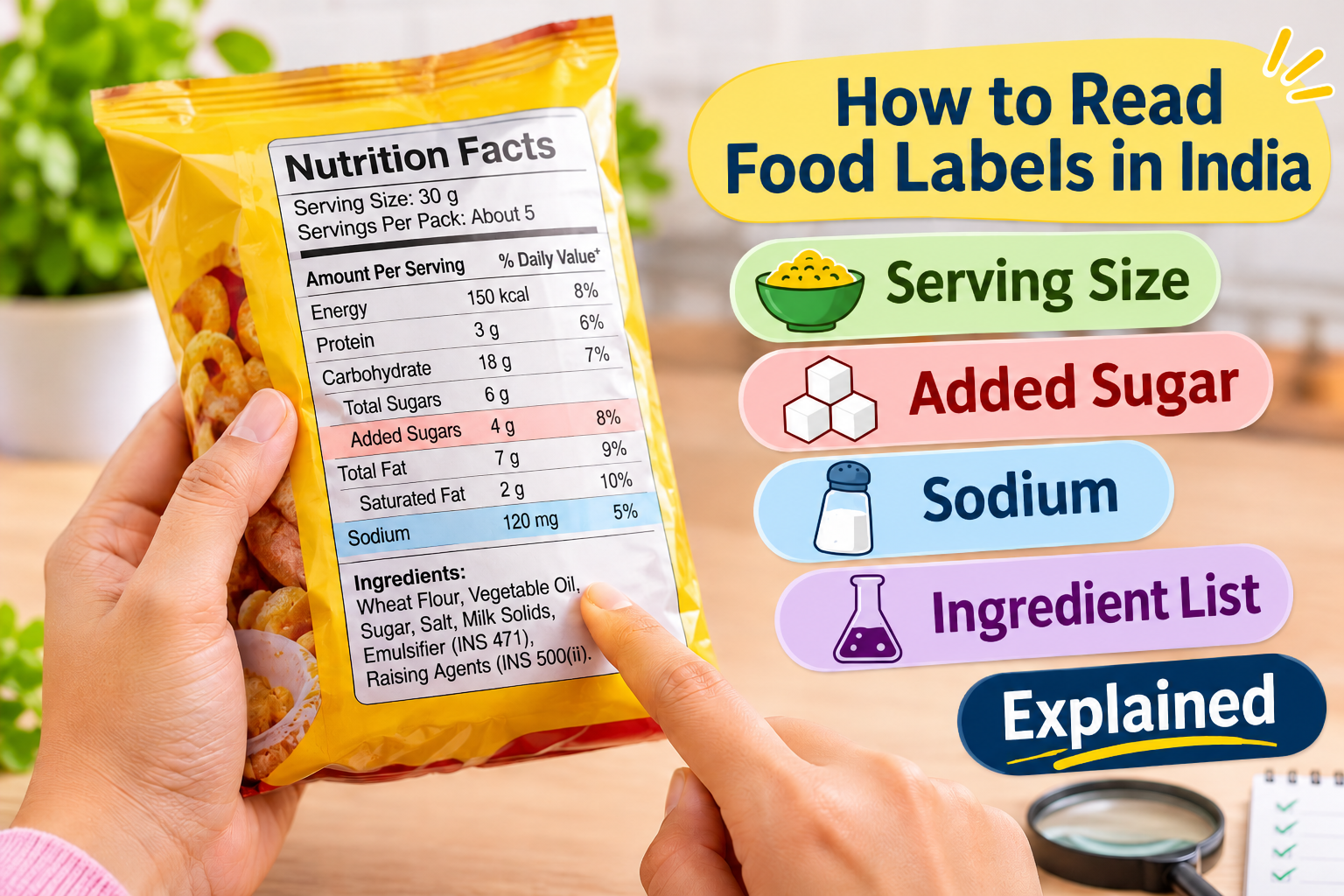
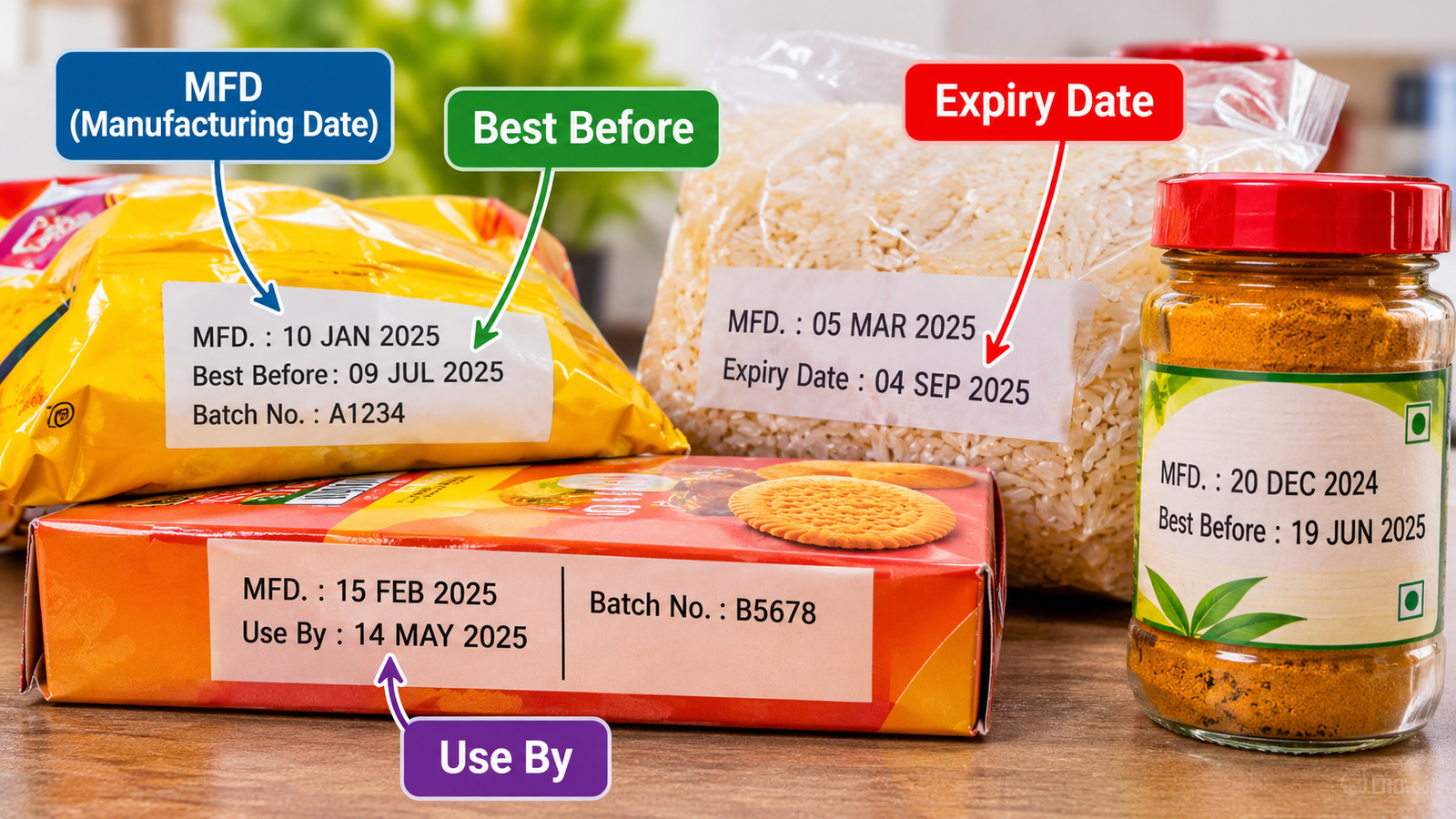
How to Read Food Labels in India: Serving Size, Added Sugar, Sodium and Ingredient List Explained

food labels

Food labels can help you compare packaged foods, but only when you read the numbers on the correct basis. Begin by checking whether the values apply to 100 g, 100 ml, one serving or the entire pack. Calculate the amount in the portion you expect to eat, and then check added sugar, sodium, saturated fat, … Read more

Home Blood Pressure Monitoring in India: Correct Method, Normal Readings and 10 Common Mistakes

home blood pressure monitoring in India

Checking blood pressure at home involves more than putting on a cuff and pressing a button. The machine, cuff size, sitting position, recent activity and even a full bladder can influence the result. For most adults, the most useful home BP number is not a single reading but an average collected under consistent conditions. The … Read more

How to Calculate Daily Calories, Protein, Carbs, Fat & Fiber by Age, Gender, Height, Weight & Activity Level

calories

Your calorie needs are not the same as someone else’s. Age, sex, height, weight, activity level, and your goal all affect how much energy you need each day. The good news is that you do not need to guess. You can estimate your daily calorie requirements with a simple BMR and TDEE calculation. Then, you … Read more

How to Meet Your Daily Protein Target on an Indian Vegetarian Diet

Protein

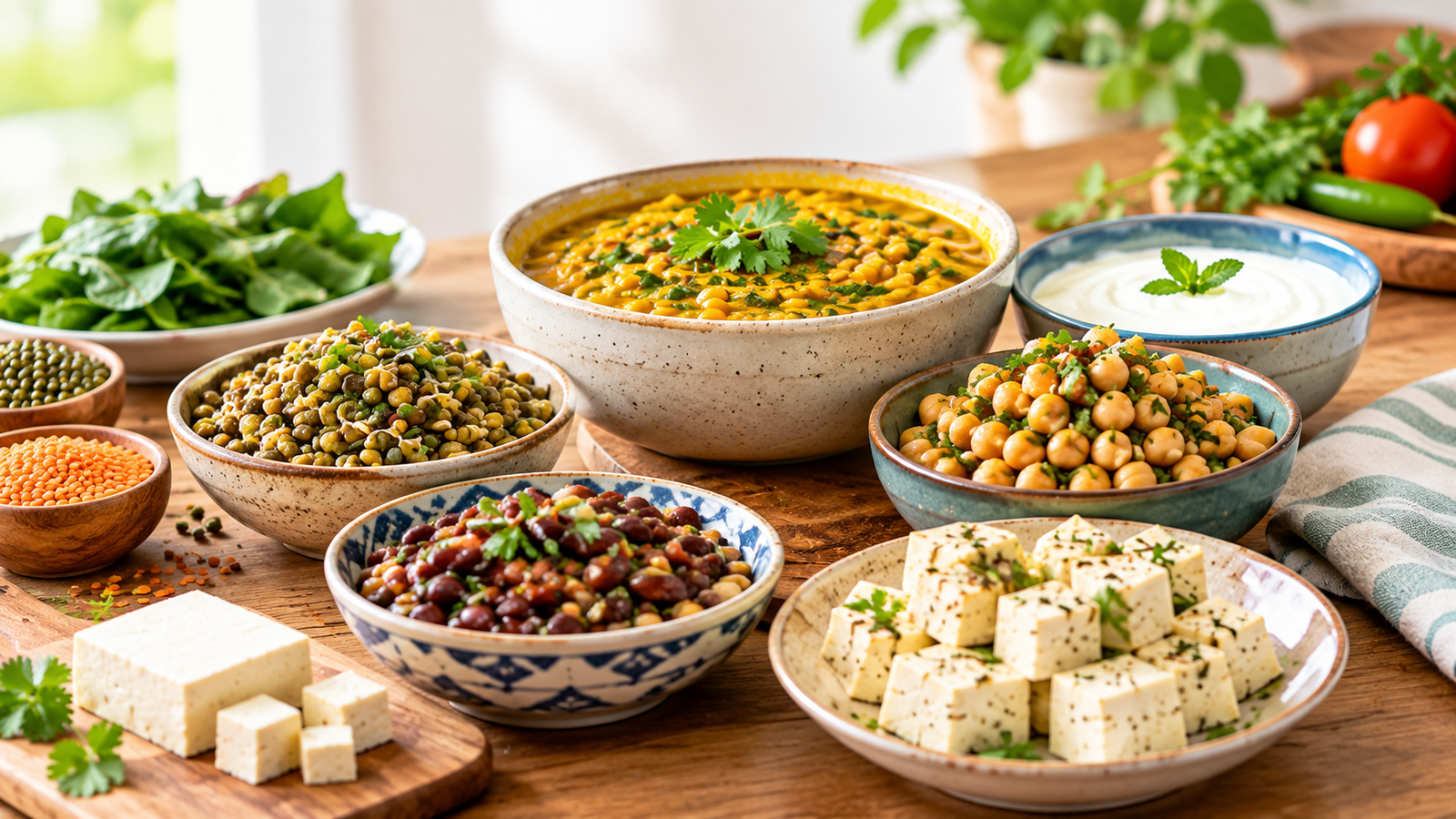
A well-planned Indian vegetarian diet can provide adequate protein through a combination of pulses, cereals, dairy or soy foods, nuts and seeds. ICMR-NIN uses 0.83 g/kg/day as the adult protein RDA under its stated high-quality-protein assumptions, while cereal-heavy lower-quality diets may need more. The practical goal is to spread meaningful protein sources across the day … Read more