
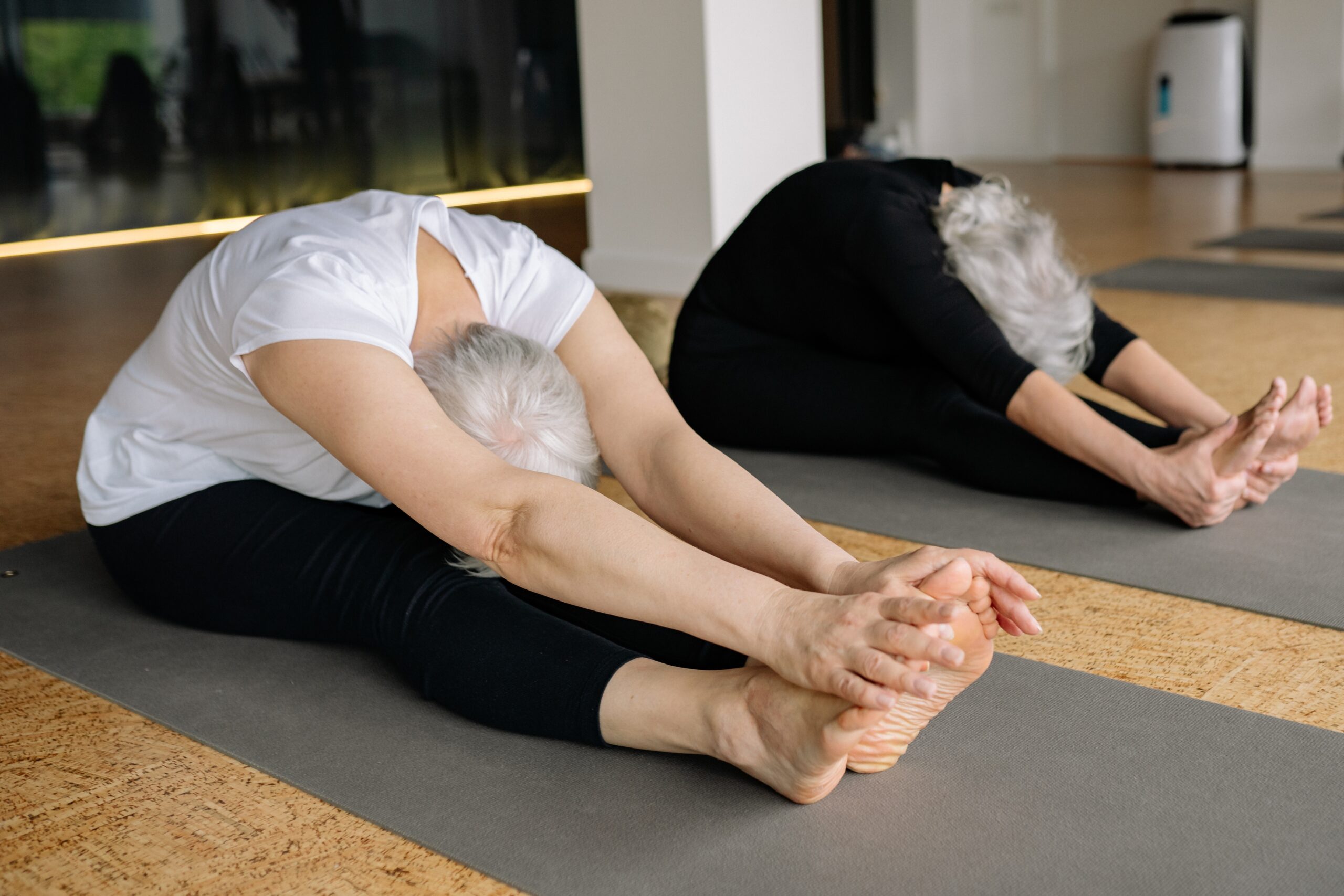
Yoga vs Exercise —you’ve probably heard this debate before. But here’s what most people get wrong—and it costs them real results.
The choice isn’t about which one is better—it’s about what your body and mind need right now. Some days bring restlessness—you need movement. Other days feel overwhelming—and you need calm. That’s where this choice matters. You might even wonder if you’re doing the “wrong” one and wasting your effort.
So instead of following trends, let’s understand what truly works for you. Because the wrong choice doesn’t just waste time—it drains your energy.
Let’s make this simple.
Table of Contents
Yoga vs Exercise: What Really Sets Them Apart
At first glance, both look similar. You move your body. You feel better. You build strength.
However, the core purpose of each is quite different.
- Exercise focuses on improving your body’s performance
- Yoga focuses on improving your internal balance
Think of it this way:
👉 Yoga trains your awareness
Both are useful. But they solve different problems.
If you’re a beginner, this difference can save you months of confusion. If you choose the wrong one for your needs, you don’t just lose time—you lose motivation.
Also Read : Snoring Alert
Yoga vs Exercise: What Happens When You Choose Exercise
Exercise is direct and goal-driven. You push your limits, sweat, and challenge your body consistently. As a result, you start seeing faster results compared to yoga.
These are some of the most noticeable exercise benefits people experience:
- Better strength
- Improved stamina
- Faster metabolism
- Weight loss support
Also, your mood improves after workouts. That’s why many people use exercise as part of daily discipline routines.
However, there’s a catch.
If you push too hard without rest, your body can feel drained. Over time, it may lead to fatigue instead of energy.
So balance matters here. This makes it one of the best workouts for beginners focused on physical transformation. Research consistently shows that regular exercise improves heart health, energy levels, and long-term physical performance.
Also Read : How to Cure Piles
Yoga vs Exercise: What Happens When You Choose Yoga
Yoga works differently—it slows you down instead of speeding things up.
These are key yoga benefits that improve both body and mind. You focus on:
Because of this, the results feel subtle—but powerful.
You may notice:
- Reduced stress
- Better focus
- Improved flexibility
- Emotional balance
In fact, yoga connects closely with ideas like dopamine detox techniques, where you reduce mental overload.
Over time, this creates a calmer and more stable mindset. That’s exactly the reason yoga is often recommended for beginners looking for mental clarity techniques. This also clearly shows the difference between yoga vs gym benefits for long-term health. Multiple studies suggest that yoga helps reduce stress hormones and improves focus, making it effective for mental clarity.
Quick Answer:
Yoga helps calm your mind, increase flexibility, and reduce stress, while exercise boosts strength, endurance, and speeds up weight loss. For best results, combining both works most effectively.
Also Read : Uric Acid
Yoga vs Exercise: Which One Gives Better Results?
It comes down to what “better” means to you.
Let’s break it down simply:
Also Read : Shilajit
If your goal is physical change
Also Read : Gut Bacteria
If your goal is mental clarity
Yoga works deeper.
- Calm your thoughts
- Improve focus
- Reduce stress
Also Read : Intermittent Fasting
If you want long-term balance
You need both. That’s the real answer most people ignore. For most beginners, starting with both in a simple routine works best. This is why the difference between yoga and exercise matters more than people think.
Also Read : Calcium Deficiency
Why Most People Feel Confused
Many people think yoga is just slow exercise. In reality, yoga and exercise are not the same thing—and that’s the confusion.
Yes, yoga includes movement. But the intention is different.
For example:
Exercise focuses on results, while yoga focuses on how you reach those results.
This idea is similar to lessons from The Practicing Mind, where the focus stays on the journey, not just the outcome.
Once this clicks, things start to make much more sense.
Also Read : Itching Relief
How Your Body Responds to Each
Your body reacts differently to both.
With Exercise
- Heart rate increases
- Energy spikes
- You feel active and alert
With Yoga
Both responses are useful—they just serve different needs. For example, after a stressful day, yoga can calm your mind quickly. But when you feel low or lazy, even a short workout can boost energy fast.
For this reason, choosing the right one at the right time matters. When you understand this, you stop forcing routines—and start choosing what actually works for you.
Also Read : Why Boredom is Important for You
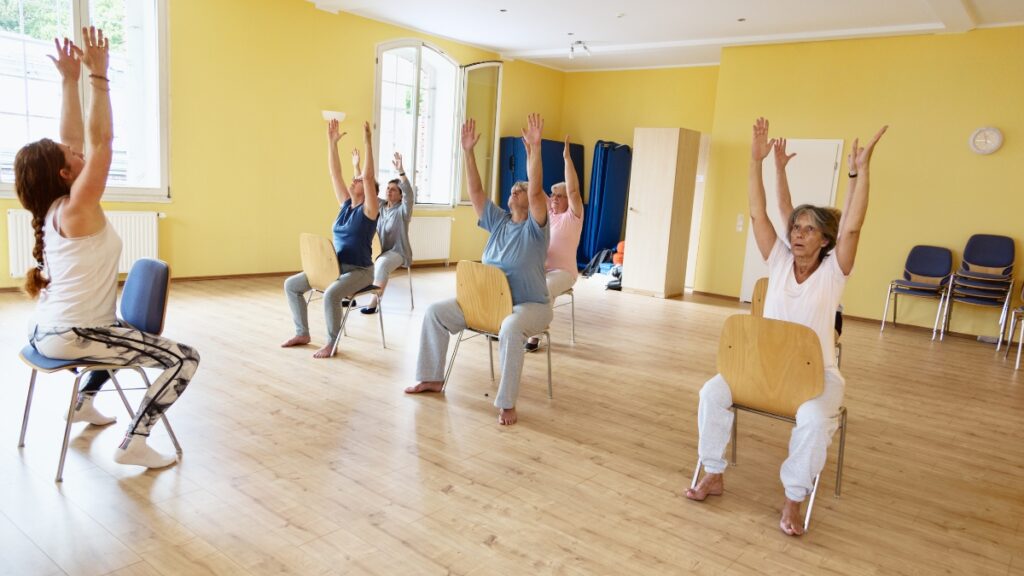
Yoga vs Exercise for Daily Life
Also Read : Vitamin B 12 Benefits
If your day feels stressful
Go for yoga. It helps you reset your mind and avoid burnout.
Also Read : Vitamin E Wonders
If you feel low on energy
Also Read : Obesity
And if you want consistency
Mix both.
For example:
- Morning → Light yoga
- Evening → Short workout
This creates a balanced routine without pressure.
Also Read : Vitamin D Deficiency
Yoga vs Exercise: The Smart Way to Combine Both
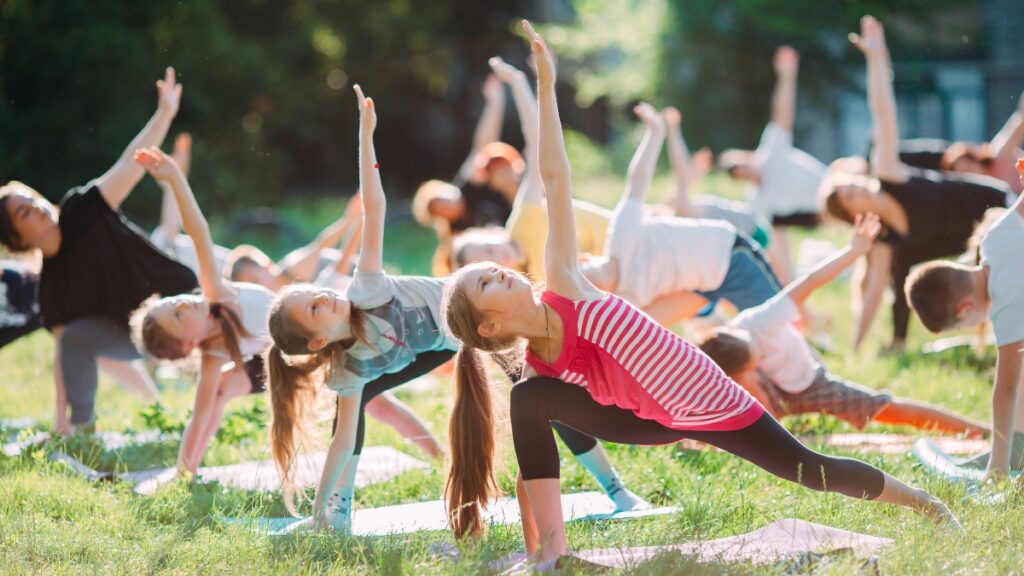
You don’t need to pick one forever. Instead, use them together.
Here’s a simple approach:
- Begin your day with light stretching or a short yoga session
- Add 20–30 minutes of exercise later
- Keep one rest day each week
This way, you stay active without feeling exhausted. Also, this supports a healthy lifestyle without burnout or extreme effort.
Keep yoga sessions around 15–20 minutes and workouts around 20–30 minutes to avoid burnout. This method is simple and effective if you’re looking for a simple home workout plan for beginners. It also helps if you’re trying to figure out how to stay consistent with workouts.
Also Read : 23 Superfoods
Yoga vs Exercise: Common Mistakes
Most people make these mistakes:
- Doing intense workouts every day
- Ignoring rest and recovery
- Treating yoga like just stretching
- Skipping consistency
Instead, focus on small daily actions—this is how real consistency and long-term results are built. When you avoid these mistakes, choosing between yoga and exercise becomes much easier—and much more effective.
Also Read : Natural Remedies Backed by Science
Yoga vs Exercise: What Should YOU Choose Today?
Still confused? Don’t overthink this.
Also Read : Biohacking
Quick Decision Guide (Save This)
If you want fast clarity, use this:
- Belly fat loss → Exercise with proper diet
- Flexibility for beginners → Yoga
- Home workout routine → Mix both
- Weight loss → Exercise
- Stress relief → Yoga
- Flexibility → Yoga
- Strength → Exercise
- Mental clarity → Yoga
- Full balance → Combine both
This simple guide helps you decide without overthinking.
Also Read : Organic Food
Yoga vs Exercise: FAQs You Should Know
Is yoga better than exercise for weight loss?
Exercise helps burn calories faster, while yoga supports gradual and sustainable weight loss by improving habits and balance.
Is it okay to combine yoga with regular exercise?
Yes, and it works best that way. You get both strength and mental clarity.
Which is better for beginners?
Start with light yoga. Then slowly add simple workouts.
How often should you practice?
3–5 days a week is enough. Focus on consistency, not intensity.
Does yoga improve mental health?
Yes. It helps reduce stress, improves focus, and builds emotional balance.
Should you begin with yoga or go for exercise first?
Here’s the truth: doing more isn’t always better—doing the right thing is.
Also Read : Aloe Vera Benefits
Start Today (Simple 5-Min Plan)
Also Read : Tejpatta (Indian Bayleaf)
Final Thoughts: Real Change Comes from Balance
Do what fits you—don’t just copy others.
Some prefer intense gym workouts. Others enjoy calm yoga sessions. Both are valid.
The real goal is simple:
👉 Feel better in your body
👉 Feel calmer in your mind
So start small.
Try one session today. Notice how your body responds after you finish. Then adjust.
Start today—not tomorrow.
Pick one right now: a 10-minute yoga session or a quick workout—and start immediately.
Do it now, before you overthink again. Clarity comes from action, not from thinking too much.
The earlier you begin, the quicker you’ll see change.
Also Read : Imli Hacks