Almonds vs Pistachios may sound like a simple snack debate, but your choice can affect your energy, hunger, heart health, and even blood sugar. Many people eat one of these nuts every day without knowing how differently they work inside the body.
Almonds and pistachios are both popular healthy nuts for everyday snacking. One handful may keep you full longer. Another may help control cravings better. Nuts are nutritious, but oversized servings can add up quickly without noticing. The best nut is often the one you can eat consistently in realistic portions.
So, which nut deserves a place in your daily routine?
The better option often comes down to your habits, routine, and health priorities.
Table of Contents
Quick Almonds vs Pistachios Verdict
Use this quick breakdown to see which nut may suit your goals more effectively.
| Goal | Better Choice | Why |
|---|---|---|
| Weight Loss | Pistachios | Easier portion control |
| Muscle Support | Tie | Both offer plant protein |
| Blood Sugar | Pistachios | Better glucose support |
| Skin Health | Almonds | Higher vitamin E |
| Fullness | Almonds | More fiber |
| Eye Health | Pistachios | Contains lutein and zeaxanthin antioxidants |
| Daily Snacking | Pistachios | Slows overeating |
| Budget-Friendly | Almonds | Often cheaper in bulk |
Also Read : 22 Body Heat Hacks
Almonds vs Pistachios Nutrition Comparison
From a nutrition standpoint, almonds and pistachios share many similarities. Both contain healthy fats, plant protein, fiber, and important minerals. Yet a few small differences can change which one fits you better. Many people also compare calorie content before choosing between almonds and pistachios as a daily snack. Both nuts contain similar calories, yet portion size can make a noticeable difference over time.
Here’s a quick look at a 1-ounce serving:
| Nutrient | Almonds (1 oz) | Pistachios (1 oz) |
|---|---|---|
| Calories | ~164 calories | ~159 calories |
| Protein | ~6g | ~6g |
| Fiber | ~3.5g | ~3g |
| Healthy Fats | High | High |
| Carbs | Lower | Higher |
| Vitamin E | Excellent source | Moderate |
| Potassium | Good | Higher |
| Antioxidants | Strong | Very strong |
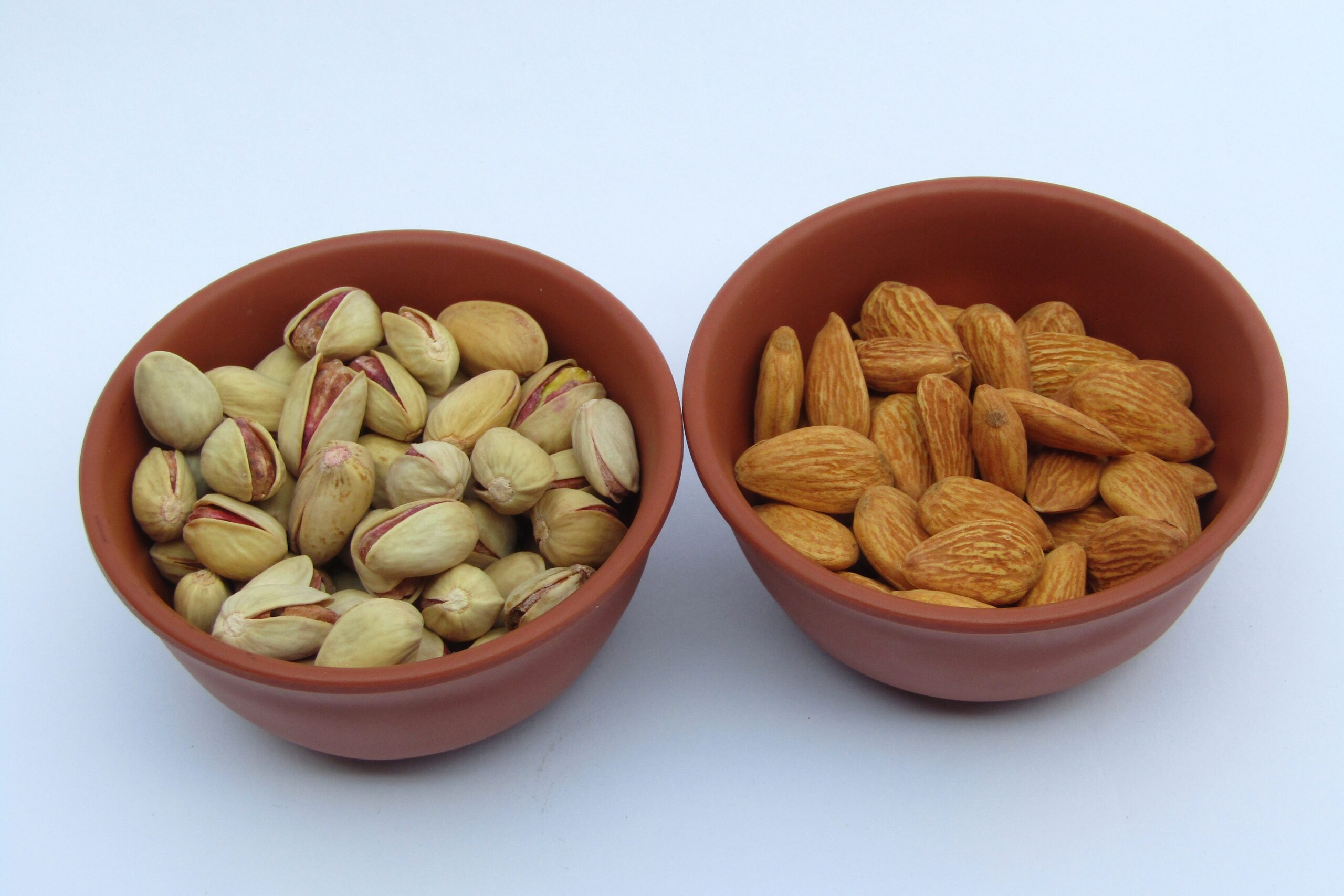
| Serving Size Visual | ~23 almonds | ~49 pistachios |
A practical serving is usually one small closed handful.
Both nuts support overall wellness. However, almonds shine for fiber and vitamin E, while pistachios stand out for antioxidants and potassium. As a result, the better choice depends on your personal nutrition goals.
Nutritional values can vary slightly depending on roasting methods, added salt, and serving size. Nutrition information may vary slightly by brand and preparation method.
Most nutrition research supports moderate nut consumption as part of a balanced diet for heart health, satiety, and metabolic wellness.
Also Read : 14 Herbs for Beauty
Almonds vs Pistachios for Weight Loss
Why Almonds Can Reduce Hunger More Effectively
Almonds contain slightly more fiber. They also feel denser when you chew them. Because of that, many people feel satisfied longer after eating almonds.
This slower digestion may reduce random snacking later in the day.
Almonds can work well if you:
- feel hungry often
- snack late at night
- want fewer cravings
- need a filling office snack
Some people also prefer soaked almonds in the morning because they feel lighter on the stomach.
Why Pistachios May Help Eating Pace
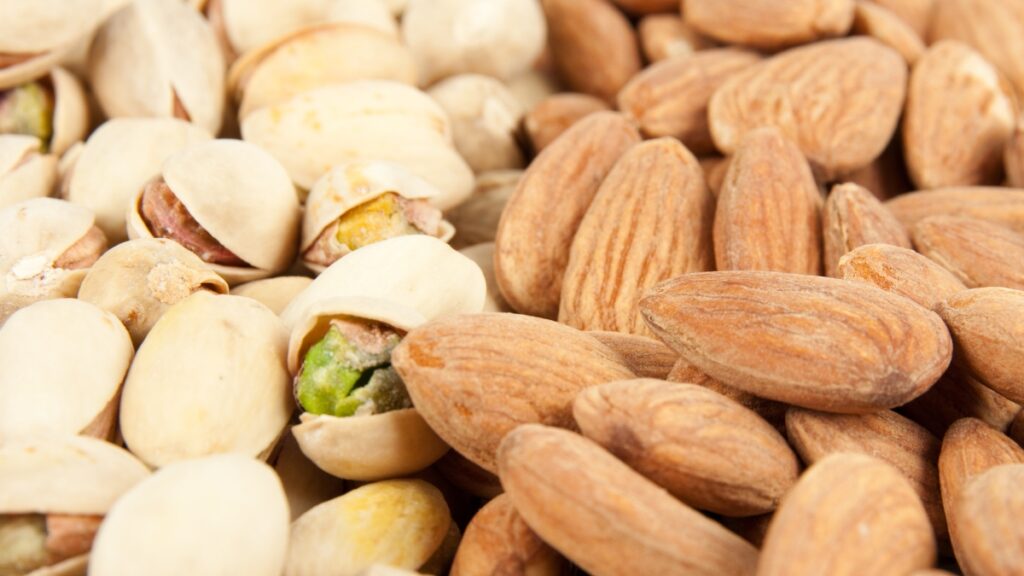
Pistachios have a hidden advantage. Most come with shells. That small barrier naturally slows down how quickly you eat. As a result, you naturally eat fewer calories without trying too hard.
If portion control is difficult, pistachios may encourage more mindful eating. Pistachios also provide more nuts per serving visually, which may psychologically feel more satisfying to some people.
Fiber, plant protein, and healthy fats are some of the reasons these nuts are frequently linked with weight management.
Even healthy nuts can slow weight loss if portions become too large regularly.
Also Read : How to Prevent from Covid & Other Viruses
Also Read : Detox Your Body Now
Almonds vs Pistachios for Protein and Muscle Support
Many gym lovers choose almonds first. However, pistachios also offer strong nutrition for active people.
Both nuts provide plant-based protein, healthy fats, and minerals that support recovery and healthy snacking habits. That’s why both are often considered among the best nuts for protein and fitness-friendly snacking.
Although nuts contain protein, they are not complete high-protein replacements for foods like eggs, dairy, fish, soy, or legumes.
Almonds for Steady Energy
Pistachios for Recovery and Nutrients
Pistachios contain potassium and antioxidants that may support recovery after exercise. Their lighter texture also makes them easier to snack on after a long workout.
Still, neither should replace your main protein sources. They work best as supportive snacks alongside balanced meals.
Also Read : Sleep Well
Pre-Workout vs Post-Workout
Almonds may work better before workouts because they provide slower, steady energy. Pistachios can feel lighter after workouts, especially when paired with fruit or yogurt. If you are bulking, both nuts can add healthy calories easily. If you are cutting, pistachios may help more because shelling slows overeating.
Many people also use nuts as convenient high protein snacks between meals.
Also Read : Sleep Deprivation
Almonds vs Pistachios for Blood Sugar Control
This category gives pistachios a slight edge. Pistachios are often included among low glycemic snacks because they contain fiber, protein, and healthy fats.
That matters if you:
Almonds still support balanced eating. Some studies suggest pistachios may help support steadier post-meal blood sugar responses when eaten as part of a balanced diet.
A small serving can help. However, eating large portions regularly can still add excess calories.
Also Read : Snoring
Also Read : 14 Foods You Should Never Refrigerate
Almonds vs Pistachios for Heart Health
Both nuts are rich in monounsaturated fats, the type of unsaturated fat commonly linked with heart-friendly eating patterns, which may help support healthy cholesterol levels.
Almonds and Vitamin E
Pistachios and Potassium
Pistachios contain potassium, which plays a role in healthy blood pressure regulation. Their antioxidant compounds may also support blood vessel function.
Instead of choosing one forever, many nutrition experts prefer rotating different nuts during the week. That gives your body a wider mix of nutrients.
Both almonds and pistachios can fit into balanced eating patterns built around heart-healthy snacks and are naturally cholesterol-free.
Suggested: Unsalted nuts are often the better choice for people trying to manage sodium intake.
Also Read : How to Take Care of Your Parents
Almonds vs Pistachios Taste and Satisfaction
Even nutritious snacks are difficult to stick with if you do not enjoy them. If you hate your “healthy snack,” you probably won’t eat it consistently.
Almonds feel firm, rich, and slightly dry. They blend easily into breakfast bowls, protein shakes, and trail mix recipes.
In comparison, pistachios taste softer and slightly sweet. Many people find them more fun to eat because of the shelling process. Interestingly, that small shelling activity may also reduce stress eating and distracted snacking.
Pistachio shells naturally provide a visual cue that may help with portion awareness.
Also Read : Joint Pain
Daily Practicality and Cost: Almonds vs Pistachios
Almonds can be found easily in most grocery stores and neighborhood markets. In many places, they also cost slightly less when bought in larger packs.
Pistachios often feel more premium because of shelling and processing costs.
If you eat nuts daily, almonds may feel more budget-friendly over time.
Still, pistachios may help you eat slower and waste fewer servings through mindless snacking.
In everyday life, many people find a combination of both nuts easier to maintain:
- almonds for regular daily use
- pistachios for controlled snacking
For most people, that balance feels realistic and easier to maintain long term.
Also Read : Thyroid
Also Read : Herbal Tea
When Is the Best Time to Eat Almonds and Pistachios?
The timing of these nuts can influence how satisfying they feel throughout the day.
Best Time for Almonds
Best Time for Pistachios
Pistachios work well:
- during evening cravings
- as travel snacks
- for movie-time munching
- after workouts
Their slower eating pace may help limit late-night snacking.
Also Read : Migraine Relief
Almonds vs Pistachios Digestion Comparison
Different nuts may affect digestion and fullness in different ways.
Almonds can feel quite heavy in larger portions due to their fiber and compact texture.
Because they soften after soaking, almonds may feel more comfortable on the stomach during morning meals.
Pistachios often feel lighter as a snack. The higher sodium content in salted pistachios may cause bloating in certain individuals.
If nuts upset your stomach:
Your stomach may handle nuts better when eaten in balanced portions instead of excessive amounts.
Soaked almonds may feel gentler on digestion for some people, especially in the morning. Dry-roasted nuts can still fit into a healthy diet, though heavily roasted or oil-coated options may include more sodium and added fats.
Also Read : How to Improve Your Memory and Focus
When Almonds and Pistachios May Not Be Ideal?
Even healthy foods need balance.
You may need extra caution if you:
- have nut allergies
- follow a low-calorie diet
- buy heavily salted versions
- struggle with portion control
- may need to monitor foods high in oxalates due to kidney stone concerns
- people managing diabetes who buy sweet-coated nuts
Salted nuts can increase sodium intake quickly. Seasoned nut varieties can sometimes contain extra salt, sugar, or added fats.
In most cases, plain or lightly roasted nuts are the better everyday option. Also, nuts are calorie-dense. A small handful helps. Half a container does not.
Kids can enjoy both nuts in small portions if there are no allergy concerns. For people with diabetes, plain unsalted pistachios may work better than sugar-coated snack mixes.
Note: People with medical conditions or strict dietary restrictions should consider personalized nutrition advice from a qualified healthcare professional.
Also Read : How to Improve Your Five Senses
Also Read : How to Relieve Painful Toothache
Simple Ways to Add Almonds and Pistachios to Your Diet
Also Read : Why Boredom is Important
Common Myths About Almonds and Pistachios
❌ Pistachios cause weight gain
Not necessarily. Portion size matters more than the nut itself.
❌ Almonds are always healthier
Not true. Pistachios may support blood sugar and portion control better for some people.
❌ Salted nuts are just as healthy
Too much sodium can reduce some health benefits.
❌ More nuts always means more health
Overeating nuts can quickly increase calories. Balance works better than excess.
Note: Individual nutrition needs can vary based on age, activity level, allergies, and overall diet quality.
Also Read : Biohacking
Almonds vs Pistachios Based on Your Lifestyle
Also Read : How to Cure Sciatica
Also Read : 19 Powerful Ayurvedic Herbs
Bottom Line
- Choose almonds for fullness, fiber, and vitamin E.
- Choose pistachios for slower snacking, antioxidants, and portion awareness.
- Mixing both can provide more variety and nutritional balance.
Also Read : Meditation
Frequently Asked Questions About Almonds vs Pistachios
Are pistachios healthier than almonds?
Not completely. Pistachios may help more with blood sugar control, while almonds offer more fiber and vitamin E.
Which nut is better for weight loss?
Both can support weight loss. Almonds may keep you fuller, while pistachios may reduce overeating.
How many almonds or pistachios should you eat daily?
Around 20–25 almonds or 30–40 pistachios per day usually works well for most adults. However, your ideal amount depends on your activity level, calorie needs, and overall diet. A simple rule is to keep your portion around one small handful instead of eating directly from large containers.
Can you eat almonds and pistachios together?
Yes. Mixing them gives you a wider mix of nutrients and textures.
Are roasted nuts unhealthy?
Not always. Dry-roasted nuts are generally fine. However, heavily salted or sugar-coated versions are less healthy.
Which nut is better for bodybuilding and gym workouts?
Both support active lifestyles. Almonds help with fullness and magnesium, while pistachios support recovery and snacking balance.
Which is better: soaked almonds or pistachios?
Which nut has more antioxidants: almonds or pistachios?
Pistachios are typically higher in antioxidant compounds compared to almonds. These antioxidants may help protect cells from oxidative stress as part of a balanced diet.
Also Read : How to Keep Your Mind Calm During Panic News
Final Thoughts
Almonds and pistachios are both nutritious snack choices. The right choice comes down to your personal goals, routine, and eating preferences.
If fullness and fiber are priorities, almonds may be the stronger choice. If you want easier portion control and mindful snacking, pistachios may be the stronger choice.
You do not have to stick with just one nut in your diet. Rotating both nuts throughout the week can help add variety, nutrients, and satisfaction to your diet.
For many people, combining both nuts in moderation is the simplest long-term approach. The healthiest nut is usually the one you can enjoy consistently in balanced portions over the long term. If you want a simple default choice: almonds for fullness, pistachios for mindful snacking.
Also Read : What is Tejpatta (Indian Bay leaf)