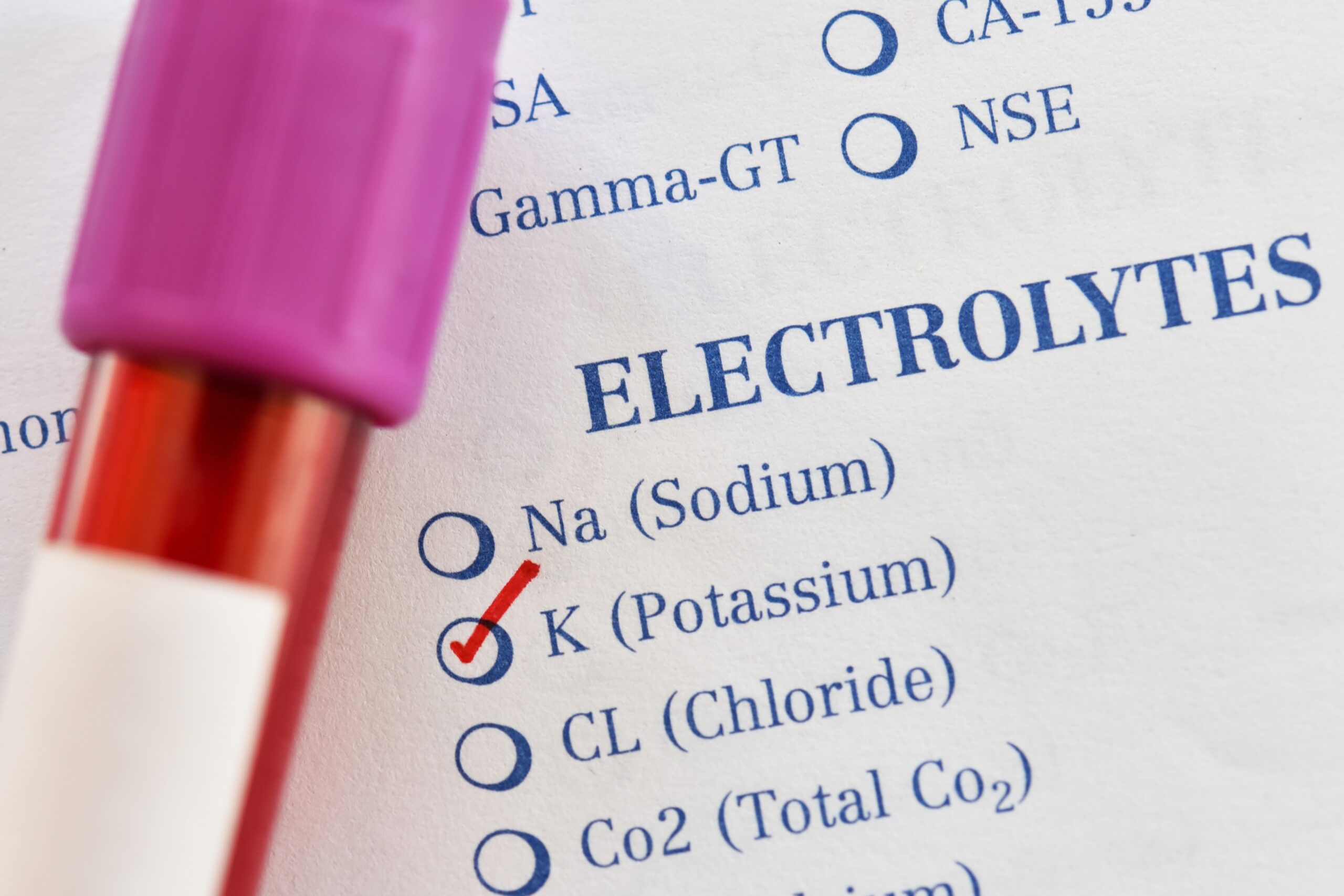
Sodium potassium balance affects hydration, blood pressure, muscle function, nerve signaling and heart rhythm. These two electrolytes work together constantly to keep your body functioning properly.
Modern diets often contain too much sodium and too little potassium due to high intake of processed foods and low intake of fruits and vegetables. Over time, this imbalance may contribute to bloating, fatigue, muscle cramps, dehydration, and higher blood pressure.
Quick Summary: Healthy electrolyte levels help maintain hydration, muscle activity, nerve signaling, blood pressure, and cardiovascular function. Eating more potassium-rich whole foods while reducing excess processed sodium supports healthier electrolyte balance.
What Is Sodium Potassium Balance?
Proper sodium and potassium levels help support hydration, muscle activity, nerve function, blood pressure, and heart health.
Knowing how sodium and potassium function together may help support hydration, circulation, energy, and muscle performance.
Key Takeaways
- Many diets are high in sodium but low in potassium intake
- Potassium-rich whole foods may support healthier blood pressure
- Hydration affects electrolyte balance
- A large number of packaged and processed foods are loaded with hidden sodium
- Severe symptoms require medical attention
Table of Contents
Sodium vs Potassium: Quick Difference
- Sodium mainly regulates fluid outside cells
- Potassium mainly regulates fluid inside cells
- Together, they regulate hydration, nerve activity, muscle function, and cardiac rhythm
Research consistently shows that diets higher in potassium and lower in excess sodium are associated with healthier blood pressure and cardiovascular function. Potassium helps the body remove extra sodium and supports healthy circulation and blood pressure balance.
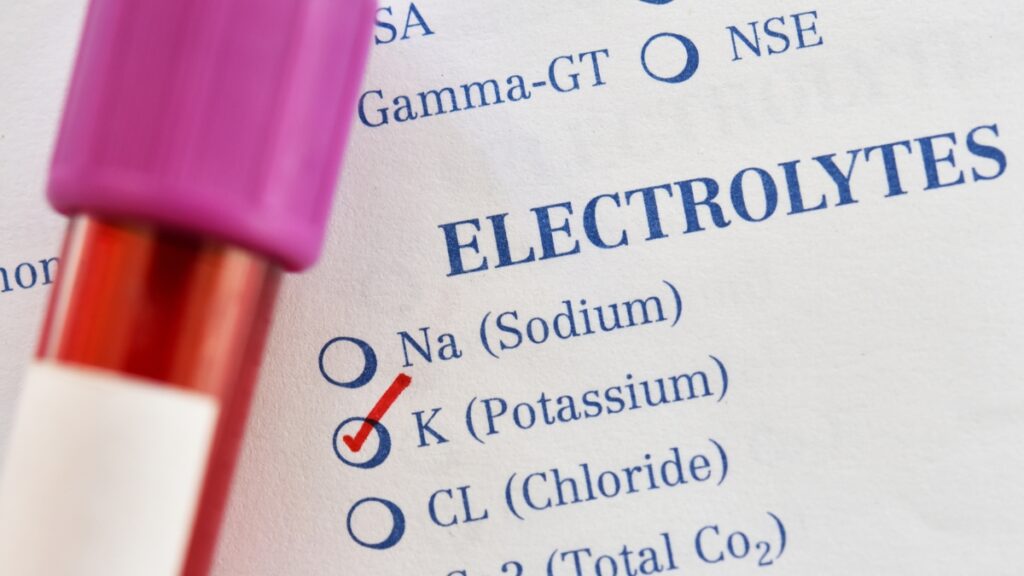
Why maintaining sodium potassium balance is so important
Sodium is a mineral found in salt. Regular table salt is made up of roughly 40% sodium. Most nutrition labels display sodium content instead of overall salt amounts. Sodium mainly manages fluid outside the cells, while potassium helps maintain balance within cells. Together, they help control fluid, blood pressure, muscle movement, and nerve signaling.
Sodium and potassium work through a process called the sodium-potassium pump, which helps move fluids, nutrients, and electrical signals across cell membranes. Sodium and potassium jointly support nerves, muscles, and heart rhythm.
Your nerves and muscles depend heavily on proper hydration and mineral balance.
How the Kidneys Control Sodium and Potassium
Also Read : Best Mindset Books
Recommended Daily Sodium and Potassium Intake
Many health guidelines advise adults to limit sodium intake to under 2,300 mg daily
- Many nutrition guidelines recommend around 3,500–4,700 mg of potassium each day from whole foods
- Your electrolyte needs can change depending on lifestyle, weather, health conditions, medications, and age
Tracking sodium from packaged meals and restaurant foods may support healthier electrolyte balance over time.
Understanding Sodium on Nutrition Labels
What Is a Healthy Sodium Potassium Ratio?
Most health experts suggest getting more potassium than sodium to support healthier mineral balance and heart function. Many modern diets contain nearly double the sodium compared to potassium, while healthier eating patterns often reverse that balance by emphasizing vegetables, fruits, beans, and minimally processed foods.
A simple goal for many adults is:
- Less processed sodium-heavy food
- More potassium-rich whole foods
- Better hydration habits
- More fruits and vegetables daily
Also Read : Horse Gram
Quick Signs Your Sodium Potassium Balance May Need Attention
Your body usually gives warning signs when electrolyte balance starts shifting. An electrolyte imbalance can occasionally trigger muscle cramps, fatigue, bloating, dizziness, headaches, or heartbeat changes.
Mild electrolyte imbalance symptoms may include:
- Frequent muscle cramps
- Low energy levels
- Headaches
- Bloating
- Dizziness
- Irregular heartbeat
- Weakness after sweating heavily
- High blood pressure
In some cases, low sodium levels can cause fatigue, nausea, headaches, or mental fog.
Intense exercise, hot temperatures, or salty foods may sometimes trigger headaches, cramps, or dizziness.
Severe symptoms like chest pain, fainting, confusion, or persistent irregular heartbeat should never be ignored. In those situations, professional medical care becomes important because serious electrolyte imbalance can affect heart and nerve function.
Serious symptoms may include:
- Chest pain
- Fainting
- Confusion
- Persistent irregular heartbeat
- Severe weakness
Low Potassium vs High Sodium Symptoms
Also Read : Isabgol Benefits (Psyllium Husk)
Who Faces Higher Risk of Electrolyte Imbalance?
Some people are more likely to experience sodium potassium imbalance than others.
Higher-risk groups may include:
- Athletes and runners who sweat heavily
- Older adults
- People with high blood pressure
- Individuals taking diuretics
- People with kidney conditions
- Anyone experiencing vomiting or diarrhea
- Individuals following restrictive diets or prolonged fasting
For example, endurance athletes can lose large amounts of electrolytes during long workouts, especially in hot weather.
Also Read : Jeera Benefits (Cumin Seeds)
10 Eye-Opening Ways to Balance Sodium Potassium Naturally
1. Eat More Potassium-Rich Foods Daily
Many diets contain far higher sodium levels than potassium each day. Potassium may help reduce certain effects linked to high sodium intake. Potassium-rich foods that may support electrolyte balance include:
- Banana: ~400 mg potassium
- Sweet potato: ~500–700 mg
- Avocado: ~700 mg
- Cooked spinach provides roughly 800 mg of potassium per cup
Whole foods support electrolyte health while providing fiber, nutrients, antioxidants, and natural hydration.
Potassium from whole foods is generally safer and better regulated by the body than high-dose supplements for most healthy adults.
A nutritious, potassium-rich plate can be prepared with grilled salmon, sweet potatoes, spinach salad, yogurt, and fresh fruit.
Example of a Balanced Electrolyte Day
- Breakfast: yogurt, banana, oats
- Lunch: beans, spinach, rice
- Snack: fruit + water
- Dinner: salmon, sweet potato, vegetables
- After exercise: water + potassium-rich foods
Also Read : Khadi Organic
2. Reduce Ultra-Processed Foods
Packaged foods are one of the biggest sodium sources today. High sodium is common in chips, frozen foods, noodles, sauces, and fast food.
Additionally, many packaged foods contain hidden sodium preservatives that people rarely notice.
Instead of removing salt from everything, try reducing heavily processed meals first.
Simple swaps help a lot:
- Fresh fruit instead of packaged snacks
- Homemade meals instead of takeout
- Natural seasonings instead of salty sauces
- Roasted potatoes instead of fries
Over time, your taste buds adjust naturally.
A simple grocery rule can help: spend more time shopping around fresh foods like produce, dairy, beans, and whole ingredients while limiting highly packaged snack aisles whenever possible.
Also Read : Terrace Garden
3. Drink Enough Water Throughout the Day
Proper electrolyte hydration strongly affects electrolyte health. When you sweat heavily or stay dehydrated too long, electrolyte levels can shift quickly.
Your body may become slightly dehydrated even before thirst appears.
A few healthy hydration habits may help:
- Carry a reusable water bottle
- Drink water before workouts
- Increase fluids during hot weather
- Eat water-rich foods like cucumber and watermelon
Drinking too much plain water without minerals can sometimes lower sodium concentration. In extreme situations, this may contribute to a condition called hyponatremia, which becomes more common during endurance events or prolonged heat exposure.
| Option | Best For |
|---|---|
| Water | Daily hydration |
| ORS | Illness/dehydration |
| Sports drinks | Intense prolonged exercise |
| Coconut water | Moderate electrolyte support |
Also Read : Giloy Benefits
Also Read : Sleep Well
4. Watch Hidden Sodium Sources
The biggest sodium source is not always the salt shaker.
Many hidden sodium sources appear inside:
Reading nutrition labels can quickly change how you shop. The presence of MSG, brine, baking soda, or sodium nitrate may indicate high sodium content.
If one serving contains several hundred milligrams of sodium, the total adds up fast across an entire day.
Also Read : 14 Herbs for Natural Glow
5. Improve Heart Health With Balanced Mineral Intake
Your heart depends on sodium and potassium working together properly. These minerals help control electrical signals involved in heart rhythm and muscle contraction.
Balanced electrolytes also support heart health. A balanced diet supports:
- Healthier circulation
- More stable hydration
- Better muscle function
- Improved blood pressure management
Also Read : Which is The Best Cooking Oil
Also Read : Diabetes
6. Be Careful With Extreme Low-Sodium Diets
Reducing excess sodium helps many people. Your body still needs sodium to function correctly.
Sodium supports:
- Nerve communication
- Fluid regulation
- Muscle contraction
- Exercise performance
Extremely restrictive diets may sometimes leave people feeling weak or fatigued.
Many people believe all sodium is bad by default. In reality, your body still needs sodium daily for hydration, nerve signaling, and muscle performance.
Myth: Every type of sodium is harmful to health.
Reality: Your body still needs sodium daily. Problems usually begin when processed foods push intake too high while potassium intake stays too low.
Also Read : Thyroid
7. Increase Potassium During Active Lifestyles
Potassium-rich recovery foods may include:
| Meal | Why It Helps |
|---|---|
| Yogurt + banana | Potassium + hydration |
| Salmon + sweet potato | Electrolyte support |
| Beans + spinach + rice | Potassium + fiber |
| Avocado toast | Potassium + healthy fats |
Also Read : How to Improve Your Eyesight
8. Learn the Sodium Potassium Ratio
Many experts now focus on the sodium potassium ratio instead of only sodium alone.
Why?
Because modern diets often contain:
- Too much sodium
- Too few whole foods
- Low vegetable intake
- Excess processed meals
A healthier balance improves fluid regulation and supports healthier blood pressure levels.
Also Read : Vinegar Wonders
9. Pay Attention During Hot Weather or Illness
Electrolyte imbalance becomes more common during:
- Heat waves
- Intense workouts
- Fever
- Vomiting
- Diarrhea
- Long outdoor activity
Your body loses both fluids and minerals during these situations.
Electrolyte loss after heavy sweating may contribute to headaches, dizziness, or weakness.
In moderate situations, balanced meals and fluids usually help. Severe symptoms, however, may require medical attention.
Also Read : Hair Care
10. Build Sustainable Eating Habits Instead of Quick Fixes
True balance comes from consistent habits, not quick detoxes.
Try focusing on:
- Whole foods
- Better hydration
- More vegetables
- Fewer processed snacks
- Balanced meals
- Consistent routines
Also Read : How to Improve Your Memory & Focus
Also Read : Snoring
Foods That Support Better Sodium Potassium Balance
Comparing potassium-rich whole foods with heavily processed foods can make sodium potassium balance easier to understand.
| Food | Potassium Support | Sodium Level |
|---|---|---|
| Banana | High | Low |
| Spinach | High | Low |
| Sweet potato | High | Low |
| Yogurt | Moderate | Moderate |
| Avocado | High | Low |
| Processed chips | Low | Very high |
| Fast food burgers | Low | High |
| Beans | High | Low |
Also Read : Gut Bacteria
Can Sodium and Potassium Imbalance Affect Blood Pressure?
Also Read : How to Improve Your Five Senses
Common Mistakes People Make With Electrolytes
People often develop imbalances without awareness through routine lifestyle choices.
Common mistakes include:
- Drinking too little water
- Eating excessive processed food
- Ignoring potassium intake
- Following extreme diet trends
- Overusing sports drinks unnecessarily
- Consuming large sodium-heavy restaurant meals frequently
Sports drinks can help during intense exercise, but many contain excess sugar or sodium. Casual workouts usually do not require electrolyte drinks if hydration and meals are adequate.
Oral rehydration solutions (ORS) may sometimes help during diarrhea, vomiting, heavy sweating, or heat exhaustion because they contain balanced electrolytes and fluids. IV fluids are generally reserved for severe dehydration or major electrolyte problems in medical care.
Potassium supplements should also be used carefully. Excess potassium may become dangerous for people with kidney problems or certain blood pressure medications. Food sources usually provide a safer long-term approach for most healthy adults.
Certain salt alternatives contain high potassium levels and may not suit kidney patients or medication users.
Foods That May Disrupt Sodium Potassium Balance
- Packaged snacks
- Instant noodles
- Processed meats
- Canned soups
- Salty sauces
- Frozen meals
- Fast food
Also Read : Itching Relief
Can Too Much Potassium Be Dangerous?
- Excess potassium (hyperkalemia) can become dangerous
- Higher risk in kidney disease
- Certain medications increase risk
- Symptoms may include weakness, numbness, irregular heartbeat
- For most healthy adults, getting nutrients from foods is generally safer than high-dose supplements
Certain blood pressure medications, including ACE inhibitors and potassium-sparing diuretics, can increase potassium levels.
Also Read : Boredom
When to Seek Medical Attention
Do not self-treat severe electrolyte imbalance with supplements alone without medical guidance.
Seek medical care if you experience:
- Severe chest pain
- Fainting
- Persistent irregular heartbeat
- Severe weakness
- Confusion
- Ongoing vomiting or diarrhea
- Signs of severe dehydration
Electrolyte imbalances can sometimes become serious, especially in people with kidney disease, heart conditions, or certain medications.
Also Read : Biohacking
FAQs About Sodium Potassium Balance
Why is sodium potassium balance important?
Your body needs both minerals to regulate hydration, nerve signals, muscle movement, and blood pressure.
What foods are high in potassium?
What happens if sodium levels are too high?
Too much sodium can sometimes lead to bloating, fluid retention, and elevated blood pressure.
What are the typical symptoms of reduced electrolyte levels?
Symptoms may include cramps, weakness, dizziness, headaches, irregular heartbeat, or fatigue.
Is Himalayan salt healthier for sodium potassium balance?
Himalayan salt contains trace minerals, but moderation still matters because it remains a sodium source.
Does sweating lower potassium levels?
Heavy sweating can contribute to electrolyte loss, especially during long workouts or hot weather.
Can low potassium cause muscle cramps?
Low potassium may contribute to muscle cramps because potassium supports muscle contraction and hydration balance.
What causes sodium potassium imbalance?
Sodium potassium imbalance may develop from dehydration, excessive sweating, processed foods, vomiting, diarrhea, restrictive diets, certain medications, or low potassium intake.
Can drinking too much water lower sodium levels?
Yes. Excessive water intake without adequate electrolyte replacement may dilute sodium levels, especially during endurance exercise, illness, or prolonged heat exposure.
What is the best sodium potassium ratio?
A frequent guideline from health professionals is to emphasize potassium over sodium through a diet rich in fruits, vegetables, beans, and whole foods.
Also Read : Mindful Tech Use
Simple Daily Habits for Better Sodium Potassium Balance
Small daily habits often improve electrolyte balance more effectively than extreme diet changes.
Include:
- Drink water regularly
- Include fruit daily
- Reduce packaged snacks
- Hydrate after exercise
- Eat more vegetables
- Avoid excessive fast food
Also Read : How to Keep Your Mind Calm During Panic News
The First Simple Action You Can Take Today
Start by making one small change today — drink more water, add a potassium-rich food like bananas or spinach, or reduce one processed snack. Simple routines practiced daily can produce big improvements in the long run.
Also Read : Fatty Liver
Final Thoughts on Sodium Potassium
Building a better sodium and potassium balance usually begins with straightforward habits: prioritizing whole foods, staying hydrated, and avoiding heavily processed foods. Small daily improvements often make the biggest long-term difference for hydration, blood pressure, muscle function, and overall health.
People with kidney disease, heart conditions, or blood pressure medications should speak with a healthcare professional before using electrolyte supplements.
Nutrient needs vary based on health conditions, medications, activity level, and climate.
This content is informational only and not a substitute for medical guidance.
Also Read : Almonds vs Pistachios