
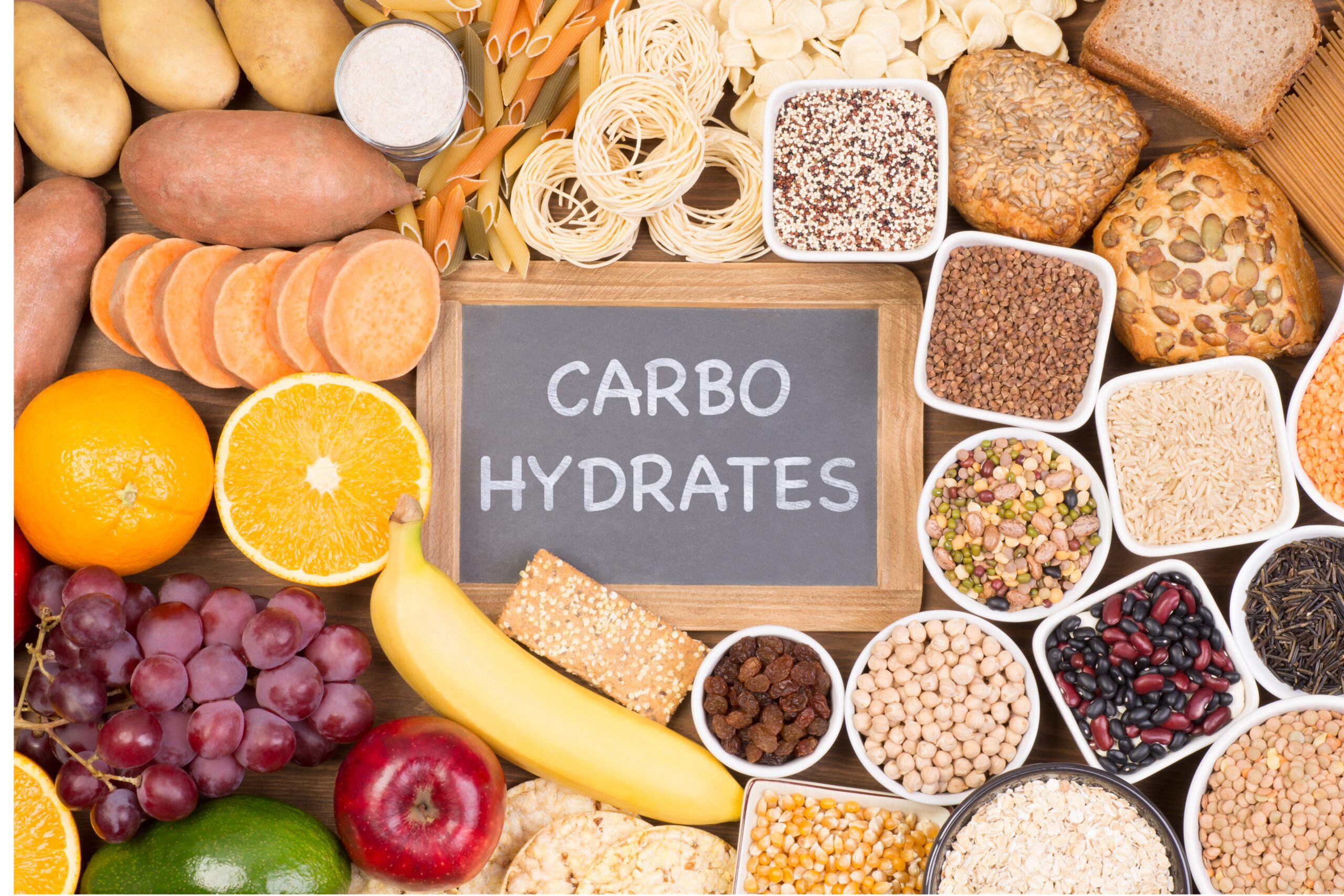
Carbohydrates are one of the body’s main sources of energy, yet they are also one of the most misunderstood nutrients. Many people avoid them to lose weight, while others eat far more than they need. The truth is much simpler. Choosing the right foods can help you stay active, support your metabolism, improve digestion, and keep you feeling full for longer.
Whether your goal is better nutrition, steady energy, improved gym performance, or a healthier lifestyle, learning how they work can help you make smarter food choices every day.
Table of Contents
What Are Carbohydrates?
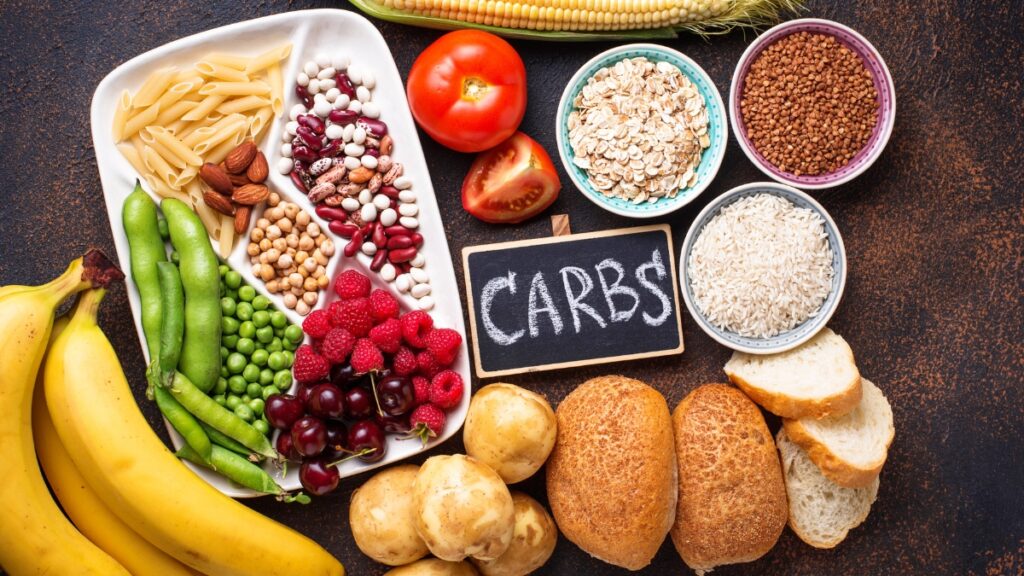
Carbohydrates are one of the three main macronutrients, along with protein and healthy fats. Your body breaks most digestible carbs into glucose. Many cells use glucose as a primary source of energy, while dietary fiber passes through your digestive system without being fully digested. Healthy carbohydrate-rich foods include whole grains, fruits, starchy vegetables, beans, lentils, milk, and yogurt. Although vegetables are encouraged as part of a healthy diet, some non-starchy vegetables (such as spinach, lettuce, and cucumber) contain relatively small amounts of carbohydrate. Choosing whole-food sources instead of highly processed ones supports healthy energy levels, digestion, heart health, and blood sugar control.
Current dietary guidance from major public health organizations encourages getting most dietary energy from whole grains, fruits, vegetables, legumes, and dairy while limiting highly processed foods and added sugars.
These recommendations are broadly consistent with guidance from organizations such as the World Health Organization (WHO), the American Diabetes Association (ADA), and national dietary guidelines.
Also Read : Immunity
Why Your Body Needs Carbohydrates
Think of them as the fuel in a car. Without enough fuel, even the best engine cannot perform well. Your body works the same way.
When you eat carb-rich foods, your digestive system breaks most digestible carbohydrates down into glucose. Afterward, glucose enters the blood, and insulin allows cells to absorb it. Your cells then use it to produce energy for daily activities, exercise, and even basic functions like breathing and thinking.
These nutrients support many important jobs, including:
- Giving you energy throughout the day.
- Supporting your brain and nervous system.
- Helping muscles recover after exercise.
- Maintaining healthy gut bacteria through dietary fiber.
- Helping spare protein so your body can use it to build and repair tissues.
If you regularly feel tired during work, struggle to focus, or feel weak during workouts, your overall eating pattern may need attention—not just your intake of carbs.
Also Read : El Nino
How Carbohydrates Become Energy
Also Read : How to Make This Summer Really Cool for You
What Are the Different Types of Carbohydrates?
Not all carb-rich foods affect your body in the same way. Understanding the difference helps you choose more wisely.
Simple Carbs
Simple carbohydrates are built from one or two sugar molecules. Your body digests them quickly, so they provide fast energy.
Natural sources include:
- Fruits
- Milk
- Yogurt
Some processed foods also contain simple carbohydrates, such as sugary drinks, candy, pastries, and desserts. These foods often add extra calories without providing many vitamins or minerals.
Also Read : Rock Salt
Natural Sugars vs Added Sugars
Many people worry about sugar, but not all sugars affect your diet the same way.
Whenever possible, choose whole fruits instead of sugary drinks or desserts.
Complex Carbs
Also Read : Detox Your Body Today
Healthy vs. Refined Carbohydrates
Also Read : Terrace Garden
Easy Portion Guide
Also Read : Scrolling Overload
How Carbohydrates Affect Blood Sugar
- After digestion, your body stores extra glucose as glycogen.
- Your liver stores glycogen to help maintain normal blood sugar between meals.
- Your muscles store glycogen for physical activity.
- Once these stores are full, consistently eating more calories than your body needs may lead to extra energy being stored as body fat.
This is why portion size matters, even when choosing healthy foods.
Also Read : Black Pepper Benefits
How Fiber Supports Healthy Carbohydrates
Not all carbohydrate compounds are digested. Fiber is still classified as a carbohydrate because it is made of carbohydrate molecules, even though your body cannot fully digest most types of fiber. Some, such as dietary fiber, pass through your digestive system without being fully broken down.
There are different kinds of fiber:
- Soluble fiber forms a gel-like substance that may help support healthy cholesterol and blood sugar levels.
- Insoluble fiber helps food move through your digestive system and supports regular bowel movements.
Some resistant starch behaves like dietary fiber and feeds beneficial gut bacteria. These fibers also act as prebiotics, providing food for the good bacteria living in your gut.
This is one reason why whole grains, beans, fruits, and vegetables are healthier choices than refined foods.
Also Read : 14 Herbs for Glowing Face
Understanding Glycemic Index and Glycemic Load
You may hear about the glycemic index (GI) and glycemic load (GL) when choosing carb-rich foods.
- Glycemic Index (GI) indicates how fast a food increases glucose levels in the blood.
- Glycemic Load (GL) combines a food’s GI with its carbohydrate content.
Common Examples:
| Food | GI Level |
|---|---|
| White bread | High |
| White rice | Medium to High |
| Oatmeal | Low |
| Apple | Low |
| Lentils | Low |
Foods with a lower GI often provide steadier energy, especially when paired with protein or healthy fats.
Also Read : Joint Pain
Best Food Sources of Healthy Carbohydrates
Including healthy carbohydrate-rich foods in daily meals can be simple.
Some excellent choices include:
These foods also provide vitamins, minerals, antioxidants, and natural fiber that support long-term health. Along with choosing nutritious foods, regular exercise, good sleep, stress management, and proper hydration all play an important role in overall health.
Also Read : Sleep Deprivation
Healthy Eating Around the World
Healthy staple foods look different across cultures.
- Indian diets often include whole-wheat roti, dal, millet, rice, and legumes.
- Mediterranean diets rely on whole grains, beans, fruits, and vegetables.
- Japanese diets commonly include rice, vegetables, soy foods, and sweet potatoes.
No matter where you live, choosing minimally processed foods is usually the healthiest approach.
Also Read : How to Improve Your Eyesight
Can Carbohydrates Help With Weight Loss?
Yes—when you choose wisely. Many people believe these foods automatically cause weight gain. In reality, weight changes depend on your overall calorie intake, activity level, and food quality. If you’re following a calorie deficit, whole-food, high-fiber options can actually make weight management easier because they keep you satisfied for longer.
Instead of cutting out carb-rich foods completely, focus on:
- Choosing whole foods over processed snacks.
- Watching portion sizes.
- Eating enough protein with each meal.
- Staying active through regular exercise or walking.
- Drinking enough water throughout the day.
This balanced approach is usually easier to maintain than extremely restrictive diets.
Also Read : Sleep Well
Best Foods for Muscle Gain
If your goal is to build muscle, carb-rich foods help replenish muscle glycogen after training. That gives your body the energy it needs for future workouts and supports recovery when paired with enough protein.
- Good choices include:
- Oats
- Brown rice
- Sweet potatoes
- Whole-grain bread
- Bananas
- Beans and lentils
Pairing carbohydrates with protein after exercise supports better recovery.
Also Read : Hair Guide
How Many Carbohydrates Do You Really Need?
There isn’t one perfect number for everyone. Your ideal intake depends on your age, activity level, health goals, and overall diet. General dietary guidelines suggest that carbohydrates provide about 45–65% of total daily calories for most healthy adults, although individual needs vary.
| Person | General Need |
|---|---|
| Less active adults | Moderate portions based on appetite and activity |
| Active adults | More carbohydrates to support exercise |
| Athletes | Higher intake before and after training |
| Older adults | Focus on high-fiber carbohydrates |
| Pregnant women | Extra carbohydrates for baby’s growth (follow healthcare advice) |
| Children | Balanced intake to support growth and learning |
Rather than counting every gram, fill most of your plate with whole foods and adjust portions based on your hunger and activity. Everyone has different needs, so there is no single perfect number. A registered dietitian or healthcare professional can help if you have diabetes or another medical condition.
Also Read : Bed Design
Fueling Exercise and Sports
Your muscles rely heavily on stored glycogen during exercise.
- Before exercise: Eat a carbohydrate-rich meal a few hours beforehand.
- During long endurance events: Sports drinks or easy-to-digest carbohydrates may help maintain energy.
- After exercise: Combine carbohydrates with protein to support recovery.
- Endurance athletes sometimes use carbohydrate loading before long events, but this strategy isn’t necessary for most people.
Also Read : 19 Powerful Ayurvedic Herbs
Signs You May Be Eating Too Few or Too Many Carbohydrates
Your body often gives clear signals when your carbohydrate intake is out of balance.
Eating Too Little
You may notice:
- Low energy
- Headaches
- Brain fog
- Dizziness
- Trouble concentrating
- Poor workout performance
- Frequent hunger
- Constipation
- Mood changes
Some people following very low-carbohydrate diets may notice temporary bad breath as their bodies adapt to ketosis. Ketosis itself is a normal metabolic state and is not automatically harmful.
Also Read : Best Mindset Books
Too Many Refined Carbs
Regularly eating large amounts of sugary or highly processed foods may lead to:
- Energy highs followed by crashes
- Frequent cravings
- Weight gain
- Poor blood sugar control
- Higher risk of obesity over time
- Higher triglyceride levels
- Increased risk of fatty liver
- Greater risk of tooth decay when sugary foods and drinks are consumed frequently
The goal isn’t to fear carbohydrates. Instead, aim for balance and choose foods that nourish your body.
Also Read : Calcium Deficiency
Simple Tips to Make Better Carbohydrate Choices
Healthy eating doesn’t have to feel complicated. Minor habits can create meaningful long-term benefits.
Try these habits:
- Start your breakfast with oats, fruit, or whole-grain toast.
- Whenever possible, select whole grains over refined varietie.
- Fill half your plate with colorful vegetables.
- Snack on fruit, nuts, or plain yogurt instead of sweets.
- Include beans or lentils in your meals a few times each week.
- Pair whole grains or other carb-rich foods with protein for longer-lasting energy.
- Limit foods high in added sugars and avoid trans fats whenever possible.
- If you practice intermittent fasting, focus on nutrient-rich meals during your eating window instead of processed snacks.
These simple steps are easier to follow than strict diet rules and often produce better long-term results.
Here’s how healthy carbohydrates can fit into an ordinary day.
Also Read : Snoring
Common Myths About Carbohydrates
Many myths make this nutrient seem more confusing than it really is.
Myth: Carbohydrates always make you gain weight.
Fact: Eating more calories than your body uses causes weight gain, not carbohydrates alone.
Myth: You should never eat carbohydrates at dinner.
Fact: Healthy carb-rich foods can fit into any meal if your portions match your needs.
Myth: Fruit contains too much sugar.
Fact: Whole fruits also provide fiber, vitamins, minerals, and antioxidants that support good health.
Myth: All white foods are unhealthy.
Fact: Foods should be judged by their overall nutrition, not just their color.
Also Read : How to Improve Your Five Senses
Special Considerations for Certain Health Conditions
Choosing better carb-rich foods may support overall health, but different conditions may require different eating plans.
- Diabetes: High-fiber carbohydrates and portion control can help manage blood sugar.
- PCOS: Whole grains and fiber-rich foods may support steadier insulin levels.
- Fatty liver: Limiting sugary drinks and refined carbohydrates may help.
- Heart disease: Whole grains, fruits, vegetables, and legumes support heart health.
- Obesity: Choosing filling, minimally processed carbohydrates may make weight management easier.
If you have a medical condition, work with your healthcare provider for personalized advice.
Also Read : Boredom Benefits
Frequently Asked Questions
Are Carbohydrates Good or Bad for You?
Carbohydrates help support a well-balanced eating pattern. Choosing whole-food sources is usually better than relying on refined or sugary foods.
Which Foods are the Healthiest?
Whole grains, fruits, vegetables, beans, lentils, and other high-fiber foods are among the healthiest choices.
Can People with Diabetes Eat Them?
Yes. Most people with diabetes can include carbohydrates in their meals. Choosing high-fiber carbohydrate foods, controlling portions, and following advice from a healthcare professional can help manage blood sugar.
Should You Avoid Them to Lose Weight?
Not necessarily. Many people lose weight successfully while eating moderate amounts of healthy carbohydrates as part of a balanced eating plan.
Are Potatoes Healthy?
Can I Eat Carbohydrates at Night?
Yes. Eating carbohydrates in the evening does not automatically cause weight gain. Your total daily calorie intake, food quality, and activity level matter much more than the time you eat.
Is White Rice Unhealthy?
Not necessarily. White rice can fit into a balanced diet, although brown rice generally provides more fiber and some additional nutrients.
Is Bread Unhealthy?
Whole-grain bread is generally a healthier choice than highly refined white bread because it contains more fiber and nutrients.
What are Empty Carbohydrates?
Empty carbohydrates come from foods high in added sugars or refined starches but low in fiber, vitamins, and minerals. Examples include sugary drinks, candy, and many packaged desserts.
Do Carbohydrates Cause Diabetes?
No. Eating carbohydrates alone does not cause diabetes. Type 2 diabetes develops through a combination of genetics, body weight, physical activity, and overall eating habits. Choosing high-fiber, minimally processed carbohydrates may support healthier blood sugar control.
Also Read : Itching Relief
Low-Carb vs. Balanced Eating
Very low-carbohydrate diets, including ketogenic diets, may help some people under medical supervision. Still, this approach doesn’t suit everyone.
For most healthy adults, a balanced eating pattern that includes fiber-rich foods such as whole grains, fruits, vegetables, beans, and other minimally processed carbohydrate foods is easier to follow and provides a wider range of nutrients over the long term.
Avoid choosing a diet simply because it is popular. Instead, choose one you can enjoy and maintain.
Final Thoughts
Carbohydrates are not your enemy. They provide fuel for your body’s daily activities. The real difference comes from the choices you make every day.
Make whole grains your regular choice instead of refined ones. Fill your plate with fruits, vegetables, beans, and other natural foods. Pair whole grains and other healthy carb-rich foods with protein and healthy fats for steady energy. Most importantly, focus on building habits you can enjoy for years, not just a few weeks.
Small, consistent changes today can lead to a happier, healthier life tomorrow.
This content provides education, not personalized medical guidance. If you have diabetes, kidney disease, digestive disorders, or another medical condition, speak with your healthcare provider or a registered dietitian before making major dietary changes.
Also Read : Mindful Tech Use