
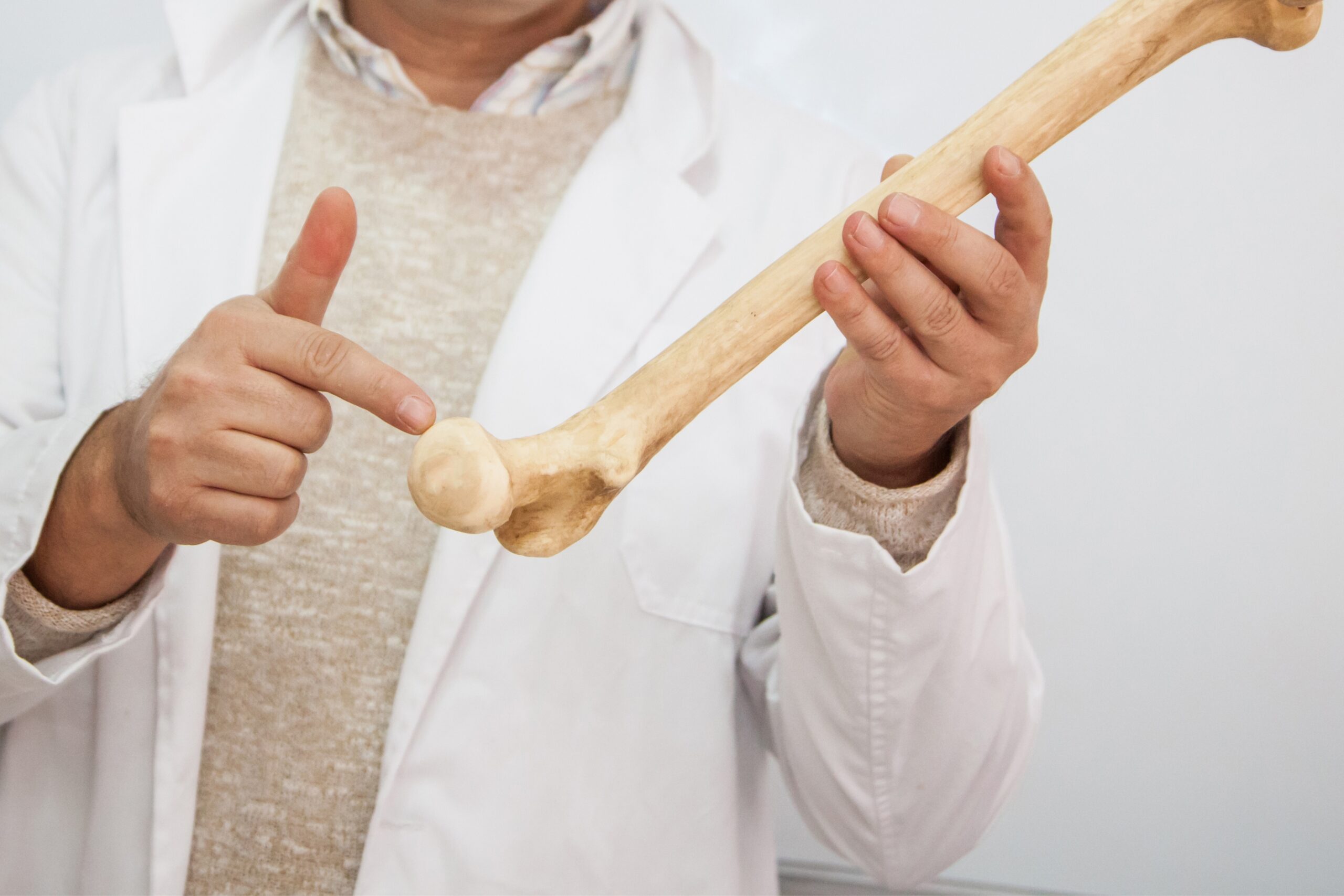
Your bones make movement possible, though people often value them after injuries or aches. By then, rebuilding strength takes much longer than protecting it in the first place. The good news is that balanced meals, regular exercise, sunlight, and smart lifestyle choices can strengthen your bones for years.
Table of Contents
Bones at a Glance
It is a living structure that provides structural support, shields internal tissues, serves as a reservoir for essential nutrients like calcium and phosphorus, and forms new blood components inside marrow. Most adults have 206 bones, whereas newborn babies begin life with about 270 bones that gradually join together as they grow.
| Bone Type | Main Function | Example |
|---|---|---|
| Long | Movement | Femur |
| Short | Stability | Wrist bones |
| Flat | Protection | Skull |
| Irregular | Support | Vertebrae |
| Sesamoid | Reduce friction | Patella |
| Feature | Details |
|---|---|
| Bones in adults | 206 |
| Bones at birth | Around 270 |
| Largest bone | Femur |
| Smallest bone | Stapes (middle ear) |
| Main bone types | Long, Short, Flat, Irregular, Sesamoid |
What Do They Do?
Why Bones Matter More Than You Think
Regular physical activity encourages the growth and strengthening of supportive tissue across your entire body.
A healthy skeleton helps you:
- Support your full body weight
- Protect your brain, heart, and lungs
- Make smooth movement possible
- Store calcium and other essential minerals
- Produce red and white blood cells
- Maintain balance and posture
Think of your skeleton as the steel frame of a house. A fragile foundation weakens everything supported by it. Well-conditioned bones help you stay active during exercise, recreational sports, and morning strolls.
Because bones constantly renew themselves, your daily lifestyle choices matter more than you may realize.
Also Read : Best Mindset Books
Different Types of Bones
Your skeleton contains several types of bones, and each has a unique job.
Long Types
Short Types
Short bones have a compact, cube-like shape. Although small, they provide stability and controlled movement.
Examples
- Wrist bones
- Ankle bones
They help you perform precise movements while maintaining balance.
Flat Types
Irregular Types
These bones have unique forms that differ from all other bone types.
Examples
- Vertebrae
- Pelvis
- Some facial bones
Their unique design helps support your body while protecting important nerves and internal organs.
Sesamoid Types
Also Read : Rock Salt
Also Read : 14 Herbs for Beauty
How Bones Are Built
Although it feels rigid, your skeleton is made of living tissue that constantly renews and repairs itself.
Each bone contains:
- A strong outer compact layer
- A lighter inner spongy layer
- Bone marrow that produces blood cells
- Blood vessels and nerves
- Collagen for flexibility
- Calcium and phosphorus for strength
This remarkable structure keeps bones both strong and surprisingly light.
Also Read : Scrolling Overload
What Bones Do for Your Body
A healthy skeletal system provides far more than proper posture—it forms the foundation for your body’s overall support. It helps your entire body function properly every day.
They Support Movement
They Protect Vital Organs
They Store Important Minerals
They Produce Blood Cells
Numerous skeletal areas house a porous tissue known as bone marrow.
Bone marrow contains stem cells that produce:
- Red blood cells that carry oxygen
- White blood cells that fight infection
- Platelets that help stop bleeding
Healthy marrow strengthens immune defenses and keeps your system functioning efficiently.
Also Read : Detox Your Body
Also Read : Best Cooking Oil
Bones Are Always Changing
Rather than remaining unchanged, the skeleton continues working from birth to old age.
The body constantly regenerates tissue by replacing older cells with new ones. Experts use the term bone remodeling to describe this constant process of renewal.
An active lifestyle builds stronger supporting tissue across your body. However, long periods without movement may gradually weaken them.
Weight-bearing activities such as walking, climbing stairs, strength training, and yoga encourage healthy bone remodeling.
Also Read : Cutlery Sets
Bone Development Timeline
↓
Childhood
↓
Teen years (rapid growth)
↓
Around age 30 (peak bone mass)
↓
Middle age (slow bone loss begins)
↓
Older age (bone protection becomes more important)
Also Read : Cholesterol
What Keeps Bones Strong?
A strong skeleton develops through consistent choices, not quick fixes.
When diet falls short of supplying essential nutrients, a healthcare professional may suggest calcium or vitamin D supplements.
Depending on the cause and severity, a healthcare professional may prescribe medicines, such as bisphosphonates, to help reduce fracture risk.
Also Read : Depression
Also Read : Constipation
Eat Bone-Friendly Foods
A balanced meal provides the nutrients your skeleton needs.
Dairy products, leafy greens, almonds, sesame seeds, seafood, and fish provide excellent sources of these nutrients. If you avoid dairy, fortified plant-based milk, yogurt, and cereals can also help meet your calcium needs. Try to include a source of protein with each meal to support ongoing tissue repair and muscle strength.
| Nutrient | Why It Matters | Good Sources |
|---|---|---|
| Calcium | Bone strength | Milk, yogurt, sesame seeds |
| Vitamin D | Calcium absorption | Safe sunlight exposure, fatty fish, fortified foods |
| Magnesium | Bone formation | Nuts, spinach |
| Protein | Bone repair | Eggs, dairy, beans |
| Phosphorus | Bone structure | Fish, dairy |
| Vitamin K | Supports bone proteins | Leafy greens |
| Zinc | Skeletal growth | Pumpkin seeds, beans |
Also Read : Pumpkin Seeds
Get Enough Vitamin D
| Test | Purpose |
|---|---|
| Bone Density Scan | Measure bone strength |
| Vitamin D Test | Detect deficiency |
| Calcium Blood Test | Check mineral balance |
| X-ray | Detect fractures |
| FRAX Fracture Risk Assessment (when appropriate) | Estimates future fracture risk |
Also Read : Water Bottle
Stay Active Every Day
Exercise places healthy stress on the skeleton, encouraging it to become stronger.
Helpful activities include:
- Walking
- Strength training or resistance band exercises
- Dancing
- Hiking
- Tennis
- Light jogging
- Stair climbing
- Balance exercises
Even a simple daily walk can improve both bone strength and balance.
Imagine two office workers of the same age. One walks daily and does light strength exercises, while the other spends most of the day sitting. Years later, the active person is generally more likely to maintain stronger skeletal strength, better balance and a lower risk of fractures.
Also Read : Sleep Deprivation
Build Healthy Daily Habits
Small daily actions can lead to meaningful improvements over the years.
Try to:
- Stay physically active throughout the day.
- Eat enough protein.
- Stay well hydrated throughout the day.
- Sleep well each night.
- Maintain a healthy body weight.
- Avoid smoking.
- Limit alcohol intake.
These habits support not only your bones but also your muscles, metabolism, heart, and overall health.
Also Read : 19 Powerful Ayurvedic Herbs
Also Read : Trans Fat Myths
Who Should Pay Extra Attention to Bone Health?
Everyone can benefit from a stronger skeleton, but some people should be especially careful.
You may need extra attention if you:
- Are over 50 years old
- Have a family history of osteoporosis
- Spend little time outdoors
- Have a calcium or Vitamin D deficiency
- Exercise very little
- Are recovering from a fracture
- Have hormonal changes after menopause
The earlier you build a strong skeleton, the better it can support you later in life.
| Age Group | Priority |
|---|---|
| Children | Build a strong skeleton through nutrition and play |
| Teenagers | Reach peak bone mass |
| Adults | Maintain bone density |
| Pregnancy | Meet increased calcium needs |
| Older adults | Slow bone loss and prevent falls |
Recommended intakes vary by age, sex, pregnancy, medical conditions, and country-specific guidelines. Follow your healthcare professional’s advice if you have a medical condition.
Also Read : How to Cure Piles
Also Read : Gut Bacteria
Why They Become Weak
| Risk Factor | Why It Matters |
|---|---|
| Aging | Bone loss speeds up |
| Low Vitamin D | Poor calcium absorption |
| Smoking | Weakens skeletal development |
| Physical inactivity | Lowers bone density |
| Family history | Raises osteoporosis risk |
Also Read : Mental Health
Common Bone Problems You Should Know
Healthy bones can still develop problems over time, especially if they do not get proper care.
Some common bone conditions include:
- Osteoporosis: The skeletal system becomes more vulnerable to fractures.
- Fractures: A fall, sports injury, or accident can crack or break a bone.
- Osteomalacia: Low Vitamin D can soften bones in adults.
- Rickets: Children may develop weak bones from severe Vitamin D deficiency.
Other less common conditions include osteopenia (lower-than-normal bone density that is not yet osteoporosis), Paget disease, bone infections, and some bone cancers.
Early care often makes treatment easier. If you notice frequent bone pain, reduced height, poor posture, or repeated fractures, speak with a healthcare professional.
See a healthcare professional if you notice:
- Frequent fractures
- Ongoing bone pain
- Loss of height
- Stooped posture
- Difficulty walking
- Sudden unexplained weakness
- Reduced grip strength
Also Read : How to Improve Your Five Senses Naturally
Simple Ways to Protect Your Bones for Life
Healthy bones develop through consistent everyday practices rather than quick results.
You can begin following these simple recommendations right away:
- Eat calcium-rich foods every day.
- Get safe sunlight exposure to help maintain healthy Vitamin D levels.
- Stay physically active.
- Include strength training in your weekly routine.
- Eat enough protein and other essential nutrients.
- Maintain a healthy body weight.
- Avoid smoking and limit alcohol.
- Reduce your risk of falls by keeping your home safe.
- Have your vision checked regularly and wear supportive footwear to lower your risk of falls.
These small actions work together and can make a big difference over the years.
Also Read : Itching Relief
Also Read : Snoring
Common Mistakes That Weaken Them
Also Read : Boredom Benefits
Common Myths About Bones
| Myth | Reality |
|---|---|
| Bones are lifeless. | They are living tissues that constantly renew themselves. |
| Only older adults need bone care. | Developing healthy bones begins during early childhood and remains an ongoing process throughout adulthood. |
| Calcium alone keeps bones healthy. | Vitamin D, protein, exercise, and other minerals also matter. |
| Physical activity damages bones. | Regular load-bearing activities usually make them stronger. |
Understanding these facts helps you make smarter health decisions.
Also Read : Natural Remedies Backed by Science
How Long Does a Broken Bone Take to Heal?
Also Read : Mindful Tech Use
Also Read : Biohacking
Frequently Asked Questions
How Many Bones Does an Adult Have?
The adult human skeleton typically contains 206 individual bones. Newborns start life with nearly 270 bones, many of which slowly join together as they mature.
Which Foods are Best for Bones?
Does Walking Strengthen Bones?
Yes. Regular walking is a weight-bearing exercise that helps maintain bone strength, balance, and mobility.
Can Weak Bones Become Stronger?
At What Age Should You Start Caring for Your Bones?
Can Exercise Increase Bone Density?
Yes. Regular weight-bearing and resistance exercises help your body maintain or improve bone density over time, especially when combined with enough calcium, protein, and Vitamin D.
Also Read : Sodium Potassium
Quick Bone Facts
- Babies have more bones than adults.
- These living tissues constantly renew themselves.
- The femur is your strongest bone.
- The stapes is your smallest bone.
Bone is one of the strongest tissues in the human body for its weight.
If you’re…
Also Read : Antioxidants
Final Thoughts
Your bones support you every day, so caring for them today can help you stay active and independent for years to come.
Healthy meals, regular exercise, enough Vitamin D, and simple daily habits all work together to protect your skeleton.
Strong bones also help lower the risk of osteoporosis and fractures later in life. The decisions you make now play a major role in your long-term skeletal health. Start with one healthy habit, stay consistent, and let those small actions build stronger bones for years to come.
Also Read : Fiber