
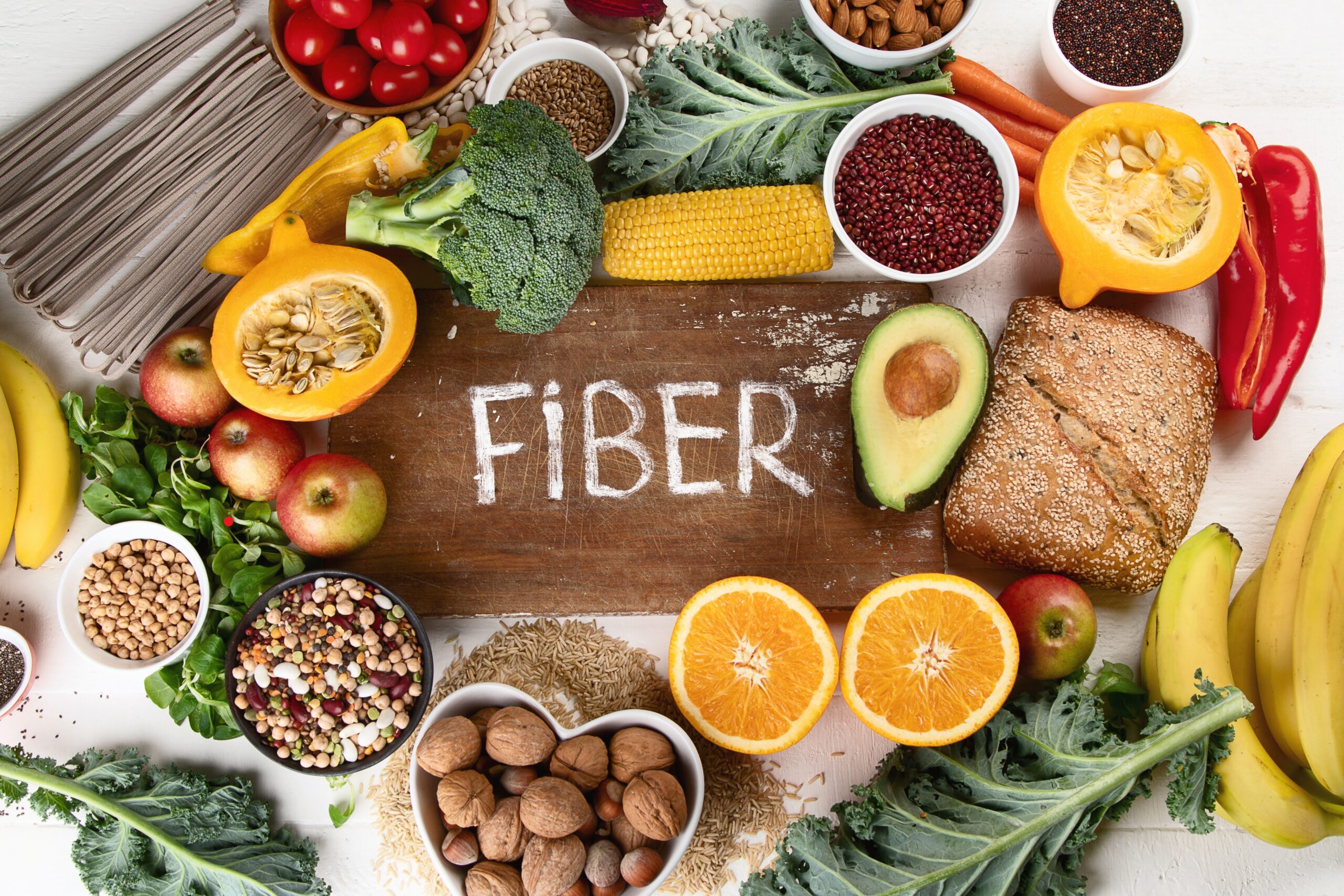
Fiber is often overlooked, but it plays an important role in overall well-being. Protein, vitamins, and supplements often receive the most attention. Meanwhile, they often miss a simple nutrient that helps support gut bacteria, regular bowel movements, and even heart health.
Ongoing constipation, bloating, hunger, or low energy may indicate insufficient intake.
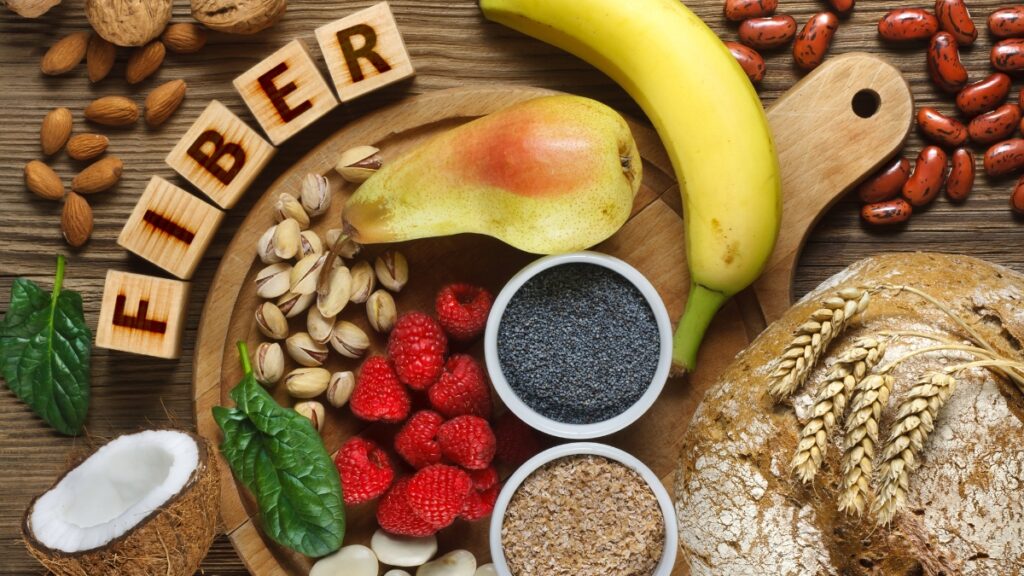
Table of Contents
Understanding Fiber and Its Benefits
You can obtain it from many everyday plant foods. Rather than being fully digested, it moves through the gut largely unchanged. Instead, it moves through your digestive system and supports several key functions.
Fiber can help:
- Support healthy digestion
- Promote regular bowel movements
- Feed beneficial gut bacteria
- Help manage cholesterol levels
- Support stable blood sugar levels
- Increase feelings of fullness
Many individuals fall short of the recommended daily amount.
What Is the Recommended Daily Amount?
Daily needs can vary by age and sex.
- Women: approximately 25 grams daily
- Adult men: about 30–38 grams per day
- Older adults: around 21–30 grams per day
- Children: generally 14–25 grams per day depending on age
Consistently missing these targets may affect overall well-being.
Also Read : El Nino Explained
Also Read : How to Make This Summer Really Cool
Digestion and Gut Health
A healthy digestive system depends on balance. Adequate intake helps create that balance. It helps keep your digestive system functioning smoothly. Certain varieties help feed the beneficial microbes in your digestive system. As those bacteria thrive, they support digestive comfort and overall health.
This helps explain the link between gut health, nutrition, and wellness. Some types are known as prebiotic fibers. They feed beneficial gut bacteria and help them thrive.
Foods such as onions, garlic, oats, bananas, and legumes naturally contain prebiotic compounds.
Also Read : How to Strengthen Your Nerves
Types of Fiber
Soluble Fiber
Also Read : Garlic
Insoluble Fiber
Both types work best when included as part of a varied diet.
Also Read : Itching Relief
Also Read : Study Table for Kids
Best Foods for Daily Wellness
You do not need exotic foods to increase intake.
Some practical choices include:
Fruits
Vegetables
Legumes
- Lentils
- Chickpeas
- Kidney beans
- Horse gram
Nuts and Seeds
Whole Grains
- Oats
- Barley
- Whole wheat products
- Brown rice
Adding just one or two of these foods to each meal can make a noticeable difference over time.
Also Read : Best Mindset Books
Also Read : How to Set The Gym at Home
Top Foods and Their Approximate Content
This overview can help you make smarter food choices.
Also Read : Sleep Well
How to Increase Intake Without Digestive Discomfort
Many people suddenly add large amounts at once and then experience gas or bloating.
A better approach is simple:
- Increase intake gradually
- Drink plenty of water
- Stay physically active
- Spread these foods across meals instead of all at once
- Combine these foods with balanced meals
A short daily walk may ease digestion and improve adaptation.
Also Read : 22 Body Heat Hacks
Also Read : Metabolism Boost
10 Everyday Habits to Get More
Also Read : Scrolling Overload
A Simple High-Fiber Day of Eating
Breakfast
Lunch
Lentil soup with vegetables and whole-grain bread.
Snack
An apple and a handful of walnuts.
Dinner
Chickpea curry with vegetables and brown rice.
This meal pattern supports digestion while providing key nutrients.
Also Read : Detox Your Body
Easy Fiber-Rich Meal Ideas
Try these easy meal ideas for better digestive health:
- Oatmeal with berries and chia seeds
- Lentil soup with vegetables
- Chickpea salad with olive oil dressing
- Whole-grain toast with avocado
- Yogurt topped with fruit and seeds
Simple meals like these can make healthy eating and daily nutrition goals easier to achieve.
Also Read : Depression
Also Read : Joint Pain
Signs You May Need More Fiber
Your body often gives clues.
Common signs include:
- Constipation
- Feeling hungry soon after meals
- Irregular bowel movements
- Digestive sluggishness
- Difficulty maintaining a healthy weight
While these symptoms can have different causes, low intake is often part of the picture.
Weight Management and Fullness
This nutrient may help promote longer-lasting feelings of fullness. As a result, you may feel less tempted to snack between meals.
Many of these foods also require more chewing, which can slow eating and help you recognize fullness signals sooner.
For people following a calorie deficit or fat-loss plan, these foods can make healthy eating feel more satisfying.
Heart Health Benefits
Certain soluble types may support healthy cholesterol levels.
Oats and barley contain beta-glucan, a type of dietary carbohydrate that has been studied for its potential role in supporting heart health.
Including these foods regularly may be a simple way to support both digestion and cardiovascular wellness.
Blood Sugar Balance
Also Read : How to Improve Your Eyesight
Can You Get Too Much of It?
Yes. More is not always better.
Very high intake without enough water may lead to:
- Gas
- Bloating
- Abdominal discomfort
- Changes in bowel habits
- Reduced absorption of certain minerals when extremely high amounts are consumed over long periods.
The goal is balance, not extremes.
Also Read : Trans Fat Myths
Common Signs of Excess Intake
Also Read : Snoring
Also Read : Migraine
Who Should Pay Extra Attention to Fiber Intake?
Certain groups may benefit from discussing intake with a healthcare professional.
These include:
- People with diabetes
- Individuals with IBS or sensitive digestion
- Pregnant women
- Older adults
- People recovering from digestive illnesses
The ideal amount and type consumed can vary depending on individual needs.
Also Read : Uric Acid
Other Wellness Habits That Support Digestion
Also Read: How to Improve Your Memory & Focus
Also Read : How to Improve Your Five Senses
A Common Myth
Also Read : Toothache
Whole Foods or Supplements?
Whole foods should usually be your first choice because they provide essential nutrients, antioxidants, and other beneficial compounds alongside fiber.
However, some people struggle to meet daily nutrition goals through food alone.
In those cases, supplements such as psyllium husk may help fill the gap. They should support balanced eating rather than replace naturally nourishing foods.
Also Read : Why Boredom is Important for You
Also Read : Biohacking
Frequently Asked Questions
How Much Fiber do Adults Need Daily?
A daily intake of roughly 25 to 35 grams suits most adults.
Which Foods Contain The Most Fiber?
Lentils, beans, chia seeds, berries, avocados, and vegetables rank among the best sources.
Is it Good for Constipation?
Yes. Adequate fiber and water intake can help support regular bowel movements.
What is The Best Fiber for Constipation?
Does it Help with Weight Management?
It may help you feel full longer, which can support healthy eating habits.
What is The Best Time to Eat Fiber?
Spread fiber-rich foods throughout the day instead of consuming large amounts at one meal.
Is Psyllium Husk a Good Source of Fiber?
Psyllium husk is a popular fiber supplement that can help increase your daily intake when used appropriately.
Can it Cause Bloating?
Yes. Sudden increases may result in temporary digestive discomfort or gas. Increasing intake slowly and staying well hydrated may ease discomfort.
Is Oatmeal High in Fiber?
Yes. Oatmeal is a nutritious whole grain choice, especially soluble fiber called beta-glucan. It can help support fullness, digestive health, and healthy cholesterol levels.
Also Read : Meditation
Final Thoughts
This nutrient does much more than support regular bowel movements. It helps support beneficial gut bacteria, digestive ease, and overall well-being. Regular habits can lead to noticeable benefits over time. Including more fruits, vegetables, legumes, seeds, and whole grains can support digestive comfort and lasting wellness.
Also Read : Mindful Tech Use