Zinc often receives little attention despite supporting numerous body functions.
Have you ever slept well but still felt low on energy? Or ever wonder why your focus varies from day to day? Zinc intake is one of several factors affecting everyday energy.
Because storage is limited, regular dietary intake is important. When your intake falls short, your energy, focus, and overall wellness may suffer over time.
Table of Contents
Why Your Body Needs Zinc Every Day
Many important biological processes require this nutrient.
This essential mineral helps with:
- Energy production
- Immune function
- Cell growth and repair
- Hormone regulation
- Brain function
- Protein synthesis
- Wound healing
Your body is unable to produce this nutrient naturally. Wholesome foods help meet your body’s overall nutrition.
Many people think of energy only in terms of calories. However, nutrient quality matters just as much.
How This Mineral Supports Lasting Energy
Also Read : Best Mindset Books
Also Read : Study Table for Kids
Metabolism and Energy Production
It helps facilitate enzyme actions throughout the body. This helps your body utilize nutrients in a more efficient way. A deficiency may limit the performance of these systems.
Supports Healthy Hormone Function
Helps Maintain Immune Health
Also Read : Psyllium Husk Benefits (Isabgol)
Signs You May Not Be Getting Enough Zinc
Low nutrient levels can affect people differently.
These symptoms can have many causes. Consider professional advice if multiple symptoms appear simultaneously.
Common reasons for inadequate intake may include:
- Limited dietary variety
- Intestinal issues that limit nutrient
- Restrictive eating patterns absorption
- Increased needs during pregnancy or breastfeeding
Over time, inadequate intake may affect immune function, wound healing, and overall wellness.
Also Read : Cumin Seeds Benefits
Best Foods for Daily Energy
Nutrient Content in Common Foods
Also Read : Cutlery Sets
Plant-Based Sources
Also Read : Sleep Well
Also Read : 22 Body Heat Hacks
Brain Performance and Focus
Your brain needs nutrients to perform well. It helps maintain normal signaling between brain cells. It contributes to normal cognitive processes, learning, and memory.
Improved concentration can support more consistent energy. Nutrient-dense foods complement habits that promote brain health and healthy aging.
Also Read : 14 Foods You Should Never Refrigerate
Foods That Pair Well With Zinc
Also Read : Scrolling Overload
Can It Help Exercise Recovery?
Physical activity places temporary stress on the body. It contributes to recovery and protein creation. This can aid post-workout recovery and repair.
Many active people combine nutrient-rich foods with:
Collectively, these practices promote restoration and greater physical capability.
Also Read : Sleep Deprivation
Also Read : Body Detox
Other Health Benefits
- Supporting normal skin repair processes
- Supporting healthy growth and development
- Helping maintain reproductive health
- Contributing to normal eye function
- Supporting healthy blood sugar regulation as part of overall metabolism
Also Read : Constipation
Should You Take a Supplement?
Most people get sufficient amounts from everyday foods.
Additional supplementation may be helpful in cases such as:
- Restricted diets
- Nutrient deficiencies
- Digestive conditions affecting absorption
- Specific medical recommendations
More is not always better. Overconsumption may interfere with other nutrients and trigger unwanted effects. Therefore, supplement use should follow professional guidance.
Best Time to Take This Mineral
Signs of Excess Intake
Excess intake may cause unwanted effects.
Possible signs include:
- Nausea
- Vomiting
- Stomach discomfort
- Metallic taste
- Headaches
- Reduced appetite
Long-term excessive intake may also affect copper balance in the body.
Common Supplement Forms
| Form | Common Use |
|---|---|
| Zinc gluconate | General supplementation |
| Zinc citrate | Popular and well absorbed |
| Zinc picolinate | Common supplemental form |
| Zinc oxide | Often found in multivitamins |
Different forms may vary slightly in absorption and tolerance.
Supplement Interactions
Some supplements may interact with certain medications.
Examples include:
- Some antibiotics
- Certain diuretics
- Penicillamine and related medications
If you take prescription medicines regularly, ask a healthcare professional before starting supplements.
Also Read : Itching Relief
Who May Need More of This Mineral?
Certain populations may be at increased risk of low intake.
These may include:
- Vegetarians
- Vegans
- Older adults
- Pregnant women
- Breastfeeding mothers
- People with digestive disorders
Also Read : How to Relieve Toothache
Also Read : Obesity
Recommended Daily Intake
Nutrient needs can vary by age, sex, and life stage.
Personal nutrient needs may vary and can be professionally assessed.
Also Read : Why Boredom is Important for You
Simple Ways to Improve Intake Naturally
Small adjustments can produce meaningful outcomes over time.
Try these practical ideas:
- Add pumpkin seeds to oatmeal
- Include eggs at breakfast
- Snack on nuts instead of chips
- Add beans to soups and salads
- Choose yogurt with fruit
- Include lean meat or seafood regularly
Practical approaches can encourage healthier food choices.
Also Read : Best Indoor Games
Food Swaps for Better Nutrition
Also Read : Mindful Tech Use
Common Myths
Only Supplements Provide Enough Zinc
More Zinc Means More Energy
Zinc Only Supports Immunity
Immune health is important, yet zinc also supports metabolism, cellular repair, brain function, and hormone activity.
Also Read : How to Keep Your Mind Calm During Panic News
Key Benefits at a Glance
| Benefit | How It Helps |
|---|---|
| Fuel Production | Assists nutrient conversion |
| Immune Health | Supports immune cells |
| Brain Function | Supports learning and memory |
| Recovery | Helps tissue repair |
| Hormone Health | Supports normal hormone activity |
| Healthy Aging | Supports cellular function |
Also Read : Rock Salt Benefits
Also Read : How to Strengthen Your Nerve
Frequently Asked Questions
What Does Zinc Do for Energy?
Which Foods Contain The Most Zinc?
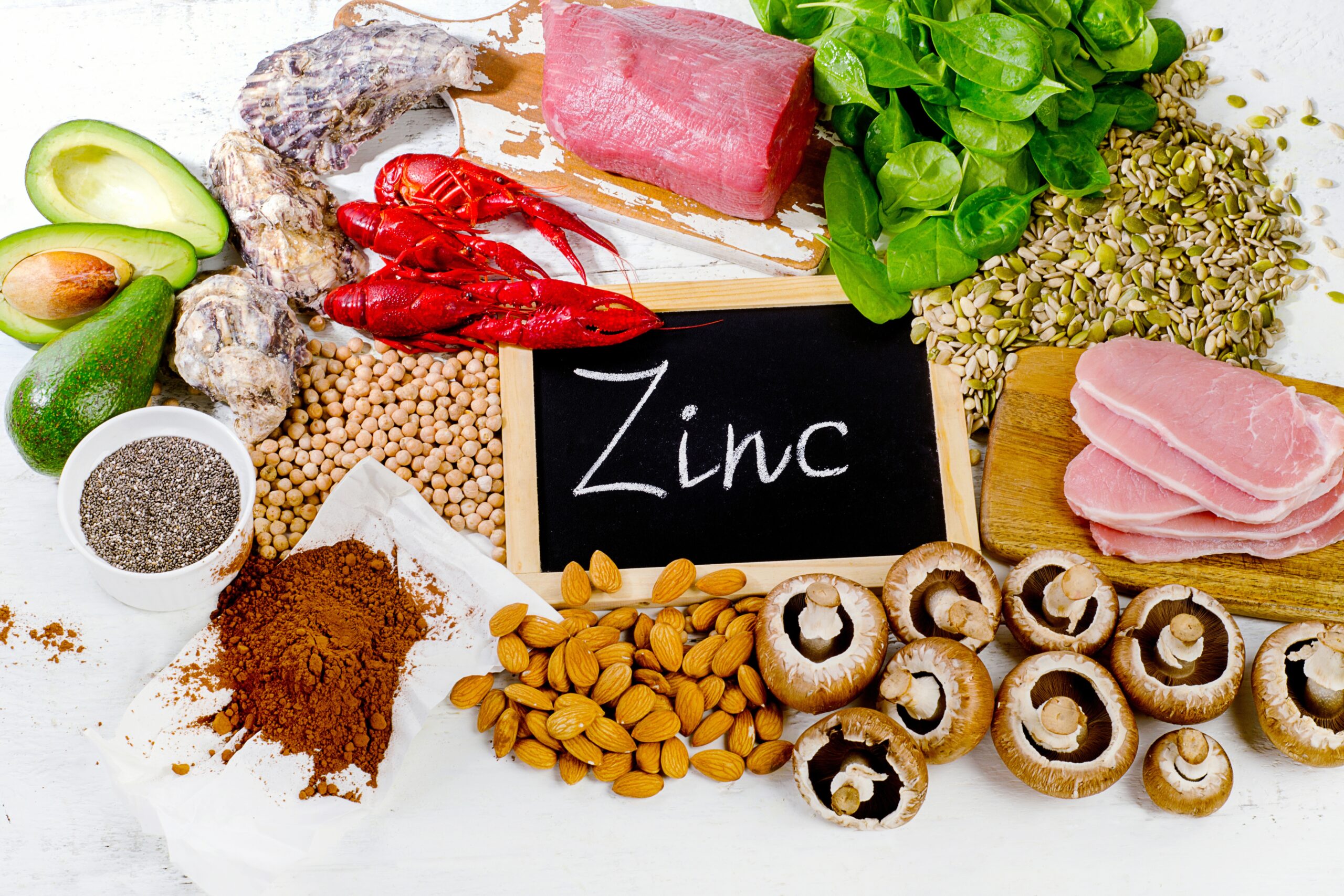
Zinc can be obtained from seafood, meat, beans, and dairy.
Can Low Zinc Cause Fatigue?
Low intake may contribute to low energy levels in some people.
Should Zinc Come From Food or Supplements?
Food is usually the preferred source because it provides other beneficial nutrients as well.
Can Vegetarians Get Enough Zinc?
When Should You Eat Zinc-Rich Foods?
Any time works. Regular consumption matters more than exact timing.
How Does Zinc Relate to Common Cold Symptoms?
Can This Mineral Cause Nausea?
Yes. Some people experience nausea when taking zinc supplements, especially on an empty stomach.
Can Zinc Be Part of a Daily Routine?
For most healthy adults, zinc is safe when consumed within recommended amounts from food or supplements.
Can This Mineral Improve Testosterone?
This mineral helps support normal hormone production. People with inadequate levels may benefit from correcting a deficiency. However, taking extra zinc does not automatically increase testosterone in people who already have adequate intake.
Also Read : How to Make This Summer Cool
Final Thoughts
Various key body processes require this nutrient each day. While no single nutrient can solve every energy problem, it plays a valuable role in metabolism, immune health, brain function, and recovery.
Fortunately, simple habits are often enough. Simple choices like eating more zinc-rich foods, staying active, sleeping well, and maintaining balanced meals can make a meaningful difference over time.
Lasting energy usually comes from consistent habits—not quick fixes. Zinc represents one element of a balanced routine.
Also Read : El Nino