
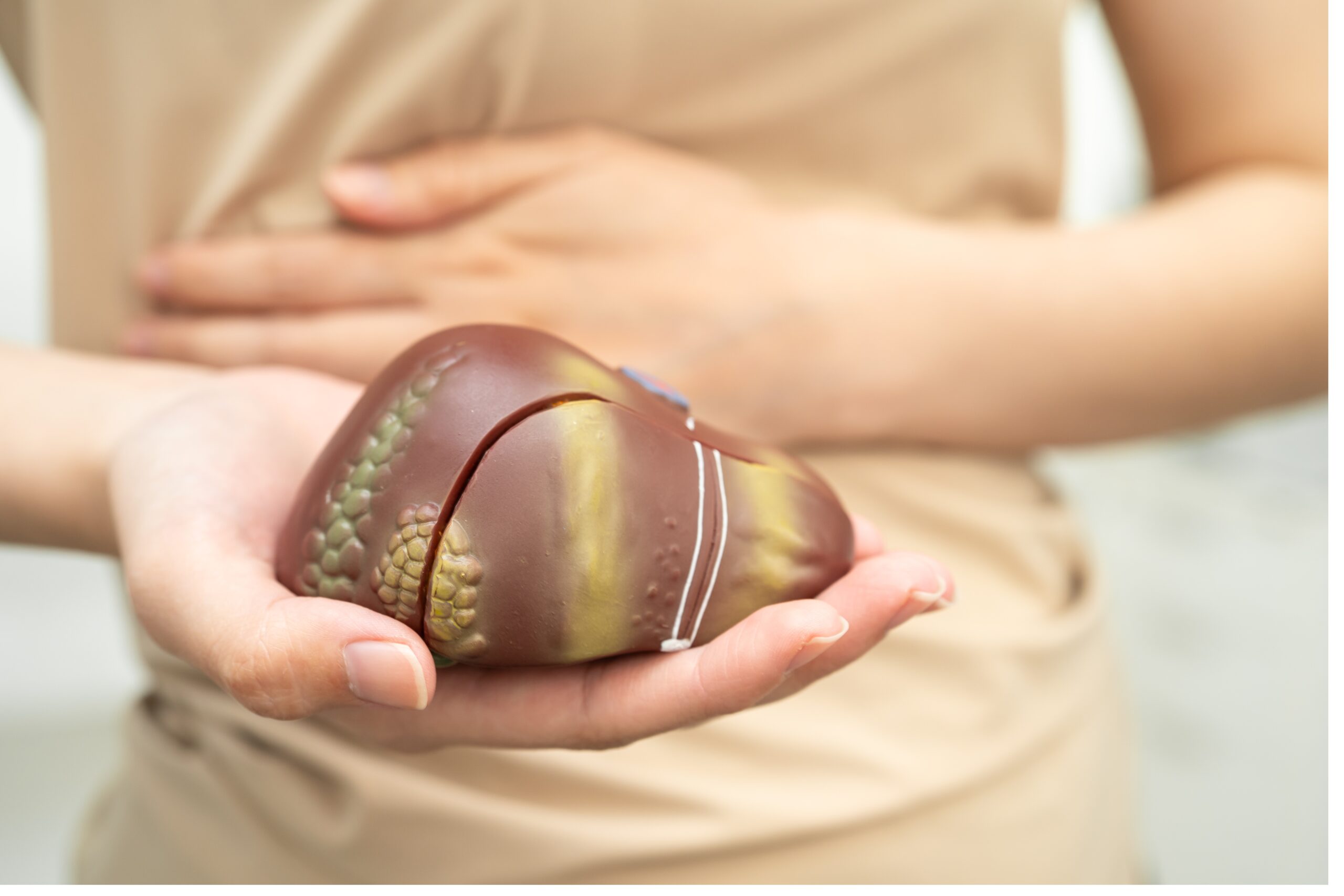
Fatty Liver often develops silently, and many people discover it only during a routine health check. You might feel fine, yet your liver could already be under stress. That’s the real danger—it hides until damage begins. Ignoring it for too long can lead to permanent liver damage. The good news? If you act early, you can often reverse it, especially in the early stages.
Many people discover fatty liver during a routine blood test, even when they feel completely normal. That surprise moment often becomes the turning point for better health.
Let’s simplify this in an easy, practical way.
Table of Contents
Fatty Liver (Quick Definition)
Fatty Liver is a condition when too much fat collects in your liver.
It often shows no symptoms early but can lead to serious damage over time.
Early lifestyle changes can help reverse it.
There are two main types:
- Non-alcoholic fatty liver: linked to weight, diet, and metabolism
- Alcohol-related fatty liver: caused by heavy alcohol intake
At first, it may seem harmless. Still, if ignored, it can slowly progress into serious conditions.
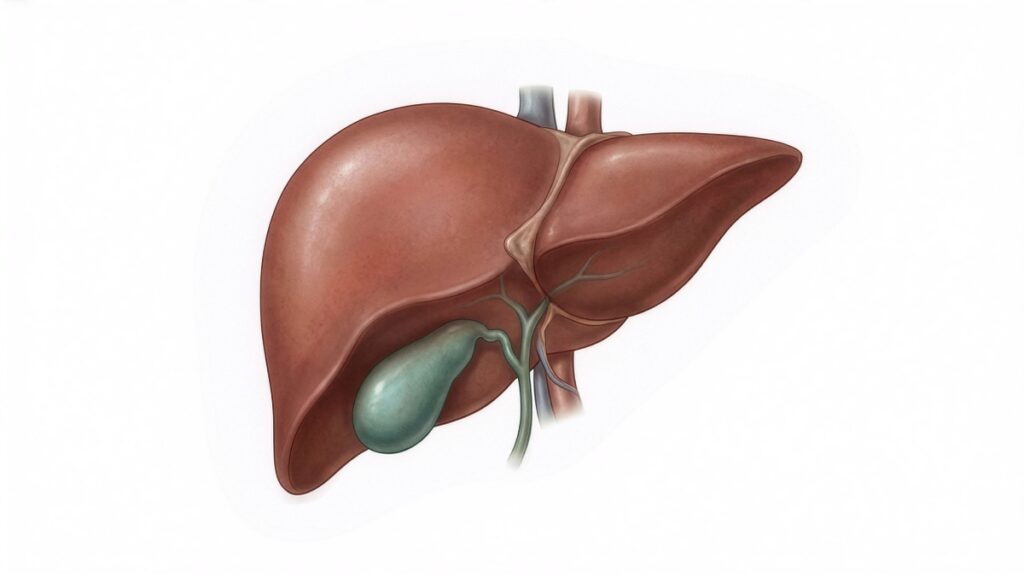
Also Read : Anti-Aging
Symptoms and Early Warning Signs
Most people don’t notice symptoms early. Yet your body often gives small hints.
Watch for:
- Constant tiredness
- Mild pain in the upper right abdomen
- Feeling heavy after meals
- Unexplained weight changes
As it progresses, symptoms may include:
These signs may look small. However, they signal that your liver needs attention.
These are early fatty liver symptoms that people often miss. As a result, the condition becomes harder to reverse later.
Also Read : Vitamin D Deficiency
How This Condition Progresses Over Time
Fatty liver develops in stages. Every step progresses from the last.
- Simple fatty liver
Fat builds up but causes little harm.
- Inflammation (steatohepatitis)
The liver becomes irritated and swollen.
- Fibrosis
Scar tissue starts forming.
- Cirrhosis
Severe scarring affects liver function.
Early stages are often reversible. Later stages are harder to manage. That’s why early action matters. Advanced stages like cirrhosis are usually not fully reversible, but progression can still be slowed with proper care.
In many cases, fatty liver can progress from simple fat buildup (NAFLD) to a more serious condition called NASH, where inflammation increases the risk of liver damage.
Also Read : Calcium Deficiency
Common Causes You Should Know
Fatty liver doesn’t happen overnight. It builds up due to lifestyle and health factors.
Key causes include:
- Being overweight or obese
- High sugar intake
- Sedentary lifestyle
- Type 2 diabetes
- High cholesterol or triglycerides
Alcohol can also damage the liver. Even without alcohol, poor diet and low activity play a big role. Fatty liver is rising fast, mainly due to today’s lifestyle habits.
For example, frequent junk food and sugary drinks can overload your liver. Over time, fat starts to accumulate.
If you have diabetes, your liver may store more fat than usual.
If you are overweight, even small weight loss can improve liver health quickly. In such cases, early lifestyle changes can make a significant difference.
Also Read : Hair Care
Also Read : Snoring Alert
How Doctors Detect Fatty Liver
Diagnosis is usually simple and painless.
Doctors may suggest:
These tests often check liver enzymes like ALT and AST, which can indicate liver stress. However, normal reports do not always rule out early fatty liver, which is why imaging tests are often used.
Sometimes, additional tests help confirm the stage. Catching it early really helps you out.
Also Read : Migraine Relief
Treatment: What Actually Works
There’s no quick fix or magic solution for fatty liver. However, the good news is clear—lifestyle changes work very well.
According to global health organizations like World Health Organization, lifestyle changes such as diet and physical activity are the most effective ways to manage fatty liver in early stages. Many doctors also recommend gradual weight loss rather than quick diets for long-term results.
You can improve your liver by:
- Losing excess weight gradually
- Staying physically active
- Reducing sugar and processed foods
- Limiting or avoiding alcohol
Losing just 5–10% of body weight can bring noticeable improvements. Daily small habits lead to lasting, long-term health results.
These methods are widely recommended by doctors and supported by clinical research.
Many studies show early-stage cases often improve with steady lifestyle changes. Experts also recommend at least 150 minutes of moderate physical activity per week for better liver health.
Also Read : Sciatica
Diet Plan: Simple Changes That Help
| Do Eat | Avoid |
|---|---|
| Fruits & vegetables | Sugary drinks |
| Whole grains | Fried foods |
| Nuts & seeds | Processed snacks |
| Lean protein | Refined carbs |
Choosing healthier snacks can support your overall nutrition and help you stay consistent with your diet plan.
Include simple fatty liver diet foods like fruits, nuts, and whole grains. Instead of strict dieting, focus on sustainable food choices you can follow daily. Consistency is what drives real improvement.
Also Read : Clove Benefits
Also Read : Mulethi
Lifestyle Habits That Support Liver Health
Your everyday habits play a bigger role than you might realize.
Start with these:
- Walk at least 30 minutes daily
- Sleep 7–8 hours regularly
- Stay hydrated
- Manage stress through meditation
Stress affects your body deeply. Practicing simple breathing or mindfulness can support overall health.
You may also explore habits like dopamine detox to reduce cravings— this can support better food choices and help you stay consistent over time. Avoid late-night heavy meals, as they can increase fat storage in the liver.
Regular walking and light strength training are among the most effective ways to reduce liver fat.
Also Read : Improve Your Focus and Memory
Can Fatty Liver Be Reversed?
Yes, in many cases, it can. If you act early, your liver can heal itself. That’s the beauty of this organ—it has strong recovery power.
However, consistency is key. Quick fixes don’t work here. Instead, focus on:
Many people have successfully improved their condition with simple habits, and you can too with consistent effort. Think of it like a slow reset, not a fast cure.
Also Read : How to Improve Your Five Senses Naturally
Prevention Tips That Actually Work
Prevention is always easier than treatment.
Follow these simple steps:
- Maintain a healthy weight
- Avoid excess sugar
- Exercise regularly
- Limit alcohol intake
- Monitor your health with regular checkups
Also, improving your mindset helps. A growth mindset can keep you consistent with healthy habits.
Also Read : Itching Relief
Quick Daily Checklist
Also Read : Why Boredom is Important for You
Quick Summary
Also Read : Biohacking
Also Read : Elaichi (Cardamom Benefits)
FAQs
Can fatty liver go away on its own?
It may improve if you make healthy lifestyle changes. Without changes, it can worsen.
Is fatty liver dangerous?
In early stages, it’s manageable. However, advanced stages can lead to serious complications.
Which exercises work best for improving fatty liver?
Brisk walking, cycling, and strength training all help. Consistency matters most.
How much time is needed to improve fatty liver?
Fatty liver recovery time depends on your habits. Many people see improvement within a few months.
How Much Weight Loss Is Enough?
Losing 5–10% of body weight can greatly lower liver fat.
Why Lifestyle Changes Work Better Than Medicine
Your liver responds quickly to consistent daily habits, especially changes in diet and physical activity.
Also Read : Natural Remedies
Final Thoughts
The earlier you act, the easier it is to fully reverse. Delaying action can slow recovery and make it more challenging.
Start with three simple steps today—reduce sugar, walk daily, and stay consistent. Most people fail because they try extreme diets. Instead, simple and consistent habits work better. If you often feel tired or notice unusual symptoms, consider getting your liver checked. Simple steps today can help avoid serious issues later. Don’t wait for symptoms to get worse—this is the easiest stage to fix. Take action now while your liver can still improve significantly.
Also Read : Aloe Vera