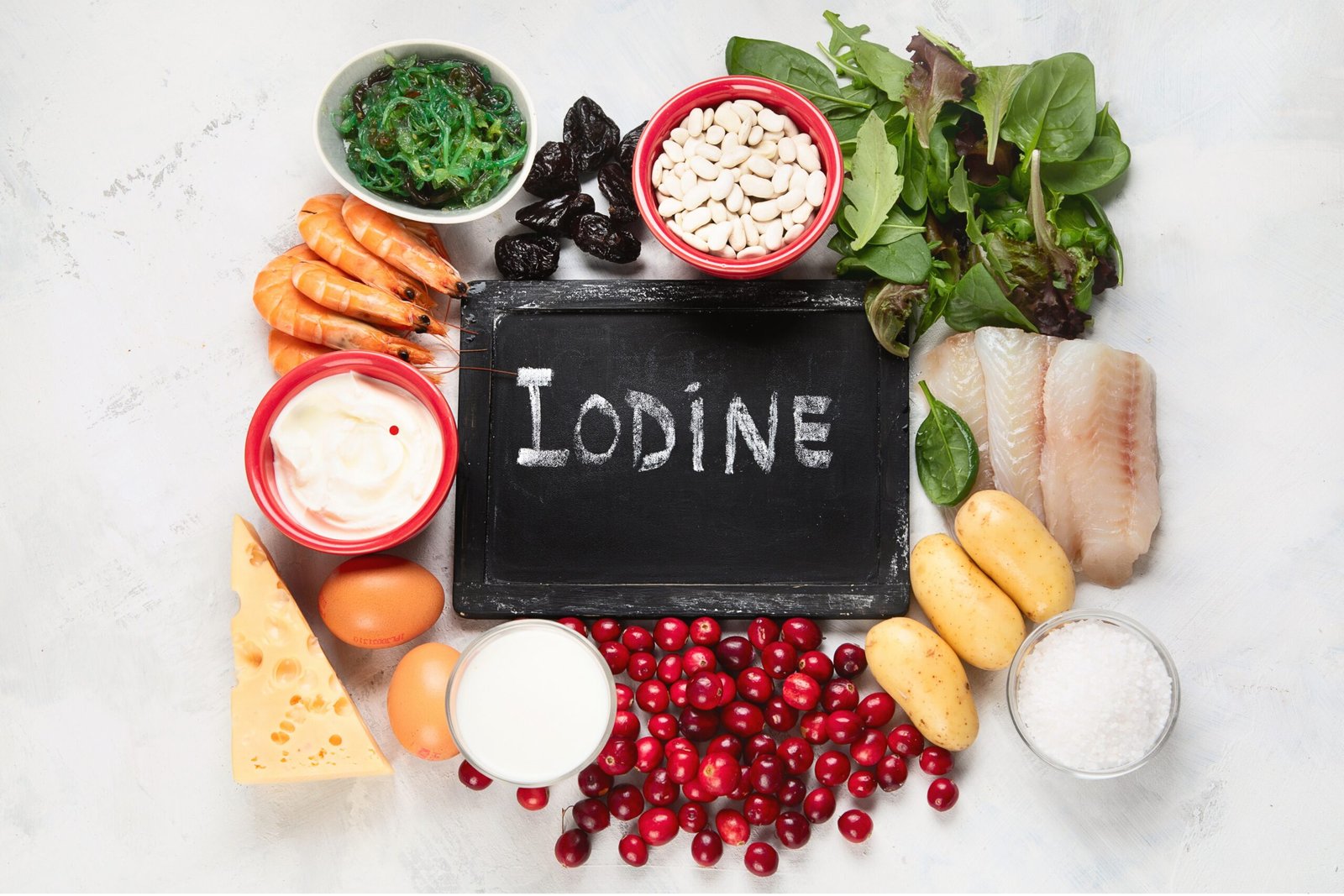
Iodine is an essential trace mineral your body needs to make thyroid hormones. These hormones regulate metabolism, brain development, growth, body temperature, and energy production. Since your body cannot produce it, you must obtain it through foods such as seafood, dairy products, eggs, and iodized salt. Most adults need about 150 mcg daily.
Table of Contents
Iodine is Small, Yet it Affects Nearly Every Cell
You probably don’t think about it while planning breakfast or dinner. Yet this tiny mineral quietly supports many of the body’s most important functions every single day.
Your thyroid depends on it to produce hormones that influence metabolism, energy, body temperature, heart function, and even how efficiently your brain works. When your intake stays balanced, your body performs these jobs more smoothly. However, too little—or sometimes too much—can gradually affect your health.
Many people focus on vitamins, protein, or calcium but rarely consider it. Because your body cannot produce it naturally, every balanced meal gives you another opportunity to meet your daily needs.
The good news is that making better choices is often simple. A few everyday foods can help you meet your iodine needs without making your diet complicated.
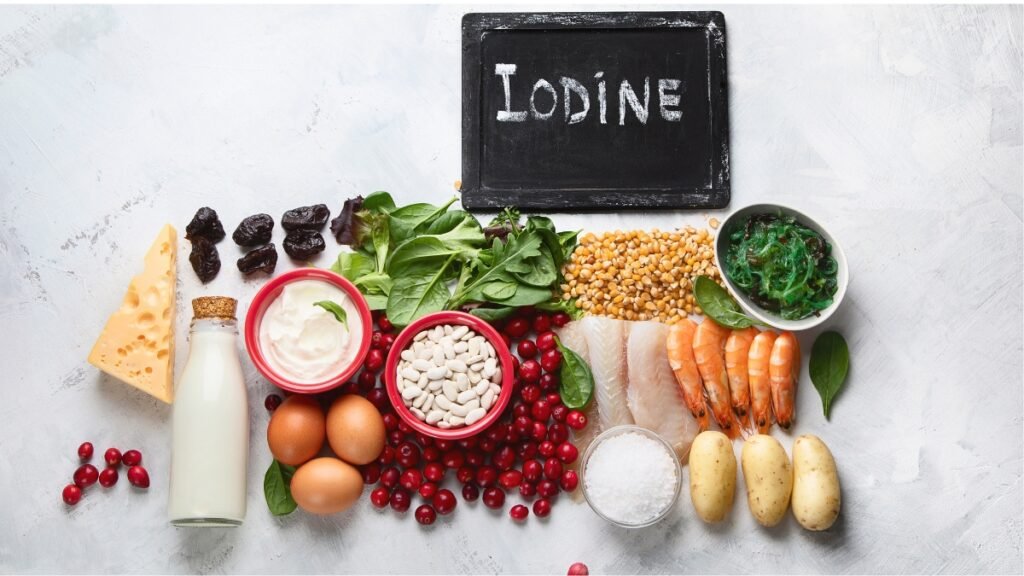
Also Read : Cholesterol
What is Iodine?
It is an essential trace mineral. Although your body needs only a small amount, it performs several vital tasks that keep you healthy.
Its primary role is helping your thyroid gland make two important hormones:
- Thyroxine (T4)
- Triiodothyronine (T3)
These hormones help regulate many body functions, including:
- Energy production
- Metabolism
- Body temperature
- Growth and development
- Brain function
- Heart rate
- Healthy skin and hair
Think of it as an essential ingredient your thyroid uses to make hormones. Without enough iodine, your thyroid cannot produce these hormones efficiently.
Unlike iron, your body stores only a limited amount of it, mainly inside the thyroid gland. That is why regularly eating iodine-rich foods matters more than consuming large amounts occasionally.
Also Read : Diabetes
Why Your Body Needs Iodine
Every organ depends on thyroid hormones in some way. Since it helps produce those hormones, it indirectly supports many systems throughout your body.
Some of its most important benefits include:
- Supports a healthy metabolism
- Helps maintain steady energy
- Promotes normal brain function
- Supports memory and concentration
- Contributes to healthy growth in children
- Supports fetal brain development during pregnancy
- Helps regulate body temperature
- Supports healthy skin and hair
Many of these benefits develop quietly over time. You may never notice them until your intake becomes too low.
Also Read : Detox Your Body
Iodine and Your Thyroid
Your thyroid is a small, butterfly-shaped gland located at the front of your neck. Despite its size, it influences nearly every cell in your body.
When it enters your bloodstream, the thyroid absorbs this mineral and combines it with the amino acid tyrosine to produce thyroid hormones.
Those hormones then travel throughout your body, helping regulate:
- How quickly you burn calories
- Your energy levels
- Heart rhythm
- Digestion
- Body temperature
- Hormonal balance
If your intake stays too low for a long time, your thyroid may not produce enough hormones to keep up with your body’s needs.
Your thyroid also needs selenium to help activate and regulate thyroid hormones. Getting enough of it without enough selenium may not support thyroid function as effectively. Foods such as Brazil nuts, eggs, seafood, and whole grains provide selenium naturally.
Your brain also releases thyroid-stimulating hormone (TSH). When iodine intake falls, TSH rises to encourage the thyroid to produce more hormones. This feedback system helps keep hormone levels balanced.
Also Read : Joint Pain
How Iodine Works Inside Your Body
Understanding the process makes it easier to see why it matters.
Food containing iodine
⬇
Digestion
⬇
Iodine enters the bloodstream
⬇
Thyroid gland absorbs iodine
⬇
T3 and T4 hormones are produced
⬇
Hormones travel throughout the body
⬇
Metabolism, growth, brain function, and normal body processes remain supported
Each step depends on the one before it. If your diet provides too little iodine, this chain can become less efficient over time.
Also Read : How to Improve Your Eyesight
Deficiency is More Common Than Many People Realize
Although iodized salt has reduced deficiency in many countries, some people still struggle to get enough of it.
Your risk may be higher if you:
- Rarely eat seafood
- Avoid dairy products
- Follow a strict vegan diet without careful planning
- Use only non-iodized specialty salts
- Eat very little overall because of restrictive dieting
- Live in areas where soil naturally contains little iodine
Pregnant and breastfeeding women also need more of it because their babies rely on them for healthy brain and nervous system development.
Fortunately, simple food choices often make a meaningful difference before deficiency becomes severe.
Also Read : Scrolling Overload
Early Signs You May Not Be Getting Enough
Iodine deficiency usually develops gradually instead of overnight.
Possible warning signs include:
- Feeling tired often
- Feeling unusually cold
- Dry skin
- Hair thinning
- Difficulty concentrating
- Slower thinking
- Mild weight gain
- Constipation
- Swelling at the front of the neck in some cases
These symptoms can have many causes besides iodine deficiency. That is why you should always speak with a healthcare professional instead of trying to diagnose yourself.
If deficiency is suspected, your healthcare professional may recommend thyroid function tests or other medical assessments instead of relying on symptoms alone.
Also Read : Snoring
Iodine Food Sources That Help You Stay Healthy
Since your body depends entirely on dietary iodine, daily food choices matter. The good news is that many common foods naturally provide this important mineral.
Some foods contain iodine because they grow in iodine-rich environments. Others, such as iodized salt, have iodine added during production.
The goal is balance. Eating a variety of nutritious foods usually works better than relying on one source alone.
| Food Group | Examples | Why They Help |
|---|---|---|
| Seafood | Cod, shrimp, tuna | An excellent natural source |
| Marine algae | Nori, wakame | One of nature’s richest sources |
| Dairy | Milk, yogurt, cheese | Often provides consistent iodine |
| Eggs | Whole eggs | Yolk contains most iodine |
| Fortified table salt | Iodized table salt | Easy way to improve intake |
| Iodine-fortified food choices | Selected grain products and breakfast cereals | Varies by country and brand |
Choose whole foods whenever possible. They provide protein, calcium, vitamin B12, and other health-supporting compounds.
Natural vs Fortified Sources
| Natural Sources | Fortified Sources |
|---|---|
| Fish | Enriched table salt |
| Kelp | Fortified cereals |
| Eggs | Fortified plant milk |
| Milk | Iodine-fortified grain products |
Also Read : Gym Setup at Home
Which Iodine Foods are Best for You?
No single food suits everyone. Your lifestyle, preferences, and health goals all matter.
If you eat seafood
- Fish once or twice weekly often helps meet needs.
If you’re vegetarian
- Milk
- Yogurt
- Cheese
- Eggs
- Iodized salt
These foods usually provide reliable amounts.
If you’re vegan
Plant foods naturally contain less iodine. Consider:
- Fortified foods
- Iodized salt
- Include kelp only occasionally
Seek medical advice before using supplements if your diet lacks iodine-rich foods.
Indian Foods Rich in Iodine
Include
- Milk
- Curd
- Paneer
- Eggs
- Fish
- Iodized salt
- Shellfish
Dal, roti, and vegetables become better sources when prepared with iodized salt.
Also Read : Sciatica
Daily Needs Change Throughout Life
*Adequate Intake values.
Rather than counting every microgram, focus on eating a balanced diet with several iodine-containing foods during the week.
Upper Safe Limit for Adults
Most healthy adults should not regularly exceed 1,100 micrograms (mcg) of it per day unless advised by a healthcare professional. Regularly exceeding this level could raise thyroid-related risks for certain individuals.
Also Read : How to Cure Piles
During Pregnancy and Childhood
Expectant mothers need enough iodine to support their own and baby’s growth. During early development, a baby’s brain and nervous system rely heavily on thyroid hormones. If intake remains too low for a long period, healthy development may be affected. Young children also need adequate amount because their brains and bodies continue growing rapidly.
Instead of guessing, pregnant women should always follow guidance from their healthcare professional regarding supplements and nutrition.
Also Read : Gut Bacteria
Goitrogen Foods Explained
Some natural plant compounds can slightly reduce how efficiently the thyroid uses iodine. These are called goitrogens.
Foods containing these compounds include:
- Broccoli
- Cabbage
- Cauliflower
- Kale
- Brussels sprouts
- Soy foods
This sounds alarming, but it usually isn’t. These vegetables offer plant roughage, protective compounds, trace elements, and complete nourishment. Heat reduces the effects of numerous goitrogen-producing substances. Eating a varied diet with enough iodine usually prevents problems.
There is no need to avoid these nutritious vegetables unless your healthcare provider advises otherwise.
Does Cooking Reduce Iodine?
Preparing food may decrease this mineral as it leaches into broth and disperses with heat. The quantity changes with the food and preparation technique.
To help preserve nutrients:
- Choose steaming over prolonged boiling to preserve more nutrients.
- Avoid overcooking Marine foods.
- Add iodized salt near the end of cooking when practical.
- Use only the amount of salt needed for flavor and health.
Remember, eating enough iodine does not mean eating large amounts of salt.
Also Read : How to Improve Your Five Senses Naturally
Can You Get Too Much Iodine?
Yes. More is not always better. Some people believe taking extra iodine automatically improves thyroid health. However, consuming excessive may disrupt healthy thyroid activity in some people.
Possible sources of excess iodine include:
- Eating too much kelp every day
- Unnecessary supplements
- Certain medications
- Multiple fortified products used together
The safest approach is balance. Most nutritious eating patterns provide adequate iodine without overconsumption. Prioritize dietary iodine unless your healthcare provider suggests supplementation.
Let foods remain your main source unless supplements are professionally recommended.
Also Read : Best Mindset Books
Deficiency vs. Too Much
| Too Little Iodine | Too Much Iodine |
|---|---|
| Reduced thyroid hormone production | May disrupt normal thyroid activity |
| Persistent fatigue | Possible thyroid dysfunction |
| Increased sensitivity to cold | Some people may experience thyroid-related effects |
| Enlargement of the thyroid (goiter) | Commonly associated with excessive iodine intake |
| Reduced mental focus | Frequently linked to excess supplements or large amounts of marine algae |
Neither extreme supports good health. A balanced diet remains the safest long-term strategy.
Also Read : How to Relieve Toothache
Easy Ways to Include More Naturally
Adequate intake doesn’t depend on expensive foods or detailed meal planning. Simple habits work surprisingly well.
Try these ideas:
- Enjoy yogurt with breakfast.
- Add eggs to balanced meals.
- If you eat seafood, enjoy fish one or two times weekly.
- Choose iodized salt instead of specialty salts when appropriate.
- Pair iodine-rich foods with vegetables, whole grains, and healthy fats.
- Stay well-hydrated and exercise consistently for better overall wellness.
Example
Simple changes are easier to maintain because they blend into daily routines.
Also Read : Boredom Benefits
Common Myths
Many people misunderstand iodine because they hear conflicting nutrition advice. Let’s separate facts from fiction.
Myth: More is always better.
Fact: Your body functions best with balanced iodine intake, not excessive amounts. Both deficiency and excess can influence normal thyroid condition.
Myth: Sea salt naturally contains enough iodine.
Fact: Sea, pink, and mineral salts rarely supply it without iodization labeling.
Myth: Only older adults need iodine.
Fact: Every age group needs this mineral. Infants, children, adults, and pregnancy each have distinct requirements.
Myth: Seafood is the only good source.
Fact: Dairy products, eggs, and iodized salt also help many people meet their daily needs.
Myth: Everyone should take iodine supplements.
Fact: Most healthy people can meet their needs through a balanced diet. Supplements are helpful only when recommended by a healthcare professional.
Food Sources vs Supplements
Most people can meet their iodine needs through food, which also provides many other beneficial nutrients. Clinicians recommend supplemental iodine only under particular conditions.
Should You Take Supplement?
Most healthy diets naturally deliver the iodine your body requires.
However, some people may need additional iodine, including:
- Expectant mothers receiving individualized medical advice
- Individuals diagnosed with inadequate levels
- People consuming minimal iodine-containing foods
Avoid starting supplements simply because they seem healthy. Unneeded amounts may create more risks than benefits. Food should remain your first choice whenever possible.
Also Read : Biohacking
Which Source is Best for You?
Your ideal option varies according to dietary patterns and daily routines.
| If You… | A Good Choice May Be… |
|---|---|
| Include ocean-sourced foods | Whitefish or mollusks once or twice weekly |
| Eat dairy | Milk, yogurt, or cheese |
| Eat eggs | Whole eggs several times weekly |
| Follow a vegetarian diet | Dairy, eggs, and iodized salt |
| Follow a vegan diet | Fortified foods and professional guidance if needed |
| Use specialty salts | Check whether they contain added iodine |
Include multiple food choices throughout your meals rather than depending on one source. Different foods deliver distinct substances that together encourage lasting well-being.
Also Read : Mindful Tech Use
Easy Meals That Support Healthy Levels
Wholesome eating can remain flexible. Minor daily decisions can create meaningful improvements.
Also Read : Antioxidants
Everyday Tips for Better Nutrition
Healthy nutrition is usually built through small daily habits.
Try these simple ideas:
- Choose iodized salt if your healthcare provider has not advised otherwise.
- Enjoy seafood in moderation if you eat fish.
- Include dairy products or eggs when suitable.
- Eat a balanced diet instead of focusing on one “superfood.”
- Read nutrition information on fortified food packages.
- Avoid taking supplements without medical advice.
- Keep meals varied throughout the week.
Small lifestyle shifts are often easier to continue than major eating overhauls.
Also Read : Magnesium
Frequently Asked Questions
What Does it do in Your Body?
It helps your thyroid produce hormones that regulate metabolism, growth, brain development, and energy production.
Can it Help Improve Metabolism?
This mineral assists hormone synthesis, allowing the body to regulate energy efficiently. Excess provides no metabolic advantage if you’re already getting enough.
Is Iodized Salt Healthier Than Sea Salt?
Can Children Become Iodine Deficient?
Is Seaweed Safe to Eat Every Day?
Seaweed can be highly nutritious, but some varieties contain very large amounts of iodine. Eating moderate amounts is generally a better approach than consuming large quantities daily.
Can I Get Enough Iodine Without Supplements?
Yes. Most healthy people can meet their needs through foods such as seafood, dairy products, eggs, and iodized salt. Supplemental iodine is suitable only when clinically indicated.
Also Read : Carbohydrates
Final Thoughts
Your body requires little iodine, yet its health effects are significant. Daily, iodine enables thyroid hormones to regulate vitality, development, cognition, and metabolic processes.
Rather than searching for a quick fix, focus on building balanced eating habits. Choose diverse iodine-containing foods, fruits, vegetables, quality proteins, and exercise regularly. Consistent routines promote microbiome balance, healthy vitamin D levels, sufficient roughage intake, and wholesome morning nutrition.
Long-term wellness grows through consistent nutrition rather than perfect food choices. Small choices made every day often create the biggest health benefits over time. Your needs can vary based on age, pregnancy, medical conditions, and dietary habits, so personalized guidance is always the safest approach when you are unsure.
Nutrition recommendations continue to evolve. If you have a thyroid condition or other health concern, personalized medical guidance is more reliable than general nutrition advice.
Disclaimer: This information is intended solely for education and does not substitute professional healthcare consultation, assessment, or care. Seek professional nutrition or medical guidance before major diet or supplement changes if managing thyroid disease, pregnancy, breastfeeding, or other health conditions.
Also Read : Bones