

A toothache can hijack your whole day faster than you expect. One moment you’re fine, and the next, even air touching your tooth hurts. If you’ve ever paced your room at night with jaw pain, you know how real this feels. The good news? Many toothaches calm down with simple, safe steps at home—especially in the early stages—until you see a dentist.
Let’s break this down clearly, without fear or fluff. You don’t need to guess or panic—this guide walks you through it step by step.
Table of Contents
Why a Toothache Hurts So Much
Your teeth are packed with nerves. When something irritates them, your brain reacts fast.
Common reasons include:
- Tooth decay or cavities
- Gum disease or swollen gums
- Cracked or chipped teeth
- Teeth grinding during sleep
- Sinus pressure that mimics dental pain
Sometimes, pain spreads from nearby areas like the jaw or ear. That’s why tooth pain can feel confusing. Still, pain is a signal—not a punishment. Your body is asking for attention.
Why Dental Pain Feels Worse at Night
At night, dental pain often feels sharper and harder to ignore. One big reason is blood flow. When you lie down, more blood moves toward your head, which can increase pressure around sensitive nerves. Also, there are fewer distractions at night. During the day, your brain stays busy, but at night, the pain takes center stage. Dry mouth can also play a role. Saliva helps wash away bacteria, and saliva flow slows while you sleep, which can irritate already sensitive areas.
Also Read : Vitamin E Wonders

Also Read : Obesity
Common Daily Habits That Can Make Dental Pain Worse
Some everyday habits can quietly make dental pain worse. Chewing ice, for example, can cause tiny cracks that irritate nerves. Using your teeth to open packages adds stress you may not feel right away. Brushing aggressively can slowly erode enamel and leave teeth feeling more sensitive. Sugary snacks between meals feed bacteria longer than you expect. Stress-related jaw clenching adds extra strain on your teeth without you realizing it. Simple habit changes can ease dental discomfort quicker than most people assume.
Also Read : Skipping Breakfast
Toothache Relief You Can Try Right Now (First 10 Minutes)
Also Read : Cholesterol
What Type of Toothache Do You Have? (Quick Pain Guide)
Not all tooth pain feels the same—and that matters. Different pain types often point to different problems. If you’re unsure what kind of pain you’re feeling, this quick guide can help narrow it down.
| Pain Type | What It Feels Like | What It Usually Signals |
|---|---|---|
| Sharp pain | Sudden, stabbing pain while biting or drinking | Cracked tooth, cavity, exposed dentin |
| Throbbing pain | Deep, pulsing ache that comes and goes | Infection, abscess, nerve irritation |
| Pain when biting | Pain felt only during chewing | Loose filling, cracked tooth, root problem |
| Night-time pain | Pain worsens when lying down | Inflammation, infection, increased blood flow |
| Swelling + pain | Tender, puffy gums or facial swelling | Gum infection, abscess (needs dentist) |
Also Read : Heart Health
10 Best Home Remedies for Toothache Relief
These remedies focus on comfort and safety. Use them as support—not as a replacement for dental care. These methods ease symptoms, but they do not cure infections, cavities, or nerve damage. For ongoing or severe pain, a licensed dentist is the safest person to diagnose and treat the cause.
Also Read : How to Improve Your Memory & Focus

Also Read : Raisin Benefits
1. Salt Water Rinse
Also Read : Anjeer Benefits (Figs)
2. Cold Compress for Swelling
Also Read : Calorie Deficit
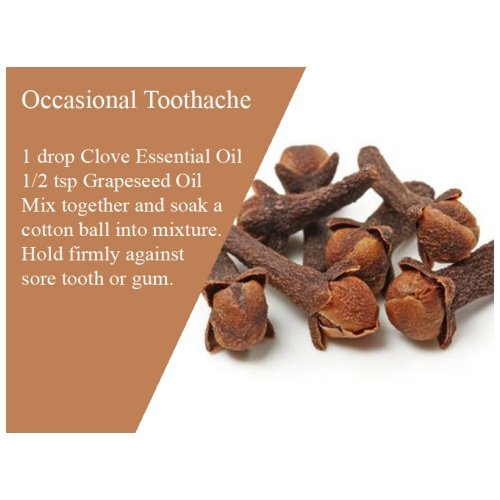
3. Clove Oil for Pain
Also Read : How to Overcome Calcium Deficiency
Also Read : Trans Fat Myths
4. Garlic Paste for Ache Bacteria
Also Read : 14 Foods You Should Never Refrigerate
5. Peppermint Tea Bags for Ache Comfort
Also Read : Vitamin B12 Benefits
6. Hydrogen Peroxide Rinse (Diluted)
Also Read : Sesame Seeds
7. Vanilla Extract for Relief
Pure vanilla contains alcohol and antioxidants.
Use:
- Dab on cotton
- Touch the painful spot
- Repeat twice daily
Use real vanilla only.
Also Read : Vinegar Wonders

Also Read : Spice Secrets
8. Guava Leaves for Gum-Related Aches
Also Read : Raisins
9. Thyme Oil for Infection Risk
Thyme has antibacterial power.
How:
- Dilute one drop with oil
- Apply gently to gums
- Rinse after use
Never apply undiluted oil.
Also Read : Metabolism Boost
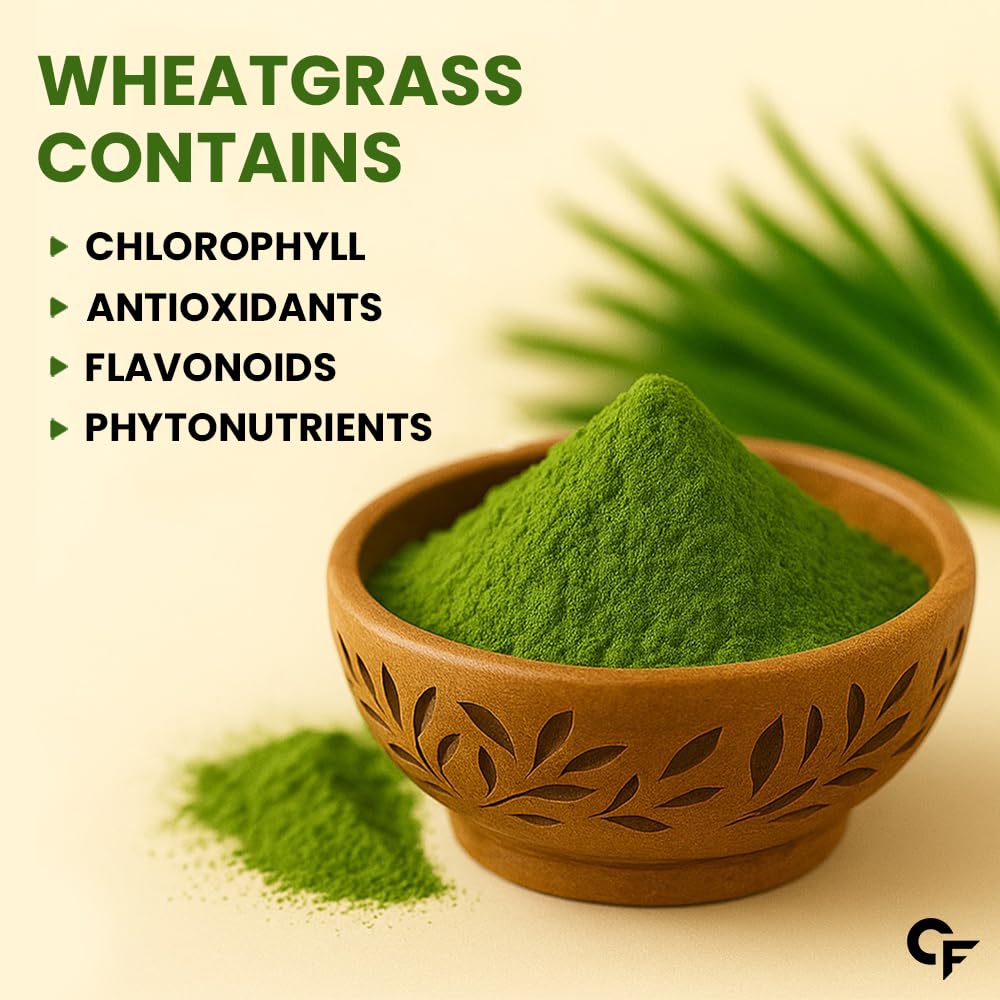
10. Wheatgrass Rinse
Also Read : Thyroid Balance
Also Read : How to Improve Your Eyesight
How Long Home Remedies Usually Take to Work
Home remedies don’t work the same way for everyone. Some people feel relief within minutes, while others notice changes after a few hours. Cold compresses often help fastest, especially with swelling. Saltwater rinses may take repeated use across the day. Natural oils and herbs usually work gradually rather than instantly. If pain keeps returning after temporary relief, it often means the underlying problem needs professional care instead of repeated home treatment.
Also Read : Poisonous Foods
Comparing Home Remedies: Which Option Helps Most and When
Not every remedy works the same way. This quick table helps you choose wisely.
| Condition | Most Helpful Remedy | How It Provides Relief |
|---|---|---|
| Sudden swelling | Cold compress | Quickly reduces inflammation |
| Mild ache | Salt water rinse | Cleans the mouth and calms gums |
| Bacterial pain | Garlic or clove | Fights bacteria naturally |
| Gum soreness | Peppermint tea | Gently soothes irritated gums |
| Bleeding gums | Diluted peroxide | Helps control harmful bacteria |
Also Read : Health After 30

Use one or two remedies at a time. Stacking everything often backfires.
Also Read : Great Protein Sources for Vegetarians
Toothache Safety Tips Most People Miss
Also Read : Vitamin Balance
Who Should Avoid Certain Home Remedies
| Remedy | People Who Should Not Use It | Safety Reason |
|---|---|---|
| Clove oil | Children, sensitive gums | Too strong and may burn tissue |
| Hydrogen peroxide | Children, expectant mothers | Unsafe if accidentally swallowed |
| Essential oils | People with gum wounds | Can slow healing |
| Garlic paste | Sensitive mouths | May cause irritation |
| Very hot salt water | Inflamed gums | Heat can worsen swelling |
If pain worsens after a remedy, stop immediately. Relief should **soothe**, not sting or burn.
Also Read : 10 Healthy Dry Fruits
When a Toothache Needs a Dentist
Home care has limits.
Call a dentist if:
- Pain lasts over 48 hours
- Swelling spreads to face or jaw
- Fever appears
- Pain worsens when biting
Early care often saves the tooth.
If pain comes with fever, facial swelling, or trouble opening your mouth, it often points to infection. A bad taste that won’t go away or pus near the gums also needs quick care. These signs mean home remedies may only mask the issue. Getting help early can prevent bigger problems and protect nearby teeth and bone.
Also Read : Hormonal Imbalance

Also Read : How to Beat Vitamin D Deficiency
How Dentists Treat Toothache Causes
Treatment depends on the problem.
Common solutions include:
- Fillings for cavities
- Deep cleaning for gum disease
- Root canal for nerve infection
- Mouthguards for teeth grinding
Fixing the cause brings lasting relief.
Also Read : Hair Care
Toothache Prevention That Actually Works
Prevention beats pain.
Simple habits help:
- Brush gently twice daily
- Floss once a day
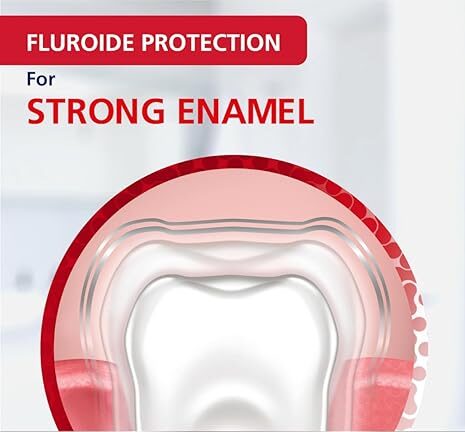
- Use fluoride toothpaste
- Limit sugary snacks
- Visit your dentist twice yearly
To make prevention more effective, match habits to causes:
Also Read : 11 Healthy Fruits
Also Read : Scrolling Overload
| Cause | Prevention Action |
|---|---|
| Teeth grinding | Use a night mouthguard |
| Sugary foods | Rinse or brush soon after consumption |
| Stress clenching | Jaw relaxation exercises |
| Gum disease | Gentle brushing and flossing |
| Dry mouth | Stay hydrated, avoid mouth breathing |
Targeted prevention works better than generic advice. These protect both teeth and gums.
Also Read : Intermittent Fasting
Toothache and Overall Oral Health
Also Read : How to Improve Your 5 Senses Naturally
Frequently Asked Questions
Does a toothache ever resolve without treatment?
Sometimes mild pain fades. However, causes like decay need treatment.
Is toothache worse at night?
Yes, because blood flow increases when lying down.
Can stress cause toothache?
Is home treatment enough for infection?
No. Infections need professional dental care.
Is it possible for tooth pain to travel to the ear or jaw?
Yes. Tooth pain may spread through nearby nerves, leading to ear or jaw pain.
Also Read : Mustard Seeds
Final Thoughts
A toothache can feel overwhelming. Still, you’re not powerless. Real, long-term relief only happens when the underlying cause is treated. If pain keeps returning, listen to it.
Your teeth are asking for care—not silence.
If this guide helped you, consider sharing it with someone dealing with dental pain right now. Sometimes, real relief starts with knowing what to do—and when to get help.
This content is for general guidance only and does not replace professional dental advice. If pain persists or worsens, consult a licensed dentist.
Also Read : Itching Relief