
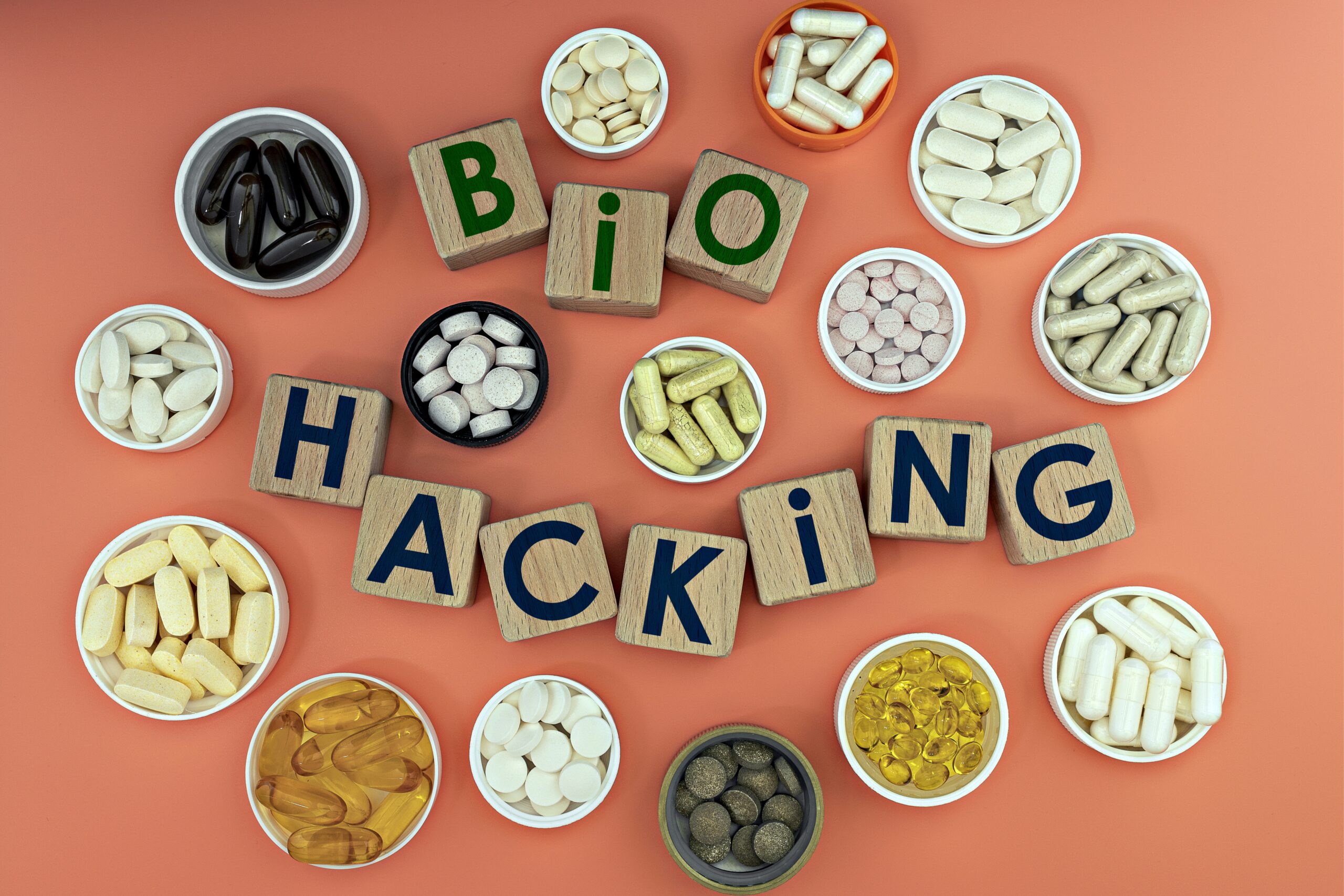
Biohacking sounds futuristic, but you’re probably doing parts of it already.
Tracking sleep, cutting late-night screen time, drinking coffee for focus.
Here’s the twist: most people feel tired not because they lack energy, but because their daily habits slowly drain it without them noticing.
That’s where biohacking helps—by supporting energy, focus, and daily performance.
It’s not about extreme experiments or risky shortcuts. It’s about small, smart changes that help your body work better with less effort. When done right, biohacking makes energy feel natural again, not forced.
Let’s break it down in a clear, practical way—without hype or confusion.
Table of Contents
What Biohacking Really Means (Without the Noise)
At its core, biohacking means adjusting your habits to support how your body actually works.
You observe, tweak and You notice what helps. That’s it.
Some people imagine implants or lab tests. In reality, most biohacking happens through daily choices—sleep timing, food patterns, movement, and mental focus.
Think of your body like a phone. You wouldn’t install random apps without checking battery use. Biohacking works the same way.
You stop guessing. You start responding.
Why Biohacking Feels So Relevant Right Now
Modern life drains energy in subtle ways. You sit more. Sleep shifts later. Screens stay longer.
As a result, fatigue becomes normal.
Biohacking works because it focuses on energy leaks, not motivation problems.
Instead of asking, “Why am I lazy?” You ask, “What’s quietly exhausting me?”
That shift alone changes everything.
Also Read : Skipping Breakfast
Simple Types of Biohacking You Can Actually Use
You don’t need to try everything. Most people benefit from just one or two areas.
Also Read : Detox Your Body Today
Also Read : Diabetes
Lifestyle Biohacking (The Foundation)
This is where beginners should start. Small lifestyle tweaks often deliver the biggest returns.
Examples include:
- Waking up at the same time daily
- Getting sunlight within an hour of waking
- Reducing late-night screen exposure
- Walking after meals
These changes regulate your internal clock, which directly affects energy and mood. Consistency beats intensity here.
Also Read : Balance Your Thyroid
Nutrition-Based Biohacking (No Extreme Diets)
Also Read : Vinegar Wonders
Tech-Assisted Biohacking (Use Data, Not Obsession)
Also Read : Spice Secrets
Practical Examples That Support Daily Energy
Let’s keep this grounded.
Also Read : Health After 30
Sleep Timing Over Sleep Length
Also Read : Joint Pain
Cold Exposure (Gentle, Not Extreme)
Also Read : Obesity
Caffeine Timing Instead of More Caffeine
Also Read : Anti-Aging
What This Approach Is Not
Let’s clear confusion.
Biohacking is not:
- Skipping medical advice
- Taking unverified supplements blindly
- Copying influencers without context
Your body is personal. What helps others might not suit your unique situation or goals. Curiosity should come with caution.
Also Read : Vitamin D Deficiency
Also Read : Calcium Deficiency
A Simple Framework Beginners Can Follow
If you feel overwhelmed, start here.
- Pick one area (sleep, food, or focus)
- Change one habit for two weeks
- Observe energy changes, not perfection
For example:
If afternoons feel heavy, adjust lunch timing first. If mornings feel foggy, fix sleep consistency.
One change. One signal. That’s enough.
In a real workday scenario, a desk-job worker fixes sleep timing and adds a 10-minute post-lunch walk. Within a week, afternoon sluggishness reduces—not because of motivation, but because energy stops dipping at the same time daily.
Also Read : Trans Fat Myths
How These Habits Support Mental Clarity Too
Energy isn’t only physical. Mental fatigue comes from constant switching—apps, tabs, notifications.
Simple cognitive biohacks include:
- Single-tasking for 25 minutes
- Reducing decision overload
- Scheduling breaks instead of pushing through
These habits protect focus and prevent burnout. Many productivity and mindfulness blogs emphasize this for a reason—it works.
Also Read : Migraine Relief
Is Biohacking Safe for Everyone?
Most lifestyle-based biohacks are safe. However, caution matters when:
- You have medical conditions
- You take regular medication
- Consider supplements or fasting
When unsure, slow down. Progress comes from awareness, not pressure.
Also Read : How to Cure Sciatica
Also Read : How to Cure Piles
Why This Approach Works When Motivation Fails
Motivation fluctuates. Biology doesn’t lie. Biohacking removes friction.
- You don’t rely on willpower
- You support natural rhythms
- Reduce resistance
That’s why energy feels steady, not forced.
Imagine a typical workday. You wake up at the same time, get sunlight, delay coffee slightly, and take a short walk after lunch. Nothing dramatic changes—but by evening, you’re less drained. The system worked quietly in the background.
It’s alignment, not discipline.
Also Read : Gut Bacteria
Common Energy Optimization Mistakes to Avoid
Also Read : How to Control Uric Acid
The Role of Environment in Energy Levels
Your energy isn’t only about discipline or willpower. Your surroundings quietly shape how alert or tired you feel each day.
For example, harsh lighting, constant noise, or poor air can drain focus fast. On the other hand, natural light, fresh air, and calm spaces support steady energy.
You can start small:
• Open windows early in the morning
• Use warm lighting at night
• Reduce background noise while working
These changes don’t require gadgets or trends. They gently support your body in syncing with its natural daily rhythms. When your environment supports you, effort feels lighter and more sustainable.
Also Read : How to Improve Your Eyesight
Awareness Before Optimization
Before trying new techniques, pause and observe your patterns. Notice when your energy drops and what usually comes before it. Is it screen time, late meals, or constant notifications?
Awareness helps you adjust without forcing big changes. This step keeps experimentation safe, personal, and effective.
Also Read : How to Improve Your Five Senses
Also Read : Itching Relief
FAQs
Can beginners try biohacking safely?
Does biohacking guarantee more energy for everyone?
Nothing is guaranteed. However, small adjustments often bring noticeable improvement.
Do you need gadgets to biohack?
No. Awareness matters more than devices.
How long before results show?
Some changes help within days. Others need weeks.
What’s the easiest biohack to start today?
Fix your sleep timing and morning light exposure first.
Also Read : How to Relieve Painful Toothache
Final Thoughts — Energy Is a System, Not a Switch
You don’t need hacks that push harder. You need habits that drain less.
Biohacking works when it feels supportive, not stressful. When energy returns naturally, life feels lighter. Start small and listen closely. Let your body guide the way. If one habit improves your day, that’s progress worth keeping.
Pay attention to what improves your energy naturally—and build from there.