Superfoods sound impressive, but most people struggle with one simple thing: how to actually eat them every day without stress. You might already have chia seeds in your kitchen or hear about berries and greens online. Still, they often stay unused because daily life feels too busy.
Here’s the good news. You don’t need expensive powders, strict plans, or perfect meals. What matters most is building small, smart habits that fit your routine. Once superfoods become part of your normal day, your energy, digestion, and focus can feel very different.
This is the same idea we talk about often at Our Well Wisher — health improves fastest when food supports your daily routine, mental balance, and long-term discipline, not when it feels forced.
Let’s make that happen—step by step, without overwhelm.
Table of Contents
What Makes Superfoods Special (And Why They Matter)
Superfoods are foods packed with nutrients your body uses every day. They offer vitamins, minerals, fiber, and antioxidants in high amounts, even in small servings.
However, unlike supplements, superfoods work naturally with your body and support long-term health instead of short-term fixes. These foods support digestion, brain function, immunity, and steady energy. That’s why many people who focus on healthy habits notice better mood balance and mental clarity too.
You don’t need all 23 at once. Even adding a few can help when you stay consistent.
Superfoods for Beginners: Where to Start Without Confusion
If you’re new to superfoods, don’t start with all 23. That usually leads to confusion and quitting.
Instead, begin with just five beginner-friendly superfoods that are easy to digest, affordable, and already familiar.
Start with:
- Oats – simple, filling, and gentle on digestion
- Bananas – quick energy and gut-friendly
- Lentils – protein, fiber, and daily Indian staple
- Yogurt – supports gut health and immunity
- Spinach – easy to add to cooked meals
Use these for the first 7–10 days. Once they feel normal, add one new superfood at a time. This slow approach helps you stay consistent without stress.
Beginner 2-Week Starter Roadmap:
- Week 1: Oats, banana, yogurt
Focus only on digestion and energy. Keep portions small.
- Week 2: Add lentils and spinach
Notice fullness, bowel movement, and daily energy. If digestion feels heavy, pause new additions for 2–3 days and allow your body to adjust. If everything feels fine, add one new superfood every 4–5 days.
Also Read : Sleep Well
Also Read : 14 Foods You Should Never Refrigerate
23 Everyday Superfoods You Can Actually Use
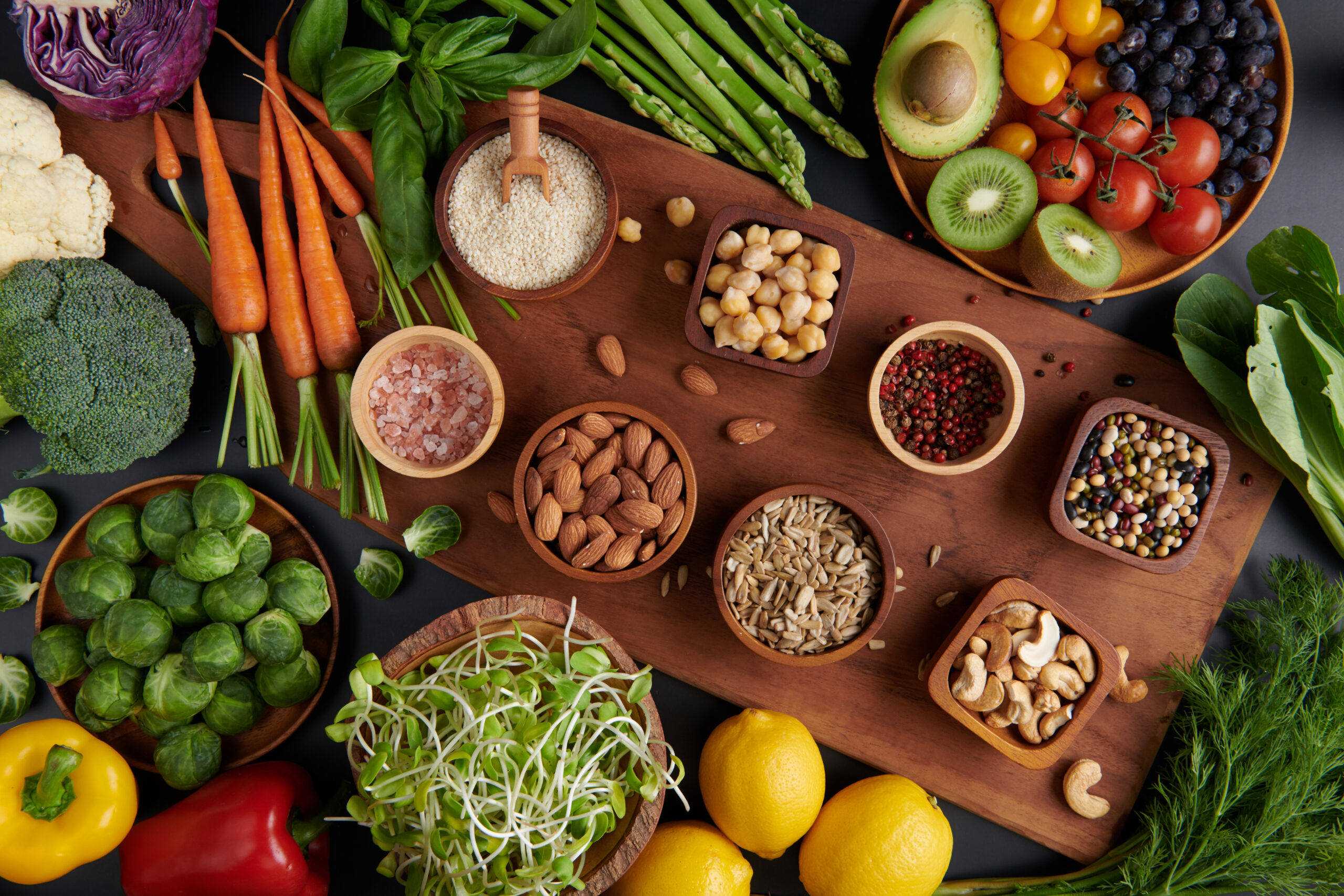
Here’s a practical mix of global and kitchen-friendly superfoods:
- Leafy greens (spinach, kale)
- Berries (blueberries, strawberries)
- Nuts and seeds (almonds, walnuts, chia)
- Yogurt and fermented foods
- Oats
- Lentils and beans
- Garlic and turmeric
- Green tea
- Dark chocolate (70%+ cocoa)
- Eggs
- Sweet potatoes
- Avocado
- Tomatoes
- Olive oil
- Ginger
- Apples
- Bananas
- Flaxseeds
- Pumpkin seeds
- Mushrooms
- Broccoli
- Carrots
- Whole grains
You don’t need rare imports. Many of these already sit in your kitchen.
Also Read : How to Prevent from Covid & other Diseases
Simple Ways to Upgrade Your Daily Meals
Start With What You Already Eat
Use the “One-Add Rule”
Instead of chasing perfect meals, add one superfood per meal.
Breakfast: fruit or nuts
Lunch: greens or lentils
Dinner: vegetables or olive oil
This rule keeps your diet flexible. It also helps build discipline without pressure. Because this approach feels simple, most people follow it for months instead of weeks.
Also Read : Metabolism Boost
Portion Sizes That Actually Make Sense
However, more isn’t always better. Superfoods work best in balance.
Here’s a simple guide:
Eating more than needed can upset digestion and backfire over time. So listen to your body and adjust.
For example:
- Too many nuts or seeds may cause bloating
- Excess leafy greens can interfere with some medications
- Large amounts of fiber may slow digestion instead of helping
A good rule:
Eat superfoods daily, but rotate them weekly.
This keeps nutrition balanced and digestion comfortable.
Daily vs Weekly Rule:
Eat familiar superfoods daily. Rotate dense foods like seeds and nuts across the week.
What happens if you overdo it:
- Too much chia may cause heaviness and water retention
- Excess nuts can slow fat loss due to high calories
- Too many raw greens may affect thyroid absorption
Also Read : Scrolling Overload
Indian-Friendly Ways to Improve Daily Nutrition
You don’t need Western recipes. Indian meals work beautifully.
- Add turmeric and ginger to sabzi
- Use curd or buttermilk for gut health
- Include lentils, beans, and vegetables daily
- Sprinkle seeds over roti or rice
Traditional Indian meals already support gut health, mindful eating, and long-term balance without extra effort.
Also Read : How to Take Care of Your Parents
Budget-Friendly Foods That Deliver Real Nutrition
In reality, expensive doesn’t always mean better.
Affordable options include:
- Lentils instead of protein powders
- Seasonal fruits instead of imported berries
- Peanuts instead of exotic nuts
When food fits your budget, consistency becomes easier. That’s where real results come from.
Here’s an easier way to compare food cost with real nutritional value:
- Imported berries ❌ → Seasonal local fruits ✅
- Protein powders ❌ → Lentils and beans ✅
- Exotic seeds ❌ → Flaxseeds or peanuts ✅
If a food is expensive, hard to find, or stressful to buy, it won’t stay in your routine. Affordable foods win because consistency matters more than hype.
If your grocery budget feels tight:
Buy foods you can repeat weekly. Skip anything that feels special, rare, or stressful to find. Simple foods beat perfect foods every time.
Also Read : Rock Salt
Also Read : Joint Pain Hack
Choosing Foods Based on Your Personal Health Goal
For Energy and Focus
For Gut Health
For Immunity
For Weight Balance and Fullness
- Lentils
- Oats
- Vegetables
These foods keep you full longer and reduce overeating naturally.
For Skin and Hair Health
Also Read : How to Improve Your Eyesight
Best Time to Eat Different Foods for Better Digestion
Timing can make a difference.
Eating heavy foods late often affects sleep quality. Light, balanced meals support recovery and calmness.
Also Read : Hair Guide
Common Superfood Mistakes to Avoid
Unfortunately, many people quit because of these common mistakes:
- Trying too many foods at once
- Expecting instant results
- Following trends instead of habits
Superfoods support health, but they don’t replace sleep, movement, or stress control. When paired with simple habits like mindful eating or light meditation, their effect feels stronger.
Simple lifestyle changes work better than extreme plans when consistency matters.
Also Read : Poisonous Foods
Superfoods Myths vs Reality
Many people believe superfoods work like magic. That belief causes disappointment.
Let’s clear a few myths:
- Myth: Superfoods fix poor sleep and stress
Reality: They support health, not replace habits
- Myth: More superfoods mean faster results
Reality: Too many at once can hurt digestion
- Myth: Only rare foods count as superfoods
Reality: Everyday foods like dal and vegetables qualify
Superfoods work best when they support a balanced lifestyle, not when they try to replace it.
Also Read : Anti-Aging
Also Read : Trans Fat Myths
How to Make Superfoods Taste Better
Also Read : Snoring Alert
Are Superfoods Safe for Everyone?
Most are safe, but some people should be careful if:
- You take medication, avoid excess greens
- You have allergies, test small amounts
- Digestion feels off, reduce portions
Your body gives signals. Paying attention builds trust with your health.
If you have specific conditions, stay mindful:
- Thyroid issues → avoid excess raw greens
- Blood thinners → moderate garlic and ginger
- Sensitive digestion → start with cooked foods
When unsure, start with smaller portions instead of stopping completely. If you have IBS, diabetes, or are pregnant, introduce foods slowly.
When symptoms feel confusing or persistent, professional advice is smarter than guessing.
Also Read : Intermittent Fasting
How Superfoods Support Long-Term Healthy Habits
Superfoods work best when paired with routine. They support:
- Stable energy
- Better digestion
- Clearer thinking
They also support daily discipline, better focus, and long-term consistency.
Also Read : How to Improve Your Five Senses
How to Choose the Right Superfoods for You
If you ever feel confused, use this simple filter:
Ask yourself:
- Does this food fit my daily meals?
- Can I afford it weekly?
- Does my body digest it well?
If all three answers are yes, it fits your daily routine.
Use this simple decision flow if:
- Your goal is weight loss → focus on lentils, vegetables, oats
- For muscle or strength goals, include yogurt, nuts, and eggs
- Digestion is sensitive → choose cooked foods over raw
- Energy crashes often → add bananas, nuts, green tea
In the long run, choose foods based on your lifestyle, not trends.
Also Read : Itching Relief
Also Read : Toothache
FAQs
Are superfoods necessary for good health?
No, but they make healthy eating easier and more effective.
Can I eat superfoods every day?
Yes, as long as portions stay balanced.
Do superfoods help with weight control?
They support fullness and steady energy, which helps long-term habits.
Are supplements better than food?
Whole foods work better because your body absorbs them naturally.
Also Read : Why Boredom is Important
Final Thought
You don’t need to eat all 23 superfoods to feel healthier. You only need a few that fit your life. When food feels simple and enjoyable, consistency follows. Real health changes come from consistency, not trying to be perfect.
This approach encourages mindful eating and sustainable healthy habits without pressure or guilt. Start small today. Your future self will thank you.
Also Read : How to Make Comfort Zone Work for Growth Zone