
For centuries, many cultures have treasured mustard seeds for their unique qualities. Though tiny, mustard seeds deliver bold flavors and notable health benefits. Mustard seeds enhance meals with vibrant flavor and a burst of lively taste. They are frequently used in both cooking and traditional herbal treatments. In this article, we will explore everything you need to know about mustard seeds, their benefits, uses, and much more.
Table of Contents
What Are Mustard Seeds?
Small and spherical, mustard seeds originate from several species of mustard plants. The seeds vary in color, with yellow, brown, and black being the most common. Each type offers a slightly different taste and heat level. Their strong fragrance makes them a key ingredient in Indian, Asian, and European cooking traditions. Once ground, they produce mustard oil, widely used in both culinary practices and traditional massage therapies.
Types of Mustard Seeds
Yellow Mustard Seeds
Yellow mustard seeds are mild in flavor. They are most common in American and European cooking. These are commonly used in making tangy sauces and preserving foods through pickling. Their gentle taste makes them versatile.
Brown Mustard Seeds
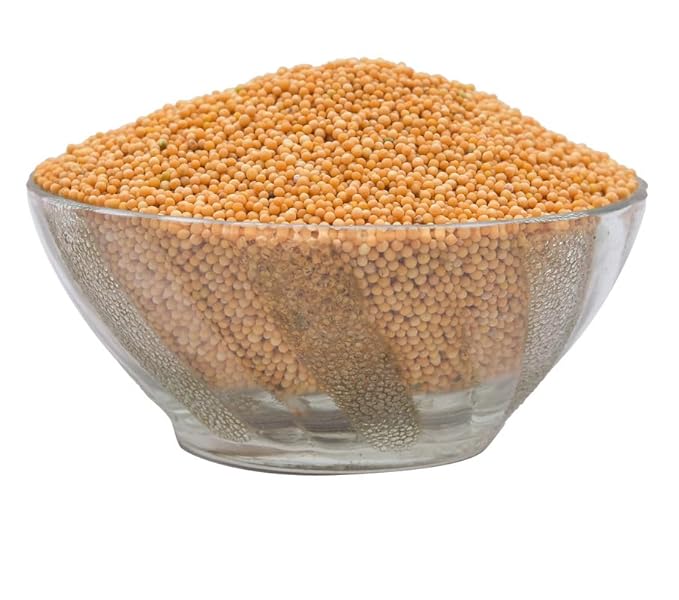
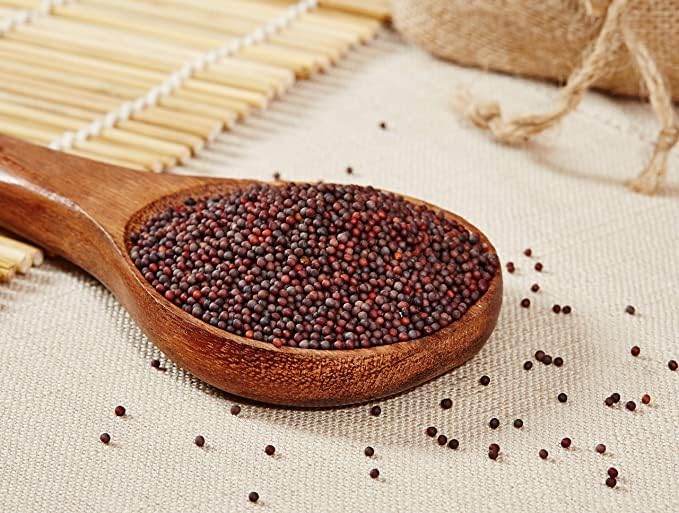
Brown mustard seeds have a stronger, spicier flavor. To achieve traditional taste, many Indian and Asian recipes use them generously. When heated, they emit a strong, spicy warmth that boosts flavor. Used in many spice combos, they are also popular for oil tempering in cooking.
Black Mustard Seeds
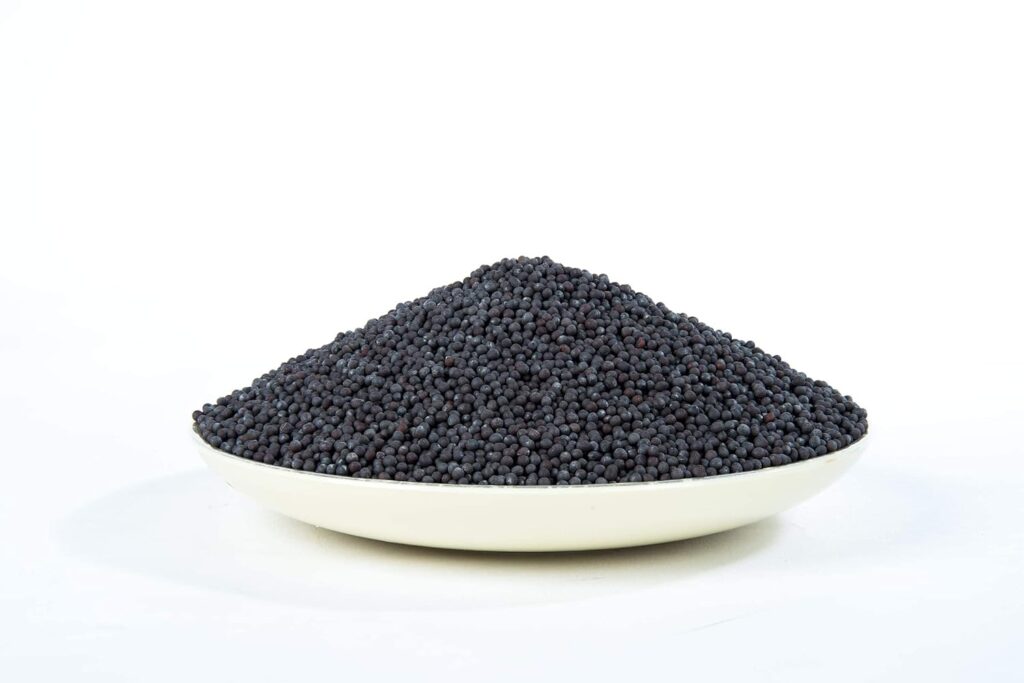
With a sharp, spicy kick, black mustard seeds elevate both the heat and taste complexity. South Asian cuisine frequently incorporates them as a key ingredient. Their pungent, spicy taste adds warmth and depth to recipes. Sarso ka tel, the traditional mustard oil, is usually derived from black mustard seeds due to their strong properties.
Nutritional Value of Mustard Seeds
Packed with fiber, essential minerals, and important vitamins, they offer strong nutritional benefits. Loaded with omega-3s and antioxidants, they contribute to overall wellness. These seeds also have compounds that may promote digestion and boost metabolism. Using them in cooking boosts the dish’s flavor and nutritional value.
Health Benefits of Mustard Seeds
They have many health benefits. These seeds aid in reducing cholesterol levels, promoting heart health. Their anti-inflammatory nature and muscle-soothing qualities are highly appreciated. The seeds possess antibacterial and antifungal properties, which can improve immune function. Ancient remedies often relied on them to ease lung congestion and manage skin irritations. Consistent intake of them contributes to higher energy levels and improved well-being.
Also Read: Horse Gram Benefits
Culinary Uses of Mustard Seeds
They are versatile in cooking. They can be consumed in various forms—whole, powdered, or as a paste. Tempering them in hot oil brings out their unique aroma in Indian dishes. It enhances the scent of the food while contributing a distinct texture to the dish. They bring a sharp, bold taste to condiments like sauces, pickles, and salad dressings. These tiny seeds bring both bold taste and nutritional goodness to your recipes.
Mustard Seeds in Traditional Recipes
Many traditional recipes feature them prominently. In South Indian dishes, they are cooked in mustard oil (sarso ka tel) to prepare tadka, a flavor-enhancing tempering. This method elevates dals, curries, and vegetable dishes. They also play a key role in European mustard sauces and marinade recipes. These seeds bring a bold, peppery zest that harmonizes well with other ingredients.
Mustard Seeds and Mustard Oil for Culinary Use and Massage Therapy
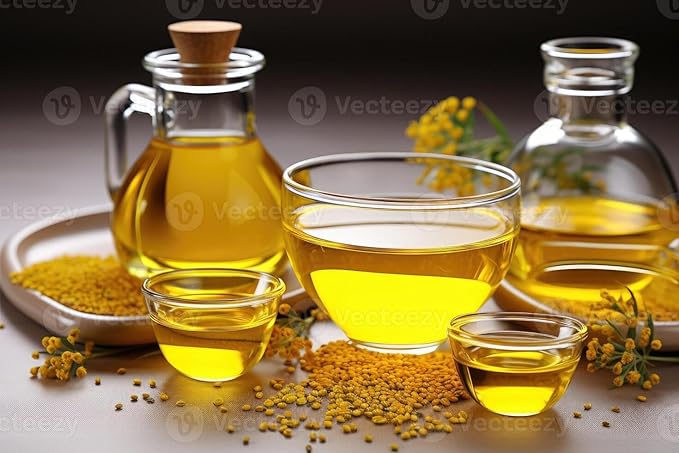
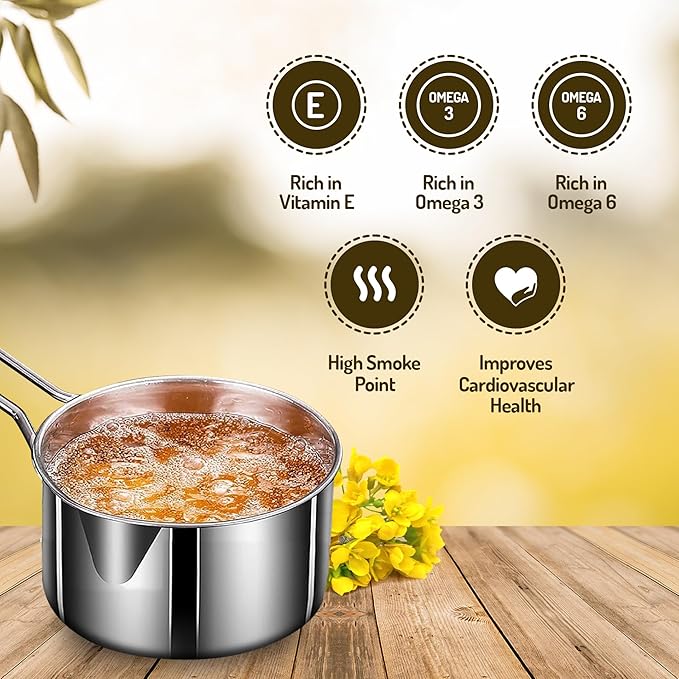
Mustard seeds and mustard oil are widely used not only for culinary purposes but also for massages. Across various cultures, this oil is treasured for its intense scent and wellness benefits. When used in cooking, mustard oil adds a distinct flavor that enhances the taste of dishes. The beneficial fats in them contribute to cardiovascular well-being. Moreover, its antioxidants help fight harmful free radicals in the body.
Beyond cooking, mustard oil is widely valued for its use in healing massages. It helps warm the muscles and promotes improved circulation throughout the body. Many people use it to relieve joint and muscle pain naturally. The oil also has antibacterial and antifungal properties, which can benefit the skin. Applying mustard oil during massage helps relax the body and reduce stiffness.
Using mustard oil regularly—whether for cooking or massage—can enhance overall health. Caution is advised when using it, particularly for those with delicate skin. Opting for high-quality, food-grade mustard oil guarantees safety and optimal results. In general, mustard oil enhances the potent benefits already offered by them.
Also Read: Jaggery Benefits
Growing and Harvesting Mustard Seeds
Mustard plants are easy to grow and harvest. Cool weather and properly drained soil provide ideal conditions for mustard growth. The plants flower and produce seed pods within a few months. After ripening, mustard pods are dried and their seeds are harvested. Globally, numerous farmers grow mustard plants for food use and oil production. Home gardeners can also grow mustard plants to enjoy fresh seeds.
Tips for Growing Mustard Seeds at Home
Growing them at home is simple. For optimal growth, sow them in well-tilled soil that receives plenty of sunlight. Sow seeds shallowly and water gently. Mustard plants grow quickly and can be harvested in about 90 days. They should be collected once the seed pods become dry and brown. Keep the seeds in sealed containers to maintain their flavor and prevent spoilage.
Also Read: Sugar- Free Life
Mustard Seeds in Traditional Medicine
For hundreds of years, Ayurveda and similar practices have relied on them. These seeds help cleanse the body and improve digestion. The seeds stimulate circulation and relieve respiratory congestion. These plasters are known to relax sore and tense muscles when placed on the skin. These practices underscore mustard seeds’ healing value apart from their role in cooking.
Scientific Research
Contemporary studies back up various age-old beliefs regarding them. Studies show that they may help fight infections and soothe inflammation due to their natural compounds. Glucosinolates found in them are associated with reducing the risk of certain types of cancer. Ongoing research continues to explore the wide range of health benefits these seeds offer. This makes them a promising natural supplement.
Also Read: 10 Powerful Vitamin B12 Foods
How to Use them in Your Daily Diet
Recipes Featuring Mustard Seeds
They are often used in well-loved dishes like curries, pickled items, and salad dressings. A good example is mustard seed chutney, which offers a tangy flavor and pairs well with various meals. They can be added to roasted vegetables for extra zing. Homemade mustard condiments offer a fresh alternative to store-bought sauces. Such recipes showcase how these can be creatively used in a wide range of culinary applications.
Also Read: Cutlery Sets
FAQ Section
How do they contribute to overall health and wellness?
They support heart health, digestion, and immunity. They contain antioxidants and anti-inflammatory compounds.
Can mustard seeds be eaten raw?
Yes, but they have a strong flavor. Cooking them releases milder, pleasant aromas.
Can you explain the difference between mustard seeds and mustard oil?
They are the raw ingredient. The oil pressed from mustard seeds is commonly used for both culinary purposes and traditional massage therapy.
Are they good for weight loss?
They might enhance digestion and metabolic activity, which can support healthy weight control.
How should mustard seeds be stored?
To keep them fresh and aromatic, place them in airtight containers away from heat and moisture.
Also Read: Best Mindset Books