
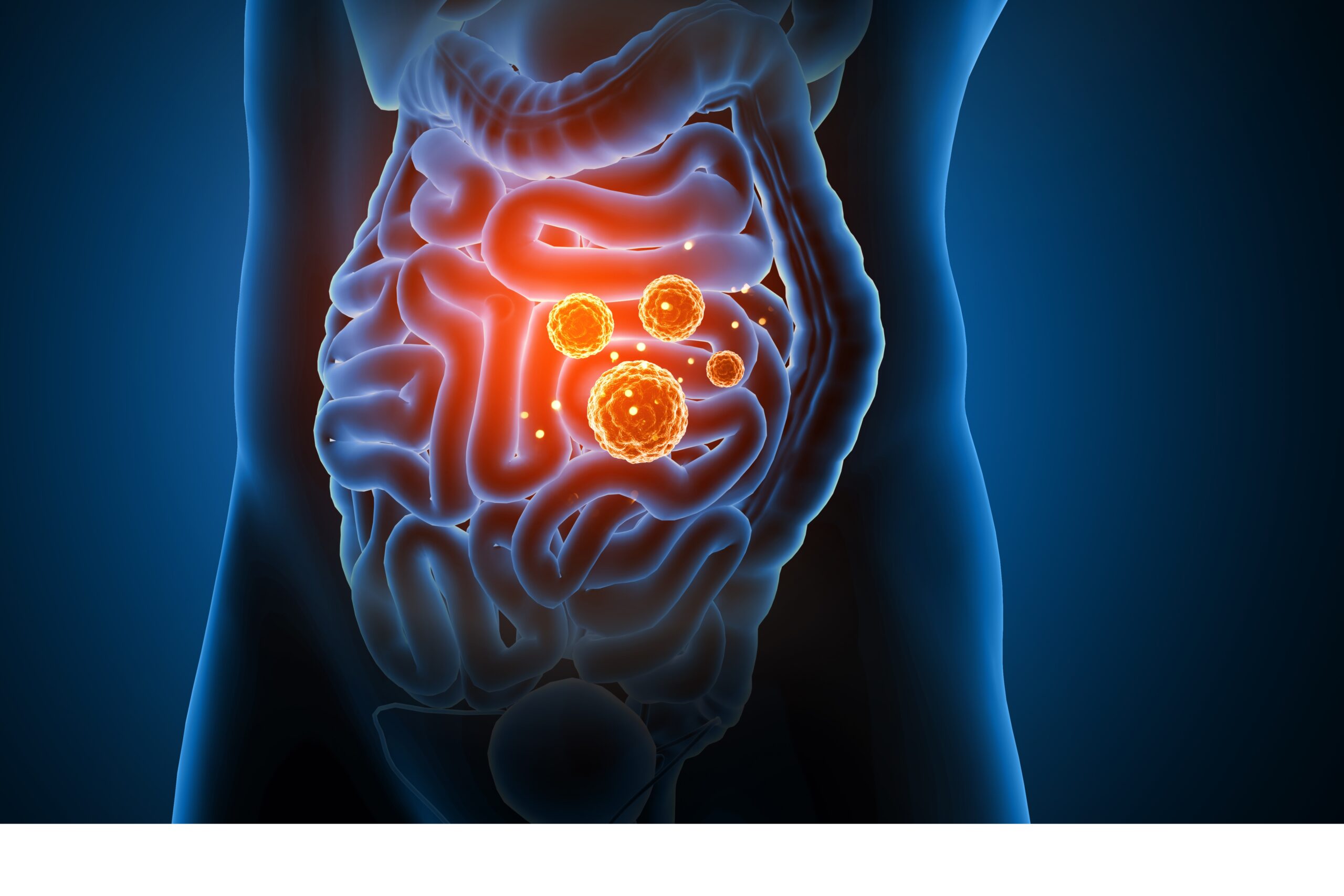
Have you ever wondered why two people can eat the same meal, yet only one feels great afterward? Gut bacteria play a bigger role in this than most people realize. These tiny microbes work like a backstage team that keeps your body running with calm, steady rhythm. When they thrive, you feel lighter, stronger, and clearer. When they struggle, you feel tired, bloated, and low on energy.
You don’t see them, but they shape how you think, sleep, and heal. And once you learn how to care for them, your health begins to shift in ways that feel almost magical.
Table of Contents
Why Your Gut Works Like a Control Center
Your gut acts like a busy city. Millions of microbes move, talk, and help your body stay calm and steady. When this inner city stays in harmony, you enjoy smooth digestion, stable mood, and better energy.
You notice the impact when this balance breaks. You may feel:
- Sluggish
- Bloated after normal meals
- Low on mood
- Hungrier than usual
- Tired even after rest
Because your gut and brain talk all day, the gut affects your thoughts faster than most people expect.

How Gut Bacteria Shape Daily Energy
Strong gut health helps you wake up with steady energy. Your microbes break down food, pull the right nutrients, and support your mind with a calm flow.
When your gut bacteria stay balanced, you enjoy:
- More stable mood
- Less brain fog
- Better sleep
- Better immune response
Think of your gut like a personal power plant. When the plant runs well, everything else feels easier.
Gut Bacteria and Your Daily Stress Response
Gut bacteria help shape your stress levels in more ways than you may imagine. When they stay balanced, your nervous system feels calmer and reacts with more ease. Your body releases fewer stress chemicals, and your mind feels clearer. When these microbes become disturbed, even small worries feel heavier.
You can support this balance through tiny habits like slow breathing, warm meals, gentle music, and mindful breaks. These calming moments help your microbes relax too. Over time, this ease spreads to your thoughts, your breath, and even your sleep.
Also Read : Rock Salt Benefits

How Gut Bacteria Support Your Hormonal Balance
Your hormones depend on a steady gut environment. When gut bacteria stay strong, they help your body manage appetite, sleep cycles, and mood. They also help break down certain hormones so your system doesn’t become overwhelmed.
You might notice smoother periods, fewer mood swings, or more steady energy as your gut finds balance again. Tiny changes in food, rest, and movement help your hormones stay in rhythm with your daily life.
Also Read : Omega-3 Benefits
How Your Emotions Shape Your Gut Environment
Your gut reacts to emotions much faster than most people expect. When you feel calm, your digestion moves with ease. When you feel stressed, your gut tightens, slows down, and sends signals that feel like knots or butterflies. Your body isn’t trying to trouble you; it’s trying to protect you.
You may notice small shifts during emotional days. You may eat faster, crave sweeter foods, or forget water. These tiny habits change how your internal system behaves. When this happens often, your gut begins to lose its natural rhythm.
You can support that rhythm with gentle practices:
- Pause and breathe before meals
- Keep a slow eating pace
- Take short breaks when your mind feels heavy
- Spend time in sunlight
- Keep your shoulders relaxed during the day
Over time, you may notice you feel more grounded, more hopeful, and less weighed down by stress. Your gut listens to your emotions, and your emotions listen right back.
Also Read : Diabetes
How Movement Helps Your Gut Work Smoothly
Your gut loves movement. Even gentle activity, like a slow walk, wakes up your digestive muscles. These muscles push food forward, reduce gas build-up, and keep your system active. When you sit for long hours, those muscles slow down, which may lead to discomfort.
The best part is you don’t have to do tough workouts. You simply need steady motion. Think of your body like a river. When it moves, everything flows. When it stops, the water stays still and feels heavy.
Add tiny pockets of movement throughout your day for gentle support.:
- A 10-minute walk after meals
- Light stretching before bed
- Slow morning movement to wake your body
- Gentle core exercises to support digestion
These small acts create a rhythm your gut loves. You may also feel a lift in mood, a spark of energy, and a sense of calm confidence. Movement reminds your body that it is alive, active, and ready to support you. Your gut responds with gratitude, stability, and smoother digestion.
Also Read : Rock Salt

Also Read : Scrolling Overload
Stunning Ways Gut Bacteria Improve Your Mood
Nearly all of your serotonin—about 90%—is created inside your gut. When this system runs smoothly, you feel calmer, lighter, and more optimistic. If it slows, you might feel stressed, foggy, or emotionally heavy.
Your gut communicates with your brain through the gut–brain connection. This link acts like a two-way radio. Food choices affect this radio connection. Stress affects it too.
Simple daily habits can protect your mood through your gut:
Each small habit gives your gut the harmony it needs.
Also Read : Sugar-Free Life
Gut Bacteria and Your Immunity Connection
More than half of your immune system sits in your gut. When your microbes stay diverse, they respond faster and smarter. They help your body fight bad germs and keep your health stable.
You may notice stronger immunity when you have:
- Less inflammation
- Fewer seasonal illnesses
- Faster recovery times
This happens because your gut trains your immune cells like a wise coach.
Also Read : Detox Your Body
Also Read : Constipation
Signs Your Gut Needs Attention
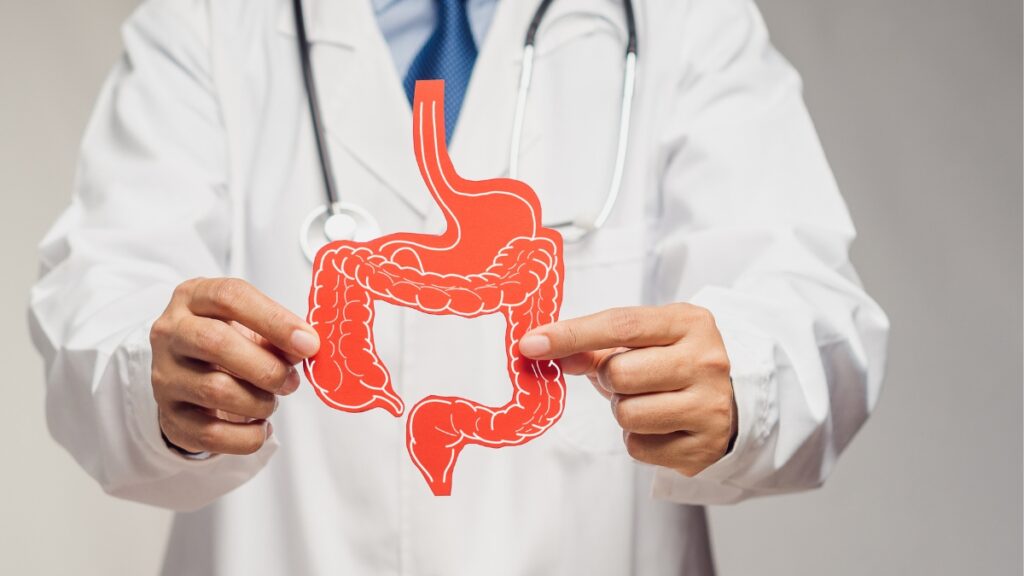
Your gut often whispers before it shouts. A few signs include:
- Sudden bloating
- Constipation or loose stools
- Low energy
- Unusual cravings
- Mood swings
None of these signs mean something scary. They simply show your gut asking for support.
Also Read : How to Cure Piles
How Your Gut Affects Your Weight
Also Read : Joint Pain
Beautiful Foods That Help Gut Bacteria Bloom
Also Read : Vitamin E Wonders
Also Read : How to Improve Your Eyesight
Simple Daily Habits for a Happy Gut
You don’t need big changes. Small actions help your gut feel safe and supported.
Try adding:
- Slow eating
- More water
- Deep breathing
- Light stretching
- Short walks
- Regular sleep
These habits calm your nervous system. A calm mind helps a calm gut.
Also Read : Herbal Tea Benefits
Gentle Lifestyle Tweaks That Support Gut Bacteria
Also Read : Calorie Deficit
When You Should Seek Help
You don’t need to worry unless symptoms stay for long periods. If signs last more than a month or affect daily life, talk to a professional. A simple test often gives clarity.
You don’t need fear. You need understanding.
Also Read : Poisonous Foods
How to Start Supporting Your Gut Bacteria Today
Also Read : Cholesterol

Also Read : 22 Body Heat Hacks
Heal Your Gut, Lift Your Life
When your gut feels good, you feel lighter and more joyful. Your skin glows more. Your mind stays calm. Energy lasts longer through the day.
Your gut is not a small part of your health. It is the heart of your inner balance.
Also Read : Vitamin D Deficiency
FAQs
How much time does the gut usually need to start feeling better?
Most people feel small changes within a week. Bigger changes may take a few months.
Can stress harm my gut bacteria?
Yes. Stress slows digestion. Calm habits, deep breaths, and light walks help protect your gut.
Are probiotics safe for daily use?
Most people can take them safely, yet food-first choices often work better.
Does gut health affect skin health?
A well-balanced gut can naturally support clearer and more radiant skin.
Also Read : Calcium Deficiency
A Warm Closing Thought
Your gut is always talking to you. It guides your energy, mood, and sense of well-being. When you care for your gut bacteria with gentle, steady habits, you feel the difference in every part of your day.
Healthy change doesn’t need to be hard. Start with one small step today, and your body will thank you in the sweetest ways.
Also Read : Iron Deficiency