
Minerals support countless body functions that keep you healthy every day. They help your heart beat, your muscles move, your brain think clearly, and your bones stay strong. Many people prioritize vitamins, but low mineral intake can also affect energy, immunity, mood, and overall health. The good news is that a few smart food choices each day can make a real difference.
You may already think about vitamins, protein, or healthy meals. However, minerals deserve just as much attention. Fortunately, improving your mineral intake doesn’t require a complicated diet. A balanced plate with whole foods can often provide everything your body needs.
Whether your goal is better nutrition, stronger bones, improved memory, healthy nerves, or more daily energy, understanding minerals helps you make smarter food choices.
Table of Contents
What Are Minerals?
| Type | Amount Needed | Examples | Main Role |
|---|---|---|---|
| Macrominerals | Larger amounts | Calcium, Magnesium, Potassium | Bones, muscles, nerve function, fluid balance |
| Trace Minerals | Smaller amounts | Iron, Zinc, Selenium | Oxygen transport, immune support, metabolism |
Imagine someone who skips breakfast, drinks several cups of coffee, eats mostly processed foods, and rarely includes vegetables. Over time, they may consume fewer essential minerals, making fatigue or muscle cramps more likely. Simple dietary changes can often improve mineral intake.
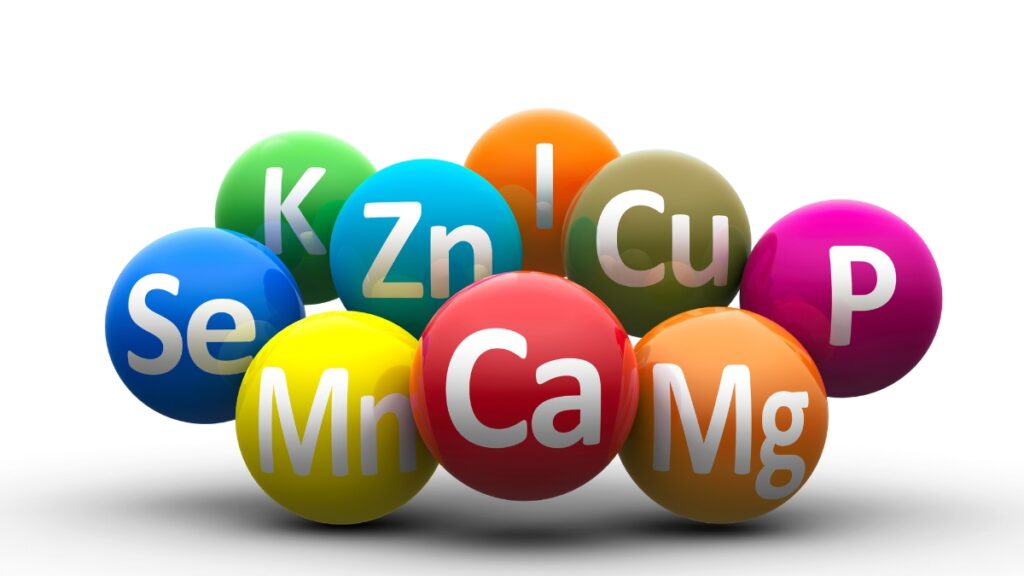
Also Read : Sleep Deprivation
Why Minerals Matter Every Day
Think of your body as a well-organized community with many essential jobs. Your:
- Bones are the buildings.
- Nerves are the electrical wires.
- Muscles are the engines.
- Blood is the transport system.
Minerals help every part work together. When one mineral becomes too low, several body systems may struggle at the same time.
For example:
- Calcium supports strong bones and healthy teeth.
- Iron carries oxygen throughout your body.
- Magnesium supports normal muscle and nerve function and supports hundreds of chemical reactions.
- Zinc strengthens immunity and helps wounds heal.
- Potassium supports your heart and healthy blood pressure.
Small healthy choices each day can support better health over the long run.
| Need | Important Minerals |
|---|---|
| Strong bones | Calcium, Magnesium |
| Energy | Iron, Magnesium |
| Heart health | Potassium |
| Brain function | Iron, Iodine |
| Immune support | Zinc, Selenium |
Minerals and a Healthy Metabolism
- Magnesium supports energy production.
- Iron carries oxygen.
- Zinc helps your body maintain healthy metabolism and supports immune function.
- Minerals support muscle during weight loss but do not directly burn fat.
Also Read : Body Detox
Minerals vs. Vitamins: What's the Difference?
Many people confuse minerals with vitamins, yet they are different.
| Minerals | Vitamins |
|---|---|
| Naturally occurring elements | Organic compounds |
| Your body cannot produce them | Your body can make small amounts of some vitamins |
| Usually remain stable during cooking | Some lose potency when exposed to heat |
| Form body tissues and regulate essential body processes | Support body growth and many chemical reactions |
Your body needs both. Imagine your body as a well-organized city where every system has a job.
Also Read : Which is the Best Cooking Oil
Types of Minerals Your Body Needs
Your body uses minerals in different amounts. Experts divide them into two groups.
Macrominerals
You need these in larger amounts every day.
They include:
- Calcium
- Magnesium
- Phosphorus
- Sodium
- Potassium
- Chloride
- Sulfur
These minerals mainly support:
- Strong bones
- Healthy muscles
- Fluid balance
- Nerve signals
- Heart function
Also Read : 22 Body Heat Hacks
Essential Trace Elements
Your body needs these in much smaller amounts, but they remain just as important.
Common trace minerals include:
- Iron
- Zinc
- Copper
- Selenium
- Iodine
- Manganese
- Chromium
- Molybdenum
- Fluoride
Even tiny shortages may affect your health.
Also Read : Depression
Essential Minerals and Their Benefits
Here’s a quick overview of the minerals your body depends on most.
| Mineral | Main Function | Best Food Sources | Possible Deficiency |
|---|---|---|---|
| Calcium | Builds strong bones and teeth | Dairy products, sesame seeds | Weak bones |
| Phosphorus | Supports energy production and bone health | Meat, dairy products | Bone weakness |
| Magnesium | Supports muscle and nerve function | Nuts, spinach | Muscle cramps |
| Sodium | Maintains fluid balance | Table salt | Low blood sodium |
| Potassium | Supports healthy heart function | Bananas, beans | Muscle weakness |
| Chloride | Aids digestion and fluid balance | Table salt, tomatoes | Rare |
| Sulfur | Supports proteins and connective tissues | Eggs, legumes | Rare |
| Iron | Carries oxygen throughout the body | Meat, lentils | Anemia |
| Zinc | Supports immune health | Seafood, pumpkin seeds | Slow wound healing |
| Copper | Helps your body use iron | Nuts, shellfish | Fatigue |
| Iodine | Supports thyroid hormone production | Iodized salt | Goiter |
| Selenium | Protects cells from oxidative stress | Brazil nuts | Thyroid problems |
| Manganese | Supports bone health and metabolism | Whole grains | Rare |
Eating different foods throughout the week usually gives your body a better mix of minerals than relying on only one or two foods.
For Bone Health
Supporting a Healthy Heart
- Potassium
- Magnesium
- Calcium
- Sodium
In the right amounts, these minerals support healthy heart rhythm, muscle function, and blood pressure.
Also Read : Psyllium Husk (Isabgol)
For Brain Health
For Immunity
- Zinc
- Selenium
- Copper
- Iron
For Healthy Skin, Hair, and Nails
- Zinc
- Selenium
- Copper
- Sulfur
Did you know? Shortages can quietly affect energy, concentration, and physical performance early on.
Also Read : Joint Pain
Best Food Sources
A colorful plate naturally provides many essential minerals.
Try to include:
- Dairy products for calcium.
- Leafy greens for magnesium.
- Beans and lentils for iron.
- Nuts and seeds for healthy minerals and protein.
- Fruits and vegetables for potassium.
- Seafood for iodine and selenium.
- Whole grains for several trace minerals.
Choose a wide variety of whole foods instead of focusing on one superfood. Variety usually provides better nutrition than any single ingredient.
Likewise, simple morning rituals such as eating a balanced breakfast, drinking enough water, and including fruits or seeds can help you build healthier habits without making your routine complicated.
Minerals Absorb Better With the Right Foods
Eating mineral-rich foods is only part of the story. Your body also needs to absorb them well.
These simple combinations can help:
- Pair iron-rich foods with foods high in vitamin C, such as oranges or lemon.
- Include healthy protein with meals to support mineral use.
- Take calcium and iron products at different times if your healthcare provider recommends both.
Drinking tea or coffee right after an iron-rich meal may reduce iron absorption in some people.
Small adjustments like these often improve your nutrition without changing your entire diet.
Also Read : How to Improve Your Eyesight
Signs Your Body May Need More Minerals
Your body often sends early warning signs before a mineral deficiency becomes serious. These symptoms may have many causes, so they do not always point to one missing mineral. Even so, you should not ignore these signs.
Common signs include:
If these symptoms last for weeks, talk to your healthcare provider instead of guessing or taking random supplements.
How Are Mineral Deficiencies Diagnosed?
- Blood tests are the most common.
- Urine tests are used for some minerals.
- Hair mineral analysis is not routinely recommended for most deficiencies.
- Testing is useful if symptoms persist or deficiency is suspected.
Also Read : Snoring Alert
Minerals and Daily Requirements
Every mineral is needed in a different amount. Macrominerals, such as calcium and magnesium, are needed in larger amounts each day. Trace minerals, including iron, zinc, and selenium, work in tiny amounts but remain just as important.
Your age, sex, activity level, and overall health also change your daily needs. For example:
- Children need minerals to support healthy growth.
- Pregnant women often require more iron and iodine.
- Older adults may need extra calcium and vitamin D to protect bone health.
- Athletes can lose sodium and potassium through heavy sweating.
Instead of memorizing numbers, focus on eating a balanced diet with different food groups.
| Mineral | Men | Women | Upper Limit |
|---|---|---|---|
| Calcium | 1000 mg | 1000 mg | 2500 mg |
| Magnesium | 420 mg | 320 mg | 350 mg (supplements) |
| Iron | 8 mg | 18 mg | 45 mg |
| Zinc | 11 mg | 8 mg | 40 mg |
| Potassium | 3400 mg | 2600 mg | None established |
The upper limit for magnesium applies only to magnesium from supplements and medicines, not magnesium naturally present in foods.
Life Stage Main Minerals to Focus on:
| Life Stage | Main Minerals to Focus On |
|---|---|
| Children | Calcium, Iron |
| Teenagers | Calcium, Iron |
| Adults | Magnesium, Potassium |
| Pregnancy | Iron, Iodine |
| Breastfeeding | Iodine, Calcium |
| Older adults | Calcium, Vitamin D, Magnesium |
Also Read : Intermittent Fasting
Factors That Influence Mineral Absorption
Getting enough minerals is only part of staying well nourished. Your body must absorb them well.
Not All Minerals Absorb the Same Way
- Your body absorbs iron from animal foods more easily than iron from plant foods.
- Pairing plant-based iron with vitamin C can improve iron absorption.
- Phytates in beans and whole grains reduce absorption.
- Oxalates found in spinach can reduce calcium absorption.
- Your body often absorbs minerals from whole foods better than some supplements.
- Some organic mineral supplements, such as mineral chelates, may absorb better than certain inorganic forms. However, the best option depends on the mineral and your individual needs.
Foods That Improve Absorption
These simple habits help your body use minerals more effectively:
- Pair iron-rich foods with citrus fruits rich in vitamin C.
- Sufficient vitamin D allows your body to absorb calcium more efficiently.
- Include enough protein to help your body use minerals effectively.
- Eat foods with natural probiotics to support digestion and vitamin and mineral uptake.
- Healthy stomach acid also helps your body absorb minerals like iron, calcium, and magnesium more efficiently.
- Vitamin K2 works together with vitamin D to help direct calcium into bones and teeth.
Also Read : Broomstick
Habits That Can Reduce Nutrient Absorption
Some everyday habits may lower mineral absorption when done too often.
Examples include:
- Drinking tea or coffee after meals may limit iron absorption because of tannins.
- Eating very high-sodium processed foods.
- Relying on highly processed meals instead of whole foods.
- Taking several mineral supplements together without guidance.
Balance matters more than perfection.
- Foods rich in phytates (raw legumes and some grains)
- Oxalate-rich vegetables include spinach and beet greens
- Excess alcohol
- Too much calcium supplements interfering with iron absorption
- Excess zinc reducing copper absorption
Also Read : Best Mindset Books
Minerals Work Better as a Team
Minerals rarely work alone.
For example:
- Calcium and vitamin D support strong bones together.
- Magnesium supports vitamin D activity within your body.
- Copper supports healthy iron metabolism.
- Sodium and potassium help keep your body’s fluids and heart working properly.
That is one reason why eating a varied diet usually works better than depending on a single supplement.
- Calcium ↔ Iron (separate supplements)
- Zinc ↔ Copper
- Magnesium ↔ Calcium
- Phosphorus ↔ Calcium
- Sodium ↔ Potassium
Also Read : How to Control Uric Acid
Who Should Pay Extra Attention to Minerals?
Almost everyone benefits from a balanced diet. However, some people face a higher risk of deficiency.
These groups include:
- Growing children and teenagers
- Pregnant or breastfeeding women
- Older adults
- Vegetarians and vegans
- Athletes
- People with digestive disorders
- People following very restrictive diets
If you belong to one of these groups, speak with your healthcare provider before starting supplements.
Minerals for Active People
Active people lose minerals through sweat, especially sodium and small amounts of potassium and magnesium. Replacing fluids and eating balanced meals helps support recovery after exercise.
Also Read : How to Improve Your Five Senses
Should You Take Mineral Supplements?
Food should always be your first choice because it provides minerals alongside fiber, healthy fats, antioxidants, and other nutrients.
Still, supplements may help if:
- A blood test confirms a deficiency.
- Your diet cannot meet your needs.
- Your doctor recommends one during pregnancy or certain medical conditions.
Avoid taking high-dose supplements simply because they seem healthy. More is not always better.
Choose supplements that provide close to the recommended daily amount unless your healthcare provider advises otherwise. Look for products that have been independently tested for quality whenever possible.
Medicines Can Affect Minerals
Some medicines, including thyroid medicines, certain antibiotics, proton pump inhibitors (PPIs), diuretics, and osteoporosis medicines, can affect mineral absorption or interact with mineral supplements. Always ask your healthcare provider or pharmacist about the best timing if you take these medicines regularly.
Also Read : Omega-3
Best Time to Take Supplements
Timing can improve absorption.
| Supplement | Helpful Tip |
|---|---|
| Iron | Take on an empty stomach if tolerated. Pair with vitamin C. |
| Calcium | Take with food. Split large doses. |
| Magnesium | Many people prefer taking it in the evening. |
| Zinc | Take with food to reduce stomach upset. |
Always follow the product instructions or qualified medical guidance.
Also Read : Itching Relief
Can You Get Too Many Minerals?
Yes. While deficiencies get most of the attention, too much of certain minerals may also cause problems.
Examples include:
- Too much sodium may raise blood pressure.
- Excess iron can damage organs.
- High selenium intake may affect hair and nails.
- Very high calcium supplements may increase certain health risks in some people.
- Too much iodine may interfere with normal thyroid function.
- Too much fluoride over many years may damage teeth and bones.
That is why supplements should support a healthy diet, not replace it.
Also Read : Boredom Benefits
Simple Meal Ideas to Boost Your Mineral Intake
You do not need expensive foods to meet your mineral needs. Small daily choices can make a lasting difference.
Also Read : Raisins
Smart Shopping Tips
- Frozen vegetables are nutritious.
- Ready-to-use beans are practical; rinse well to wash away added sodium.
- Buy seasonal produce.
- Choose plain nuts rather than well-seasoned ones.
- Compare nutrition labels.
- Store nuts and seeds in airtight containers to keep them fresh longer.
- Read ingredient labels and avoid supplements with unnecessary fillers when possible.
Myths vs. Facts
Widespread food myths can make healthy choices more confusing. Here are a few facts you can trust.
| Myth | Fact |
|---|---|
| Supplements are always better than food. | Whole foods provide minerals along with fiber, antioxidants, and other beneficial nutrients. |
| Sea salt contains every mineral you need. | It contains only trace amounts of extra minerals and should not replace a balanced diet. |
| More minerals always mean better health. | Excess amounts of certain minerals can be harmful. Balance is what matters most. |
| Only older adults need minerals. | People of all ages need minerals to support growth, energy, and overall health. |
Also Read : Biohacking
How to Choose the Right Approach
When in doubt, choose a simple approach first.
- Choose many kinds of fruits and vegetables throughout the week.
- Include dairy or other calcium-rich foods if suitable for you.
- Add nuts, seeds, beans, and whole grains to your meals.
- Stay active with regular exercise or yoga to support strong bones and muscles.
- Get enough sleep because your body repairs itself during rest.
- If you think you have a deficiency, ask your healthcare provider before taking supplements.
Consistent healthy routines often outperform the newest diet fads.
Also Read : Mindful Tech Use
Decision Guide Table
Also Read : Aloe Vera
Frequently Asked Questions
Can I Get Enough Minerals from Food Alone?
Which Mineral Deficiency is Most Common?
Iron deficiency is one of the most common worldwide. Low iodine, calcium, and zinc intake can also occur in certain groups.
Do Minerals Help Improve Energy?
Yes. Minerals such as iron and magnesium support normal energy production. However, feeling tired does not always mean you have a mineral deficiency.
Should I Take Mineral Supplements Every Day?
Not necessarily. Supplements can help when a deficiency is confirmed or when your healthcare provider recommends them. Food should remain your primary source whenever possible.
Which Foods Contain the Most Minerals?
Leafy greens, dairy products, legumes, seafood, nuts, seeds, whole grains, and fruits all provide different minerals. Eating a wide variety is the best strategy.
Can Cooking Destroy Minerals?
Most minerals remain stable during cooking, although some may move into cooking water. Gentle cooking methods or dry heat, plus reusing cooking liquid, help preserve minerals.
Also Read : Indian Bayleaf Benefits (Tejpatta)
Final Thoughts
Minerals may not receive as much attention as vitamins, yet they support almost every system in your body. They support bone strength, physical movement, heart health, clear thinking, and immune protection.
Instead of looking for one perfect food or supplement, build healthy habits that last. Fill your plate with balanced foods, exercise regularly, stay hydrated, and eat nutritious foods daily.
To build on what you’ve learned, you can also explore related topics such as Vitamin D, magnesium, zinc, calcium, protein, fiber, gut bacteria, morning rituals, and nutrition to build a stronger foundation for lifelong health.
Remember, good health is built one meal at a time. Focus on variety instead of perfection. Small, consistent habits today can help protect your bones, muscles, heart, brain, and overall health for years to come.
Also Read : Fatty Liver