Antioxidants help protect your body from everyday cell damage that builds up from stress, pollution, poor sleep, processed foods, and even normal aging.
Although that may sound dramatic, your body deals with oxidative stress every single day. The good news? Small food choices can help your body fight back naturally.
Colorful fruits, vegetables, herbs, nuts, tea, and even dark chocolate contain compounds that support your cells. These compounds are called antioxidants. Most people hear the word often, but fewer understand what antioxidants actually do inside the body.
Many believe antioxidants are only linked to aging benefits. Some assume supplements are the main way to get antioxidants. Antioxidants do much more than support skin or appearance.
They may support:
- Healthy aging
- Heart health
- Brain function
- Immune defense
- Exercise recovery
- Skin wellness
- Balanced energy levels
The body naturally produces a certain amount of antioxidants itself. However, your daily diet still plays a major role.
Table of Contents
What Are Antioxidants?
When your body turns food into energy, free radicals are naturally produced.
They also increase from:
- Air pollution
- Cigarette smoke
- Alcohol
- UV exposure
- Poor sleep
- Chronic stress
- Processed foods
Having some free radicals in the body is completely normal. In fact, your immune system even uses them to fight germs.
Problems start when free radicals build up faster than your body can control them. That imbalance creates oxidative stress.
Long-term oxidative stress has been associated with several chronic health conditions, including:
- Premature aging
- Heart disease
- Type 2 diabetes
- Cognitive decline
- Chronic inflammation
This is where antioxidants help. They may help neutralize unstable molecules before they damage healthy cells.
Think of antioxidants like your body’s internal defense team. They help lower the slow, everyday wear and tear happening in the body.
| Antioxidants | Free Radicals |
|---|---|
| Help protect healthy cells | Can damage healthy cells |
| Stabilize unstable molecules | Highly unstable molecules |
| Support balanced body function | May increase oxidative stress |
| Found in colorful whole foods | Increase from stress, pollution, and smoking |
| May help lower everyday stress on healthy cells | Can increase inflammation and speed up visible aging over time |
How Antioxidants Work Inside Your Body
Free radicals are unstable since they lack electrons. To stabilize themselves, they try stealing electrons from healthy cells.
That process can damage:
- Cell membranes
- DNA
- Proteins
- Tissues
Antioxidants may help interrupt this chain reaction. They help neutralize unstable molecules without turning unstable themselves.
This may help keep your cells better protected over time.
Your body naturally produces antioxidants like glutathione. Healthy eating remains important because daily stress can increase cellular damage quickly.
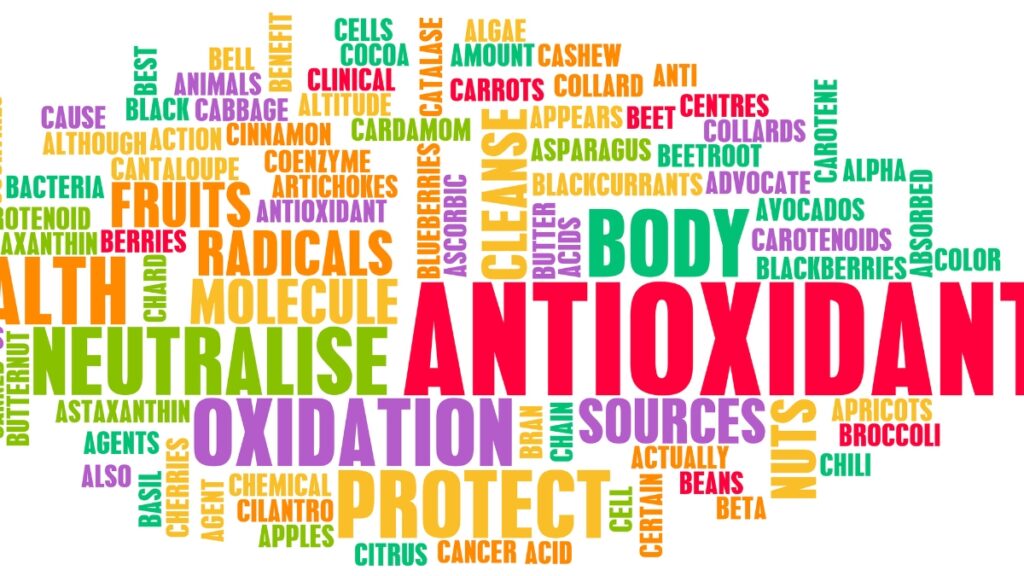
That is one reason diets rich in colorful plant foods are often linked with better long-term health. Common antioxidants include vitamin C, vitamin E, selenium, flavonoids, polyphenols, beta-carotene, and lycopene.
Also Read : Best Mindset Books
How Antioxidants Support Skin, Immunity, Brain, and Gut Health
Your body uses antioxidants in more ways than most people realize.
Skin Health and Cellular Protection
Sun exposure, pollution, and stress can all affect your skin. Antioxidants may help reduce oxidative damage linked with visible aging.
Vitamin C and vitamin E are especially popular in skincare discussions because they help support skin protection and repair.
Foods rich in antioxidants may also support:
- Skin texture
- Hydration balance
- Collagen support
- Healthy glow
That is partly why berries, almonds, green tea, and tomatoes appear in many beauty–focused diets.
Immune System Support and Cellular Defense
Your immune system creates free radicals to fight bacteria and viruses. Excess oxidative stress can gradually affect healthy immune function over time.
Antioxidants may help support normal immune function by protecting healthy cells during that process.
Antioxidant-rich foods usually provide several other helpful nutrients as well:
That nutrient combination may help support overall health and daily wellness.
Also Read : Cumin Benefits (Jeera)
Brain Function and Cognitive Health
Your brain uses a large amount of oxygen daily. This can make the body more prone to oxidative stress over time.
Some research suggests antioxidant-rich foods may help support healthy cognitive aging.
Foods commonly connected with brain-friendly eating include:
Many people also combine these foods with habits like better sleep, hydration, and stress management for overall mental wellness.
Also Read : Bed Designs
Gut Health and Digestive Balance
Your gut is home to trillions of bacteria that aid digestion and immunity.
Many antioxidant-rich foods also contain fiber and plant compounds that may support a healthier gut environment.
Foods like berries, beans, oats, leafy greens, and nuts may help support gut balance and a healthy inflammatory response at the same time.
That is one reason whole foods are linked with better long-term health.
Also Read : Horse Gram Benefits
Best Foods to Add to Your Diet
You do not need expensive powders or trendy detox drinks to get antioxidants. Many everyday foods already contain them naturally.
Modern lifestyles expose many people to ongoing stress, poor sleep, processed foods, and environmental pollutants every day.
Top Antioxidant Foods
In general, colorful plant foods contain more antioxidant compounds.
A simple rule helps:
The more natural color on your plate, the wider the antioxidant variety.
That is why balanced eating patterns matter more than chasing one “superfood.”
Budget-friendly sources of antioxidants include cabbage, beans, oats, carrots, potatoes, apples, and tea.
Healthy eating does not always require expensive superfoods. Both raw and cooked foods can provide antioxidants. In some cases, cooking may even increase the availability of certain compounds like lycopene in tomatoes.
Also Read : 22 Body Heat Hacks
Top Antioxidant Foods
Also Read : 14 Foods You Should Never Refrigerate
Best Antioxidant Drinks
Some drinks naturally contain high levels of antioxidant compounds.
Popular options include:
- Green tea
- Black tea
- Coffee
- Pomegranate juice
- Berry smoothies
- Matcha tea
- Unsweetened cocoa drinks
Water still matters most for hydration. In moderation, nutrient-rich beverages can complement a healthy and balanced eating routine.
Antioxidants by Food Color
Different food colors often contain different antioxidant compounds.
- Red-colored foods such as tomatoes and watermelon naturally provide lycopene
- Foods with an orange color, including carrots and sweet potatoes, contain beta-carotene
- Green vegetables such as spinach and kale are natural sources of lutein
- Purple fruits and vegetables like blueberries and cabbage provide anthocyanins naturally
- White foods like garlic and onions contain beneficial plant compounds too
Eating a variety of colors helps your body get a wider range of protective nutrients.
Also Read : Scrolling Overload
Should You Take Antioxidant Supplements?
This area confuses many people. You might assume more antioxidants always mean better health. However, that is not always true.
High-dose antioxidant supplements do not automatically improve health outcomes. In some cases, excessive supplementation may even create unwanted effects.
Food sources usually work better because whole foods contain:
Those nutrients work together inside the body. For example, an orange contains far more beneficial compounds than isolated vitamin C alone.
Most healthy adults benefit more from antioxidant-rich foods than mega-dose supplements.
Certain individuals may require supplements because of health conditions or nutrient gaps. A qualified healthcare provider should guide that decision based on individual needs. Some antioxidant supplements may interact with medications or medical conditions, especially in very high doses.
Also Read : Joint Pain
Possible Signs of Oxidative Stress
Signs of oxidative stress are not always easy to notice right away. However, some people may notice signs linked with poor diet quality and chronic stress.
Possible signs may include:
- Low energy
- Dull-looking skin
- Brain fog
- Frequent illness
- Slower workout recovery
- Increased inflammation
- Feeling tired despite enough sleep
These signs may also result from several unrelated health or lifestyle factors. Still, long-term lifestyle habits often play a major role in oxidative stress levels.
Also Read : Obesity
Can Too Much Oxidative Stress Affect Your Health?
Yes, long-term oxidative stress may affect multiple systems in the body.
Factors that may increase oxidative stress include:
- Smoking
- Chronic stress
- Poor sleep
- Heavy alcohol intake
- Highly processed diets
- Excessive sun exposure
- Sedentary lifestyle
At the same time, healthy habits may help your body maintain better balance.
Helpful habits include:
- Regular movement
- Balanced meals
- Better sleep quality
- Stress management
- Hydration
- Whole foods
You do not need a perfect lifestyle. Small consistent habits usually matter more than extreme routines.
Also Read : How to Improve Your Eyesight
Simple Ways to Improve Your Diet
Getting more antioxidant-rich foods does not require strict or complicated meal planning. Small upgrades work surprisingly well.
Also Read : Hair Care
Should You Eat Antioxidants Daily?
Yes, most people benefit from eating antioxidant-rich foods daily because oxidative stress happens continuously inside the body.
You do not need huge amounts. Aim for a mix of nutrient-rich foods across your daily meals.
Simple habits help most:
- Add fruit to breakfast
- Include vegetables at lunch and dinner
- Choose antioxidant-rich snacks like nuts or berries
- Drink tea or coffee in moderation
Consistency matters more than chasing extremely high antioxidant intake.
Coffee can provide antioxidants, although excess caffeine may not suit everyone.
Most people can benefit from eating a few servings of colorful fruits and vegetables daily. You do not need perfect numbers. Variety across meals usually matters more than focusing on one specific food.
Many people also enjoy antioxidant-rich foods after workouts because intense exercise can temporarily increase oxidative stress. Options like berries, smoothies, yogurt with fruit, or green tea may support recovery as part of a healthy routine.
These compounds can support wellness, but they are not guaranteed disease prevention tools.
Also Read : How to Improve Your Five Senses
Best Time to Eat Antioxidant Foods
Also Read : How to Relieve Painful Toothache
Easy Everyday Ideas
- Add berries to oatmeal
- Snack on nuts instead of chips
- Drink green tea during work breaks
- Add spinach to smoothies
- Use herbs and spices more often
- Choose dark chocolate over candy bars
- Add colorful vegetables to lunch bowls
Healthy eating habits often go hand in hand with other positive lifestyle choices, including:
- High protein snacks
- Heart healthy snacks
- Low glycemic foods
- Yoga vs exercise routines
- Healthy breakfast ideas
The goal is consistency, not perfection.
Also Read : Boredom
Simple Antioxidant Food Swaps
Small food swaps can increase antioxidant intake without changing your entire diet.
Try easy changes like:
- Berries instead of sugary desserts
- Green tea instead of soda
- Dark chocolate instead of candy bars
- Nuts instead of fried snacks
- Whole grain toast with fruit instead of packaged pastries
- Homemade smoothies instead of sugary drinks
Small changes are usually more realistic to follow consistently over time.
Natural Sources vs Processed Foods
Highly processed foods often contain fewer beneficial nutrients and more compounds linked with inflammation.
Meanwhile, whole foods naturally provide antioxidants alongside fiber and minerals.
That difference matters.
For example:
- Apples provide fiber together with naturally occurring plant-based nutrients
- Apple-flavored candy does not
Your body generally responds better to nutrient-dense foods than heavily processed alternatives.
That does not mean you can never enjoy processed snacks. Balance still matters most.
Also Read : Biohacking
Signs Your Diet May Need More Nutrient-Rich Foods
No single symptom proves antioxidant deficiency. However, some lifestyle patterns may suggest your diet lacks enough nutrient-rich foods.
You may benefit from more whole foods if you often:
- Skip fruits and vegetables
- Regularly rely on highly processed foods for most meals
- Feel low on energy
- Rely heavily on sugary snacks
- Frequently crave packaged or highly processed foods during the day
- Struggle with poor meal balance
Small food improvements can make a noticeable difference over time.
Also Read : Mindful Tech Use
Common Myths
❌ More antioxidants always mean better health.
Very high supplement doses may not help and can sometimes create risks.
❌ Only expensive superfoods contain antioxidants.
Many affordable foods contain antioxidants, including beans, oats, cabbage, and tea.
❌ Antioxidants stop aging completely.
They may help protect cells, but aging is still a natural part of life.
❌ Supplements work better than food.
Whole foods usually provide better nutritional balance.
Also Read : Anemia
Frequently Asked Questions
How do antioxidants support the body?
These compounds may help shield healthy cells from damage linked to oxidative stress.
Which foods contain the most antioxidants?
Are antioxidant supplements necessary?
Most people can get enough antioxidants through a balanced diet rich in plant foods.
Can antioxidants help your skin?
They may help support healthier skin by reducing stress caused by environmental exposure.
Do coffee and tea contain antioxidants?
Yes. Both coffee and tea naturally contain antioxidant compounds called polyphenols.
Are antioxidants good for exercise recovery?
Antioxidant-rich foods may help support recovery and overall wellness when combined with balanced nutrition and hydration.
Can antioxidants reduce oxidative stress naturally?
Yes. Antioxidant-rich foods, better sleep, stress management, regular exercise, and reducing smoking or heavy alcohol intake may help your body maintain a healthier oxidative balance naturally.
Also Read : How to Keep Your Mind Calm During Panic News
Antioxidants Work Best Alongside Healthy Habits
These nutrients may support health, but they are not magical health solutions.
Your overall lifestyle still matters most. Sleep, movement, stress management, hydration, and balanced eating all work together inside the body.
No single food can completely prevent disease or stop aging. However, consistent healthy habits may help your body function more efficiently over time. Intense exercise can temporarily increase oxidative stress, which is one reason recovery nutrition matters.
Many antioxidant-rich foods may also help support a balanced inflammatory response inside the body.
Also Read : How to Strengthen Your Nerve Naturally
Final Thoughts
Your body fights oxidative stress every day, whether you notice it or not.
Antioxidants help support that defense system naturally. The best part? You do not need extreme diets or expensive supplements to benefit. Consistent healthy habits usually matter more than short periods of perfect eating.
Simple habits often work best:
- Eat more colorful foods
- Add fruits and vegetables regularly
- Choose whole foods more often
- Stay consistent with balanced eating
Over time, those small choices may support better energy, healthier aging, and overall wellness.
The healthiest approach is usually the one you can follow comfortably long term. Nutrition research continues to change, and food responses can vary from person to person.
This content is intended for general educational purposes and should not be considered medical advice. Speak with a licensed healthcare professional for advice related to your personal health needs.
Also Read : How to Make This Summer Really Cool for You