You may carefully track rice, roti, dal and vegetables. But there is another ingredient that can change your calorie count quickly: cooking oil.
Oil is easy to underestimate because a small-looking pour can contain a meaningful amount of energy. The solution is simple: measure it, count the total used in the recipe, and divide it across the servings.
Table of Contents
How do you count cooking oil?
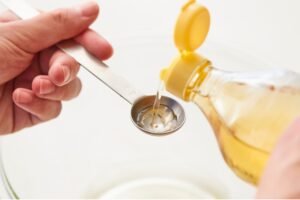
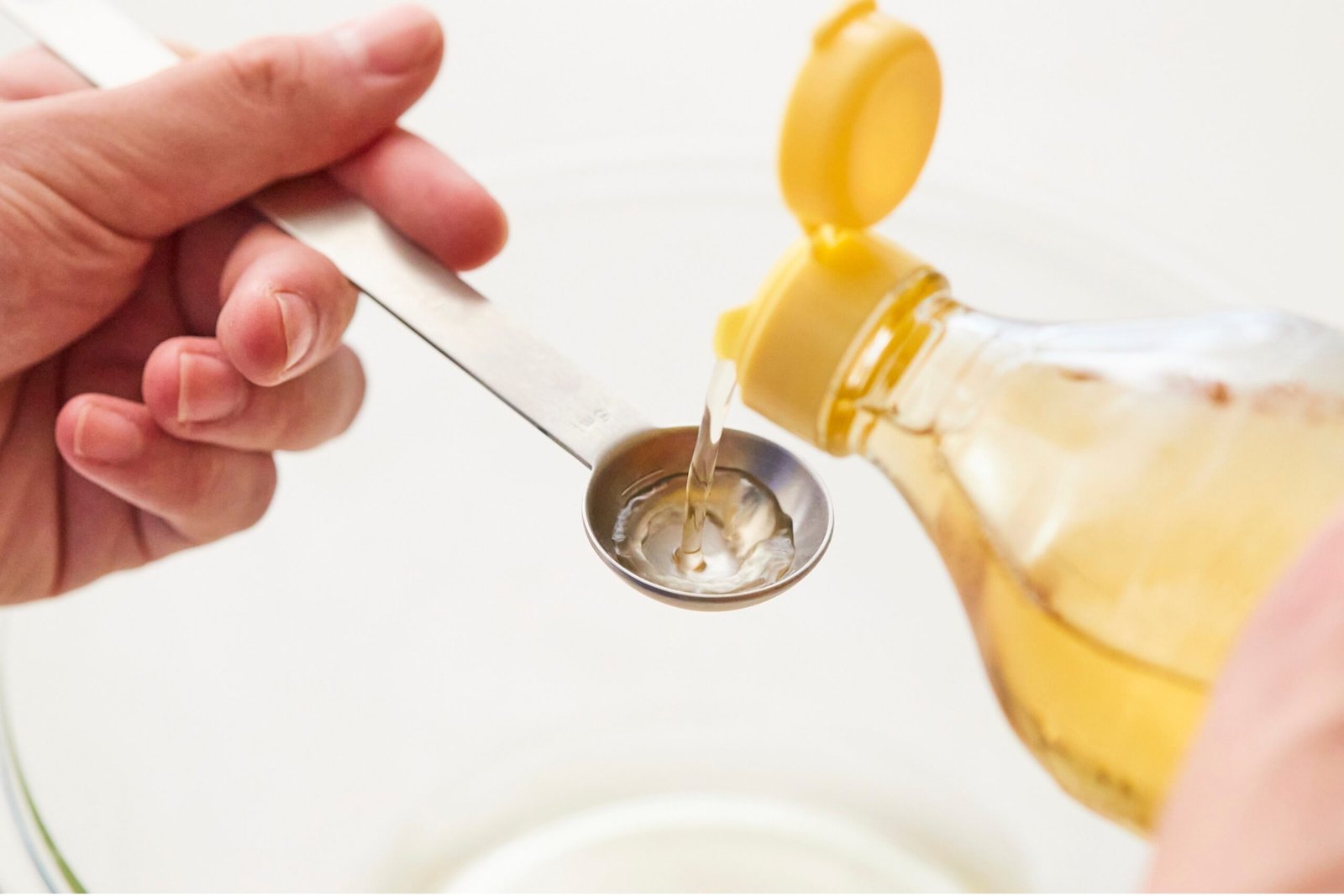
Measure the total oil added to your recipe, check its calorie value, and divide that amount by the number of servings. As a practical estimate, many common liquid oils provide around 40 calories per teaspoon and around 120 calories per tablespoon. Exact values vary slightly by oil, so use the product label or weigh the oil when you want greater accuracy.
Also Read : How Much Protein You Need Per Day
Why cooking oil matters when counting calories
Cooking oil is calorie-dense because it is almost entirely fat. Dietary fat provides about 9 calories per gram.
That does not make oil something you need to avoid. Fat is part of a balanced diet, and the type of fat matters too. WHO recommends emphasizing unsaturated fats while limiting saturated and trans fats.
For calorie tracking, the main question is simpler:
How much oil went into the food you ate?
Also Read : Piles
For everyday tracking, you can use these approximate values:
| Amount | Approximate volume | Practical calorie estimate |
|---|---|---|
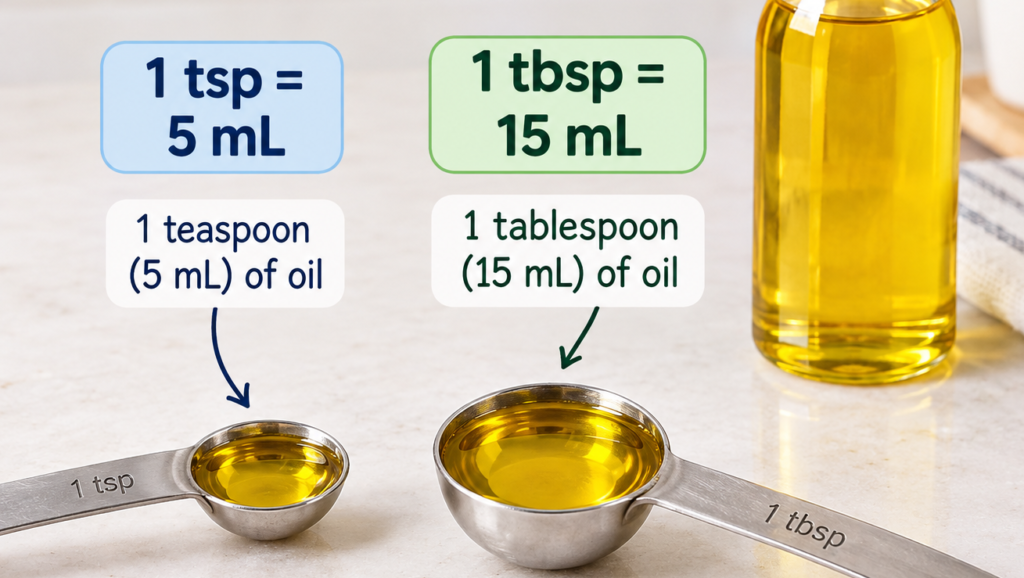
| 1 teaspoon | 5 ml | ~40 kcal |
| 2 teaspoons | 10 ml | ~80 kcal |
| 1 tablespoon | 15 ml | ~120 kcal |
| 2 tablespoons | 30 ml | ~240 kcal |
| 3 tablespoons | 45 ml | ~360 kcal |
These numbers are estimates. Oil density differs slightly between products.
For example, USDA FoodData Central data give about 119 calories for 13.5 g of olive oil and about 124 calories for 14 g of canola oil per tablespoon.
If your oil bottle provides nutrition information per 100 g or per serving, use that information for more precise tracking.
Teaspoon versus tablespoon
One standard tablespoon equals three teaspoons.
That difference matters.
If you intended to use one teaspoon but poured one tablespoon, you used about three times as much oil.
For this reason, measuring spoons are useful when you are learning how much oil you actually use.
Also Read : 8 Mulethi Wonders
Also Read : Gut Bacteria
How to count cooking oil in a homemade recipe
The easiest method is to calculate the oil for the whole recipe first.
Step 1: Measure every addition
Suppose you make a vegetable curry.
You use:
- 1 tablespoon oil for the onions
- 1 teaspoon oil later
- 1 teaspoon oil while finishing
Your total is:
1 tablespoon + 2 teaspoons
Since 1 tablespoon equals 3 teaspoons, that is:
5 teaspoons of oil
At roughly 40 calories per teaspoon, the recipe contains about:
200 calories from oil.
Also Read : Shilajit
Step 2: Count the final servings
Suppose the curry provides five servings.
Then:
200 ÷ 5 = 40 calories from oil per serving
You still need to calculate the calories from the vegetables, onion, tomato and other ingredients.
Step 3: Count oil added at every stage
Do not forget:
- tadka
- sautéing
- finishing oil
- oil used for roasting or frying
- any second addition during cooking
The total matters more than when you added it.
Also Read : How to Improve Your Memory & Focus
How to count oil in common Indian dishes
Indian recipes often use oil in different ways. The same calculation works for most of them.
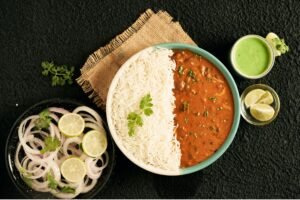
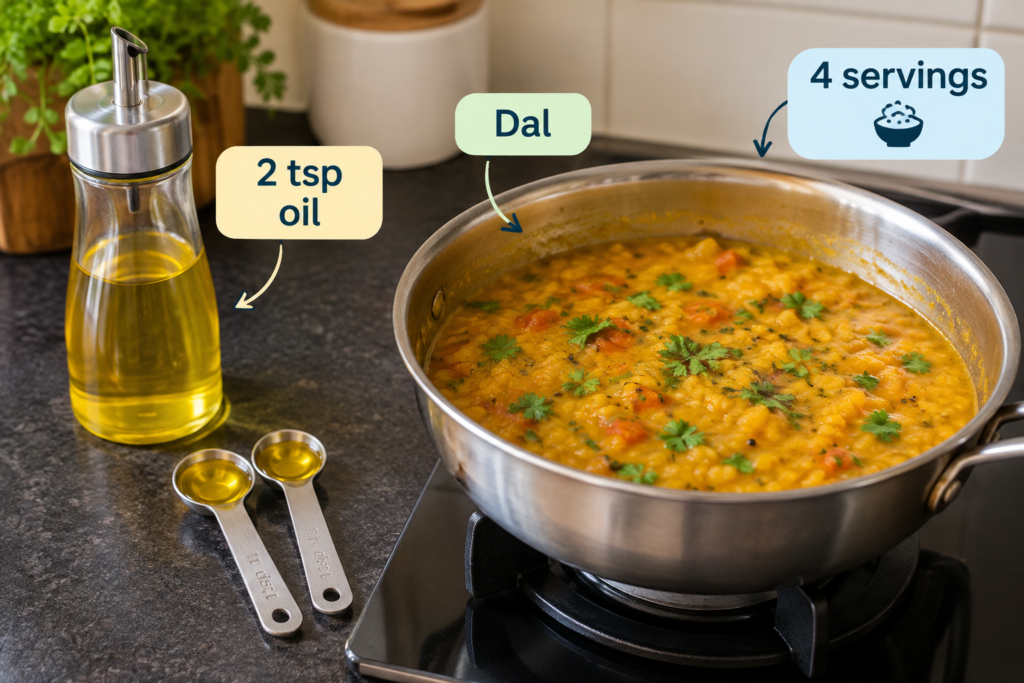
Dal and tadka
Sabzi
Suppose your vegetable sabzi uses 1 tablespoon of oil and makes three servings.
Using the practical estimate of 120 calories per tablespoon:
120 ÷ 3 = 40 calories from oil per serving
This is often easier than trying to estimate how much oil is sitting on each portion.
Curry or gravy
Curry may contain oil at several stages.
For example:
That gives you five teaspoons in total.
For a five-serving curry, the oil contribution works out to about:
40 calories per serving
This method is particularly useful when you cook the same family recipe repeatedly.
Also Read : Itching Relief
Also Read : Mental Health
Shallow frying
Shallow frying needs a little more caution. You may add two tablespoons of oil to the pan, but you may not eat all of it. Some can remain in the pan.
For everyday tracking, recording the amount added gives you a consistent estimate. If you prepare the same recipe regularly, you can weigh the oil before and after cooking to estimate how much left the cooking vessel.
That still remains an estimate because some oil may stay on the pan or food.
Also Read : Iron Deficiency
Deep frying
Deep frying is harder to calculate accurately. The amount of oil poured into the kadai is not automatically the amount consumed.
Some oil remains in the vessel, while some stays on or in the food. The amount retained can vary with the food and cooking conditions.
There is no single absorption percentage that accurately describes every fried recipe. For occasional tracking, use a consistent method rather than pretending you know the exact amount absorbed.
If fried foods are a regular part of your diet, weighing the oil before and after cooking can provide a more useful estimate.
Also Read : Biohacking
What if the recipe says “add enough oil”?
2 tablespoons for four servings
You can then save that recipe with its measured oil amount. If you change the recipe, update the calculation.
Over time, you will build a more reliable record of your regular meals.
Also Read : Meditation
Does all the oil you add get eaten?
Not always. Some oil can remain in a pan, kadai or cooking vessel. Some may be left behind when food is transferred or served.
This creates an important distinction:
Oil added to a recipe ≠ necessarily oil consumed.
However, measuring the exact amount eaten at home is often impractical.
For regular calorie tracking, counting the amount added is a simple and consistent method. It may slightly overestimate intake when noticeable oil remains behind.
For a repeat recipe, you can make the estimate more precise by weighing the oil before and after cooking. Avoid treating the result as exact. Homemade cooking naturally involves some measurement variation.
Also Read : Morning Rituals
How cooking oil fits your daily fat intake
Cooking oil is only one part of your total fat intake.
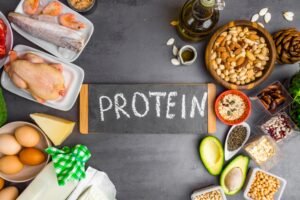
Fat also comes naturally from foods such as:
ICMR-NIN’s Dietary Guidelines for Indians 2024 describe fats added during cooking or serving as visible fats, while fats naturally present in foods are described separately.
The same guideline says visible fat should be limited according to energy needs and gives a broad range of 20–50 g per person per day, depending on energy requirement and physiological status. It gives approximately 27–30 g of visible fat for a 2,000-kcal diet as an example.
That is guidance for visible fat, not a universal personal prescription. Your actual dietary needs depend on your overall diet and individual circumstances.
WHO also notes that the appropriate composition of a healthy diet varies with factors such as age, sex, lifestyle, physical activity and cultural context.
Also Read : Anemia
Also Read : How to Keep Your Mind Calm During Panic News
How oil fits your calorie and macro targets
If you use a calorie and macro calculator, you may already have targets for:
- daily protein requirement
- daily carbohydrate requirement
- daily fat requirement
- daily fiber requirement
- daily macronutrient needs
Oil mainly contributes to the fat and calorie portions of that calculation.
For example, if your homemade curry contains about 200 calories from oil, those calories need to be included alongside the calories from its other ingredients.
Do not count the same oil twice.
This can happen when a recipe’s nutrition information already includes oil and you manually add the oil again in your food tracker.
Also Read : Fiber
Cooking oil and calories for weight loss
If you are working toward calories for weight loss, measuring oil can make homemade meals easier to track.
For example, reducing a recipe from three tablespoons to two removes roughly 120 calories from the whole recipe, using the practical estimate above. If the recipe makes four servings, that is about:
30 fewer calories per serving.
That change does not guarantee weight loss. Your overall energy intake, activity and individual circumstances matter. A calorie target should also be individualized rather than copied from another person’s diet.
Also Read : How to Strengthen Your Nerves
Cooking oil for weight maintenance or weight gain
The same tracking method works when your goal is calories for weight maintenance or calories for weight gain.
For maintenance, measuring oil can help you keep familiar recipes consistent.
For weight gain, oil can increase meal energy without adding much food volume. However, it should not crowd out protein-rich foods, vegetables, fruits, pulses and other nutrient-dense foods.
If you have unexplained weight loss, poor appetite or a medical condition affecting nutrition, speak with a qualified healthcare professional or registered dietitian.
Also Read : Fatty Liver
Common mistakes when counting cooking oil
Forgetting the tadka
The oil used for tempering still counts.
Counting only the first addition
If you add more oil later, include it.
Estimating by eye
A “small pour” is not a reliable measurement.
Use a teaspoon, tablespoon or kitchen scale.
Confusing oil with total dietary fat
Your total fat intake also includes fats from foods such as nuts, seeds, dairy and eggs.
Assuming a healthier oil has no calories
Different oils have different fatty-acid profiles, but oil remains a concentrated source of energy.
WHO recommends choosing predominantly unsaturated fats and limiting saturated and trans fats.
Counting the same oil twice
Check whether your recipe database has already included the oil before adding it manually.
Also Read : Sodium Potassium
Also Read : Antioxidants
A simple system for your kitchen
You do not need to weigh every ingredient forever. Start with the recipes you cook most often.
- Measure the oil.
- Record the total amount.
- Calculate the recipe’s oil calories.
- Divide by the number of servings.
- Save the recipe for future meals.
Once you know your usual dal, sabzi or curry measurements, tracking becomes much faster.
Also Read : Immunity
When should you seek professional advice?
General calorie tracking is different from managing a medical condition. If you need a medically tailored diet, speak with a qualified healthcare professional or registered dietitian. This is especially relevant when pregnancy, breastfeeding, chronic disease, an eating disorder or another condition affects your nutritional needs.
Also Read : Magnesium
Key Takeaways
- Measure cooking oil instead of estimating it by eye.
- Around 40 calories per teaspoon and 120 calories per tablespoon are useful tracking estimates.
- Exact values vary slightly by oil and by the weight of the measured amount.
- Count oil added at every stage, including tadka and finishing oil.
- For a recipe, divide total oil calories by the number of servings.
- Oil is only one part of your total dietary fat intake.
- ICMR-NIN recommends limiting visible fats according to individual energy needs rather than using one universal amount.
- Consistent measurement is more useful than pretending homemade recipes can be calculated perfectly.
Also Read : Minerals
Conclusion
Counting cooking oil becomes much easier once you stop guessing.
Measure the oil you add, total it across the recipe, and divide it by the servings you actually prepare.
That gives you a practical estimate for homemade dal, sabzi, curry and other Indian dishes.
You can then fit that estimate into your overall calorie and macro targets, whether you are working toward weight loss, weight maintenance or weight gain.
The goal is not to remove oil from your kitchen. It is to know how much you are using.
Also Read : Bones
FAQ
How many calories are in one teaspoon of cooking oil?
A teaspoon of many common liquid oils provides roughly 40 calories. The exact amount depends on the oil and its weight.
How many calories are in one tablespoon of cooking oil?
A practical estimate is about 120 calories per tablespoon. USDA-derived data show small differences between oils, so use the product label or grams for greater accuracy.
Should I count oil used for tadka?
Yes. Include tadka oil in the recipe’s total oil, then divide that total across the final servings.
What if some oil remains in the pan?
You can either count all added oil for a simple, consistent estimate or measure oil before and after cooking for a more detailed estimate. The amount actually consumed can be difficult to determine precisely.
Does cooking oil count toward my daily fat intake?
How much cooking oil should I eat per day?
There is no single amount suitable for everyone. ICMR-NIN’s 2024 guidance gives visible-fat limits based on energy needs and physiological status, rather than one universal target.
Also Read : Iodine