
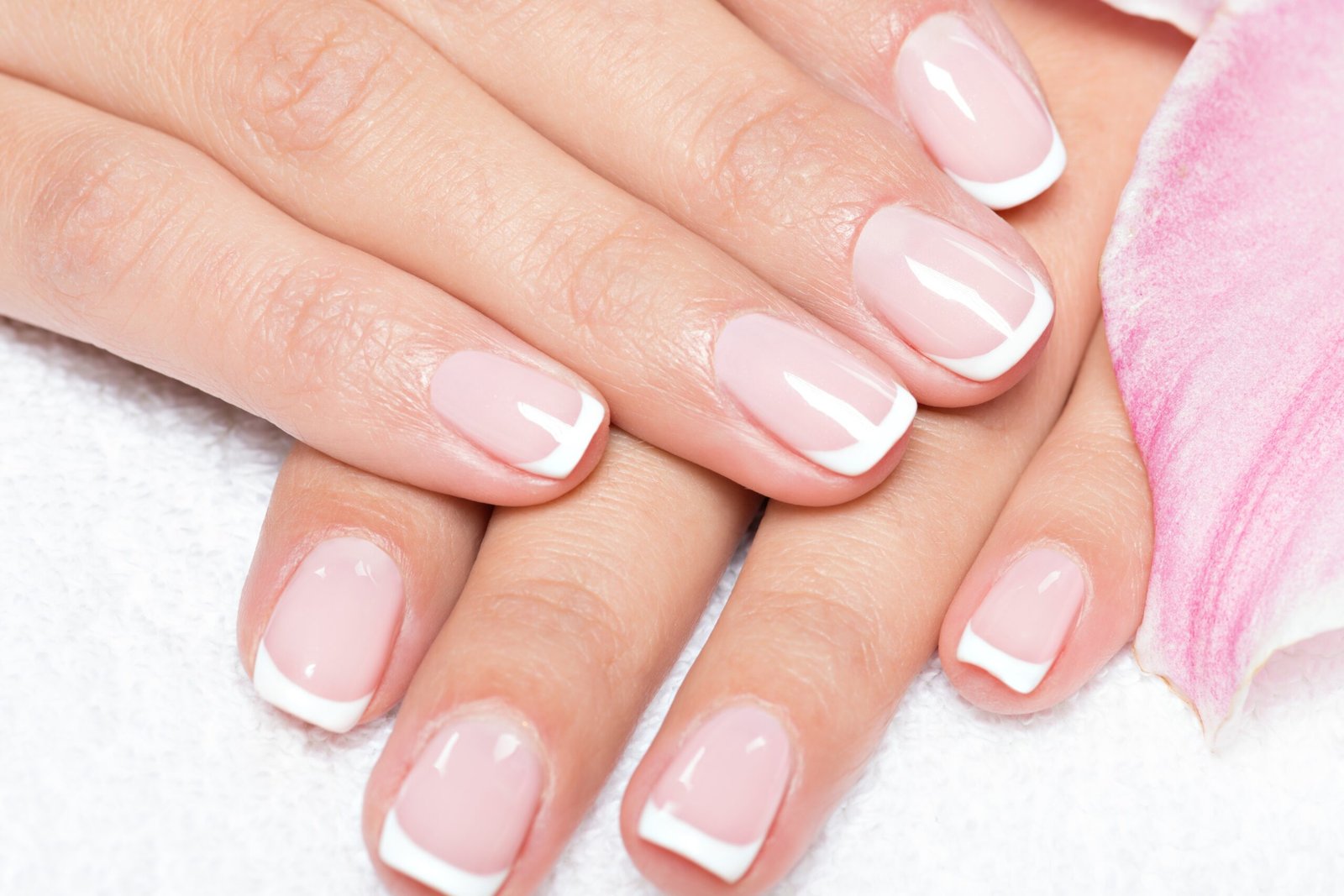
Nails can change how your hands look, but healthy nails need more than polish. Daily washing, cleaning products, dry air, biting, and rough filing can all take a toll. The positive part is that small daily habits can bring noticeable results.
You do not need an expensive routine either. A few smart steps can help your nails stay clean, smooth, flexible, and strong. Here are practical ways to care for your nails while keeping your hands soft and healthy. This guide focuses mainly on fingernail care and the skin around your nails.
Table of Contents
Nails Need Daily Care
Your fingertips face small stresses throughout the day. Therefore, give them a little care during normal routines. After washing your hands, dry them well. Then apply hand cream to your fingers and cuticles. This helps reduce dryness and may reduce splitting. Dermatologists also recommend keeping them clean and dry. At night, you can use a thicker cream or a small amount of petroleum jelly. This simple step works well when your hands feel rough.
Also Read : Herbal Tea
Your Simple Morning-to-Night Routine
Wash your hands gently and dry them well. Apply hand cream afterward.
During the day:
Reapply moisturizer after washing your hands. Wear gloves during wet chores.
After chores:
Dry your hands fully and moisturize your fingers and cuticles.
Night:
Apply a thicker hand cream or petroleum jelly before bed.
This simple routine covers the daily care your hands and nails need.
Also Read : Vinegar Wonders
Know the Basic Parts
Each part has a different job.
- Nail plate: The hard part you see and trim.
- Nail bed: The soft tissue located directly beneath the visible nail.
- Cuticle: The thin skin that seals the gap around the nail and helps protect the nail matrix.
- Lunula: The pale half-moon near the nail base.
- Nail root: The area at the nail base where new nail cells form.
Knowing these parts helps you care for them more gently. For example, cutting the cuticle can remove a natural protective barrier.
Also Read : Spice Secrets
Trim and File Nails the Right Way
Good trimming makes nails look neat and reduces annoying snags. However, cutting them too aggressively can cause problems. Trim fingernails nearly straight across. Then smooth rough corners with a file. Move the nail file smoothly in a single direction. This helps reduce unnecessary nail damage.
Also, avoid cutting deeply into the sides. Never use sharp objects to scrape underneath your nails.
If they catch on clothes often, shorten them slightly. A practical length is usually easier to maintain.
Also Read : Ultimate Time for Meal
Protect Your Nails from Water and Chemicals
Repeated exposure to water, especially frequent wetting and drying, can contribute to nail splitting and brittleness. Cleaning products can also irritate your hands.
Wear household gloves when washing dishes or cleaning. Choose a comfortable fit, and remove them if your hands become sweaty. You can also protect your skin by applying hand cream after chores. This small habit helps your hands feel less dry.
Try this simple rule:
Water + chemicals + long exposure = protect your hands.
Also Read : 11 Healthy Fruits
Protect Your Hands From Sun Damage
Also Read : Raisins
Leave Your Cuticles Alone
Cuticles are not useless bits of skin. They help protect the nail area from germs. Therefore, avoid cutting or aggressively pushing them back. Damaging this protective barrier can increase the chance of infection.
Instead, soften dry cuticles with moisturizer or cuticle oil. Gently massage the product around the nail. Do not use sharp tools to remove cuticle tissue. If a hangnail appears, do not pull or bite it. Carefully trim the loose piece with clean nail scissors or clippers.
Also Read : Trans Fats Myths
Nails: Manicure Mistakes to Avoid
A manicure should improve their appearance without causing damage.
Watch out for these common mistakes:
- Cutting the cuticles: This can remove a protective barrier.
- Filing back and forth: This may weaken the nail.
- Peeling polish: Picking can remove parts of the nail surface.
- Using dirty tools: Poor tool hygiene can spread germs.
- Filing too aggressively: Excess filing can thin the nail.
- Ignoring damaged nails: Covering a problem repeatedly can delay proper evaluation.
Therefore, choose gentle care over aggressive grooming.
Also Read : Migraine
Apply and Remove Nail Polish Gently
You can enjoy nail polish without making it the center of your nail routine.
Before applying polish:
- Start with clean, dry fingertips.
- Avoid cutting or pushing the cuticles.
- Use several light applications rather than one heavy coating.
- Wait until one layer dries completely before applying the next.
When removing polish, avoid scraping or peeling it away. Choose a remover that does not leave them excessively dry, and moisturize afterward. If you use gel polish, follow proper removal methods rather than picking or scraping it off. Repeated gel treatments can contribute to brittleness, peeling, and cracking.
Also Read : How to Cure Piles
Give Brittle Ones Extra Support
Peeling or splitting nails often need gentler treatment. Start by reducing habits that stress the nail plate.
For example, avoid using your nails to open packages or scratch hard surfaces. Also, stop picking at chipped polish. These actions can cause cracks and lifting.
Moisturize regularly, especially after washing. Maintain a practical length that makes everyday care easier. If brittleness continues despite better care, look beyond cosmetics. Persistent nail changes can sometimes have an underlying cause.
Also Read : Shilajit
What to Avoid for Healthier Nails
Try to avoid these habits when caring for your nails:
- Limit prolonged or repeated water exposure, especially during wet chores.
- Avoid frequent or prolonged exposure to nail-polish removers if they dry or irritate your nails or surrounding skin.
- Do not peel off gel polish from the nail surface.
- Avoid using nails as tools to open, scrape, or pry things.
- Do not ignore persistent nail changes or sudden unusual symptoms.
- Avoid sharing nail tools unless they receive proper cleaning.
These simple limits can reduce avoidable nail damage.
Also Read : Mustard Seeds
Nails Troubleshooting Guide
Different problems call for different habits.
| Nail Problem | What You Can Try |
|---|---|
| Dry nails | Moisturize nails and cuticles often. |
| Splitting | Keep nails shorter and reduce water exposure. |
| Peeling | Avoid picking, harsh filing, and repeated treatments. |
| Brittle nails | Protect them from chemicals and moisturize regularly. |
| Rough edges | Smooth them gently with a file. |
| Nail ridges | Vertical ridges are often harmless. Seek evaluation for new horizontal ridges, sudden changes, or ridges with other unusual symptoms. |
| Persistent or unexplained changes | Seek professional evaluation. |
If a problem continues despite better care, do not keep covering it with polish. Lasting changes in your nails should receive professional attention.
Also Read : Elaichi Benefits (Cardamom)
Choose Food That Supports Healthy Nails
Healthy nail growth depends on overall nutrition, nail care, and your general health. New nail cells form in the nail matrix, so visible changes can take time to appear.
You cannot make nails grow dramatically faster overnight. Instead, focus on steady nutrition and gentle nail care.
Adequate protein, iron, zinc, and other nutrients help support normal growth and body functions. However, supplements are not a shortcut when your diet already meets your needs.
Aim for balanced meals containing protein, vegetables, fruits, whole grains, and healthy fats. Foods such as eggs, lentils, almonds, yogurt, fish, and seeds can all fit into a varied diet. These foods provide nutrients that support normal body functions and tissue growth.
Do not start supplements simply because your nails look weak. Some nail changes need proper evaluation first. Biotin supplements are often marketed for stronger nails, but evidence for routine supplementation is limited when you are not deficient.
A balanced meal pattern usually makes more sense than chasing one “miracle” nutrient.
Also Read : Almonds vs Pistachios
Be Careful With Gel and Artificial Enhancements
Gel polish, acrylics, extensions, and dip treatments can all affect natural nails. Acrylic application often requires filing the natural nail surface. Repeated touch-ups and removal can leave nails thin or brittle. Therefore, reserve artificial enhancements for occasions when you really want them. Repeated gel treatments may leave nails fragile, flaky, or prone to splits.
Consider these habits:
- Save artificial nails for special occasions.
- Give your natural nails breaks between treatments to reduce repeated filing, removal, and chemical exposure.
- Never peel gel polish away yourself.
- Choose a clean salon with properly disinfected tools.
- Request that your manicurist leave the cuticles untouched.
- Protect the exposed skin on your hands with broad-spectrum SPF 30 or higher sunscreen before gel curing, or consider dark, opaque fingerless gloves.
Before booking a manicure, look at the salon’s tools and work area. Avoid salons that reuse disposable items or fail to properly clean and disinfect reusable tools between clients. Also, avoid services that aggressively cut or push your cuticles. If the salon looks unhygienic, choose another place.
If your nails already look damaged, covering them may hide the problem rather than solve it.
Also Read : Biohacking
Stop Biting and Picking
Nail biting can damage both the nail and nearby skin. It can also make your fingers sore. Instead of relying only on willpower, change the habit around the trigger.
Try these simple swaps:
- Keep nails neatly trimmed.
- Apply cuticle oil when you feel like picking.
- Give your hands something to do when stress triggers the habit.
- Notice when boredom, stress, or another trigger makes you want to bite or pick.
- Use a bitter-tasting nail product if it helps you stop.
Small changes become easier when you repeat them consistently. When the urge appears, delay the habit for a few minutes and use a substitute activity instead.
Also Read : Mindful Tech Use
Choose a Nail Shape That Fits You
Your nail shape can affect both appearance and durability.
- Round: Works well for shorter nails and helps reduce snagging.
- Oval: Gives a soft look while keeping good length.
- Square: Looks neat but may catch more easily at the corners.
- Squoval: Features a flat tip with softly curved corners.
If your nails break often, choose shorter, rounded edges for easier upkeep.
Also Read : Tejpatta Benefits (Indian Bay Leaf)
Also Read : How to Strengthen Your Nerves
Watch for Unusual Nail Changes
Changes in your nails may occasionally reflect underlying health issues. However, one change does not automatically mean something serious.
Watch for unusual changes that appear suddenly or remain over time:
- Color
- Shape
- Texture
- Thickness
- Growth
- Nail separation
- Surrounding skin
- A dark line beneath a nail that appears or changes
Thickened, crumbly, or persistently discolored nails can also occur with fungal infections. Because several nail conditions can look similar, get a proper evaluation instead of assuming the cause.
A new or changing dark streak should be evaluated promptly by a dermatologist, even if you have no other symptoms. For example, spoon-shaped nails can occur with iron-deficiency anemia. Other nail changes can occur with infections or certain health conditions.
Therefore, do not diagnose yourself from a nail photo. If a nail change is unexplained, persistent, painful, spreading, or accompanied by redness, swelling, or nail lifting, seek professional evaluation.
Pain, redness, swelling, warmth, pus, or increasing tenderness around a nail can also signal an infection and should be evaluated if they persist or worsen.
Also Read : Tamarind Benefits
Pretty and Healthy are Not Always the Same
Also Read : Fatty Liver
A Simple Weekly Routine
You can keep your routine simple without buying many products.
Once a week:
- Check each nail for cracks or unusual changes.
- Trim rough or overly long nails.
- Smooth snags with a nail file.
- Wash and dry your hands well.
- Apply moisturizer to hands and cuticles.
- Clean and disinfect your nail tools regularly.
If you use gel polish frequently, consider taking one- to two-week or longer breaks between treatments and moisturize your nails during the break. Also, avoid peeling old polish away.
This routine takes only a few minutes and can help you spot small problems early while reducing avoidable nail damage.
Also Read : How to Make This Summer Really Cool for You
Also Read : El Nino Explained
A Budget-Friendly Routine
You do not need a shelf full of nail products.
Basic routine:
- Mild soap
- Simple hand cream
- Petroleum jelly
- Nail clipper
- Nail file
- Clean nail scissors
Use hand cream after washing. Apply petroleum jelly to dry cuticles before bed. Keep your tools clean, disinfect them regularly, and replace damaged ones. Buy additional products only when a particular need arises. For everyday care, consistency matters more than a large product collection.
Also Read : Sodium Potassium
5 Common Myths to Ignore
Myth: Nails need to “breathe.”
Nails do not need to “breathe” like lungs. However, taking breaks from polish can reduce repeated exposure to removers and other treatments.
Myth: Cutting cuticles makes nails healthier.
Actually, cuticles provide protection around the nail.
Myth: Nail hardener is always better for weak nails.
Some nail hardeners may help certain brittle nails, but they are not necessary for everyone. If a product makes your nails feel excessively hard or brittle, stop using it.
Myth: A cheap nail product is always harmless.
Product quality and your skin’s reaction both matter.
Myth: Every nail change needs a supplement.
Nail changes can have many causes. Therefore, find the cause before treating it.
Also Read : Antioxidants
Also Read : Fiber
Nails: What Matters Most?
If you only remember five things, start here:
- Keep nails clean and dry.
- Moisturize your hands and cuticles regularly.
- Avoid cutting your cuticles.
- Protect your hands from chemicals and repeated water exposure.
- Check bare nails for unusual changes.
These habits matter more than buying many specialized nail products. Once these basics become routine, you can add cosmetic care if you enjoy it.
Also Read : Magnesium
Hand Care vs. Nail Care
Hand care mainly focuses on keeping your skin soft and protected.
Hand care includes:
- Moisturizing after washing
- Using sunscreen outdoors
- Wearing gloves during chores
- Protecting skin from harsh chemicals
Nail care focuses on:
- Trimming and filing
- Protecting the nail plate
- Keeping cuticles moisturized
- Avoiding biting, picking, and peeling
Both routines work together, but they serve different needs.
Also Read : Minerals
Also Read : Carbohydrates
FAQs
How Can You Make Your Nails Look Healthier?
Keep them clean, moisturized, neatly trimmed, and protected from harsh chemicals. Also, avoid biting and picking.
How Often Should You Trim Your Nails?
Trim them whenever they become too long or start catching on things. Your growth rate determines the exact timing.
Is Cuticle Oil Useful for Dry Nails?
It can help moisturize dry cuticles and surrounding skin. Petroleum jelly is another simple option.
Are Gel Manicures Safe?
They can be used, but repeated treatments may cause brittleness, peeling, or cracking. Taking breaks can help reduce damage.
What Should You Do About Sudden Nail Changes?
Do not assume the cause. If an unexplained change persists, consult a healthcare professional.
Can Your Diet Affect Nail Health?
Also Read : Bones
Final Thoughts
Beautiful hands do not require a complicated beauty routine. Your nails often benefit most from simple, repeated habits. Moisturize them. Protect them. Trim them gently. Leave your cuticles alone. Notice anything unusual and take it seriously.
Your hands work hard every day. A few minutes of care can help them stay comfortable, healthy, and naturally attractive.
Also Read : Iodine